The Quiet Resistance Inside Public Schools
Book bans are no longer just a library issue. They have become a test of whether public education will remain a place for curiosity, debate, and civic trust. In Saint Johns County, where controversy over challenged books has spilled into school board meetings, classrooms, and local protests, public schools are emerging as something larger than institutions of instruction. They are becoming a bulwark — a line of defense against political pressure that seeks to narrow what young people are allowed to read.
That matters because book bans rarely arrive as dramatic censorship campaigns. More often, they come wrapped in the language of “concern,” “protection,” or “community standards.” But the effect is the same: fewer stories, fewer perspectives, and fewer chances for students to encounter ideas that unsettle them in useful ways. In that climate, public schools are doing something quietly radical. They are refusing to surrender the public square of the mind.
Protest as a Civic Habit, Not a Nuisance
The protests that have unfolded in Saint Johns County and similar communities are easy to misread as simple culture-war theater. They are not. They are evidence that people still believe schools belong to the public, not to a narrow faction with the loudest microphone.
Parents, teachers, students, and librarians have turned out to challenge removals, question review processes, and demand transparency. Sometimes they carry signs. Sometimes they speak at county meetings with trembling voices and carefully prepared remarks. Either way, protest is doing what it is supposed to do in a democracy: forcing power to explain itself.
These demonstrations also reveal something encouraging. The public has not grown indifferent. Even when officials try to frame book challenges as procedural housekeeping, the community understands the stakes. A ban on a novel today can become a ban on a worldview tomorrow.
When people protest book bans, they are not merely defending a shelf. They are defending the right to think in public.
County Politics and the Machinery of Controversy
County-level politics is where many of these battles are won or lost. That is especially true in places like Saint Johns, where school board decisions can become proxies for broader partisan conflict. A county meeting about books can quickly become a stage for national talking points, with local families caught in the middle.
This is what makes book bans so politically potent: they rely on controversy. A few loudly objecting voices can create the impression of widespread consensus, even when the broader county may be far more divided — or far less interested — than the headline suggests. The machinery of controversy thrives on repetition, outrage, and ambiguity. It turns literature into evidence in a moral trial.
Yet county politics also offers an opening. Because it is local, it remains accessible. Residents can attend meetings. Teachers can speak from experience. Students can explain what a book meant to them. The process may be exhausting, but it is not opaque. That is why public schools matter so much here: they are one of the few institutions where local people can still contest power face to face.
Why Public Schools Matter More Than Ever
Public schools are not perfect shields. They are vulnerable to politics, budget pressure, and culture-war escalation. But they remain one of the strongest institutions for preserving pluralism in civic life. A public school library does not exist to mirror one family’s values back to itself. It exists to serve many families at once — including those with different histories, beliefs, and fears.
That mission is deeply political, even when it looks administrative.
Public schools defend against book bans in several important ways:
- They normalize disagreement by exposing students to multiple viewpoints.
- They protect access to books that challenge assumptions and widen empathy.
- They create oversight through transparent review processes instead of secret removal.
- They anchor civic life by making education a shared public responsibility.
- They model restraint by refusing to turn every discomfort into a prohibition.
The deeper argument is simple: students do not become resilient citizens by reading only what flatters them. They grow by encountering complexity. Public schools understand that better than any slogan can.
Saint Johns and the Meaning of Local Courage
Saint Johns has become part of a larger national story, but local courage still matters most. Every time a teacher recommends a challenged book, every time a parent speaks against censorship, every time a student asks why a story disappeared, the public school system proves it is more than a bureaucracy. It is a democratic practice.
There is something hopeful in that. Not naive, not sentimental — hopeful in the hard sense. The sense that ordinary people, showing up again and again, can slow the spread of fear-based politics. They can insist that education is not supposed to be sanitized into obedience.
The controversy over book bans will not disappear soon. But neither will the people resisting them. And as long as public schools continue to stand with students’ right to read, they will remain one of the most important guardians of civic freedom we have.

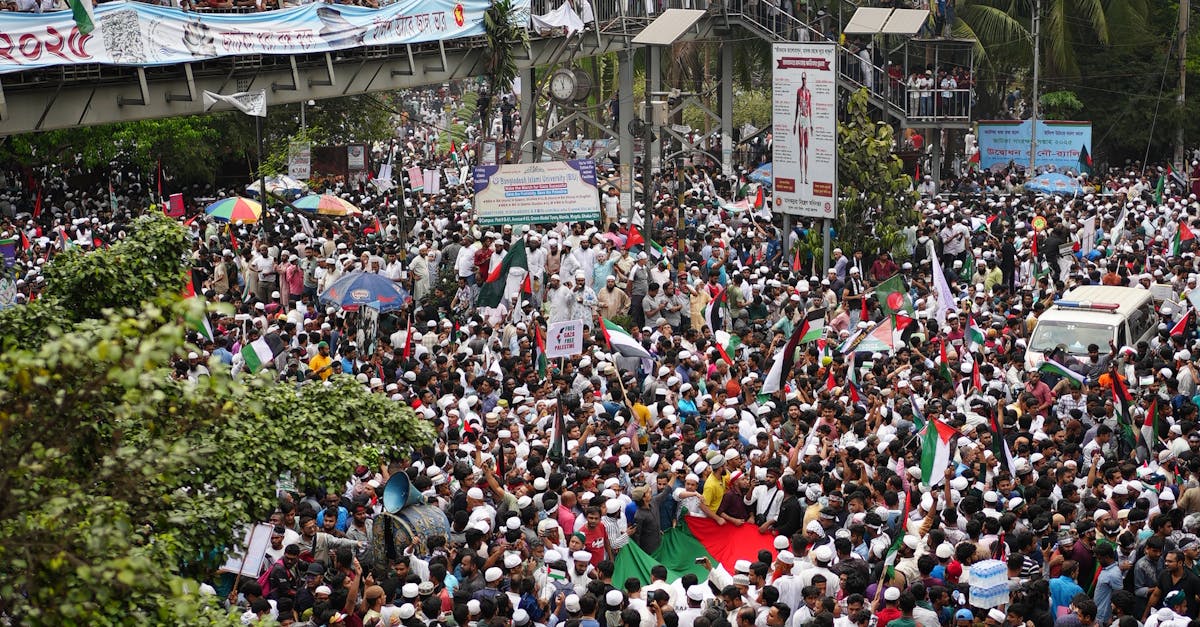
This Photo was taken by Monirul Islam on Pexels.
About The Author

Wow, this really hits home. It’s so inspiring to see public schools standing strong against these book bans and political pressures. Schools should be a safe space for curiosity, debate, and learning about different perspectives. It’s like a quiet resistance, but so powerful. We need to support these educators and students fighting for their right to explore and grow. Education isn’t just about books, it’s about mindsets and trust in the process. Keep going, you’re shaping a future where free thought and civics thrive!
Wow, this really hits close to home. I feel like book bans and all that controversy are a sign of how much public schools are more than just places to learn facts anymore. They’re like the last frontiers for free thought, debate, and honestly, trust in the system. It’s like a quiet resistance, you know? Kids and teachers trying
Wow, who knew that public schools were the new frontlines in the battle for free thought? Next thing you know, books will be smuggling in secret messages like in spy movies. 😂 Honestly though, it’s like trying to protect a library from a swarm of bees—chaotic but kinda heroic. Also, I wonder if they’ll start handing out capes to teachers, because fighting off book bans is definitely a superpower! 🦸♂️📚 Keep fighting the good fight, schools!
Wow, this article really hits home. I never thought about how book bans go beyond just the library—they’re actually testing if schools can stay true to their role as places for curiosity and open dialogue. I guess I kinda took for granted that our schools are safe spaces for debates and different ideas, but it seems like there’s a bigger fight happening. Sorry if I hadn’t paid enough attention before, but I realize now how important it is to support our educators and students in maintaining that environment. We gotta stand