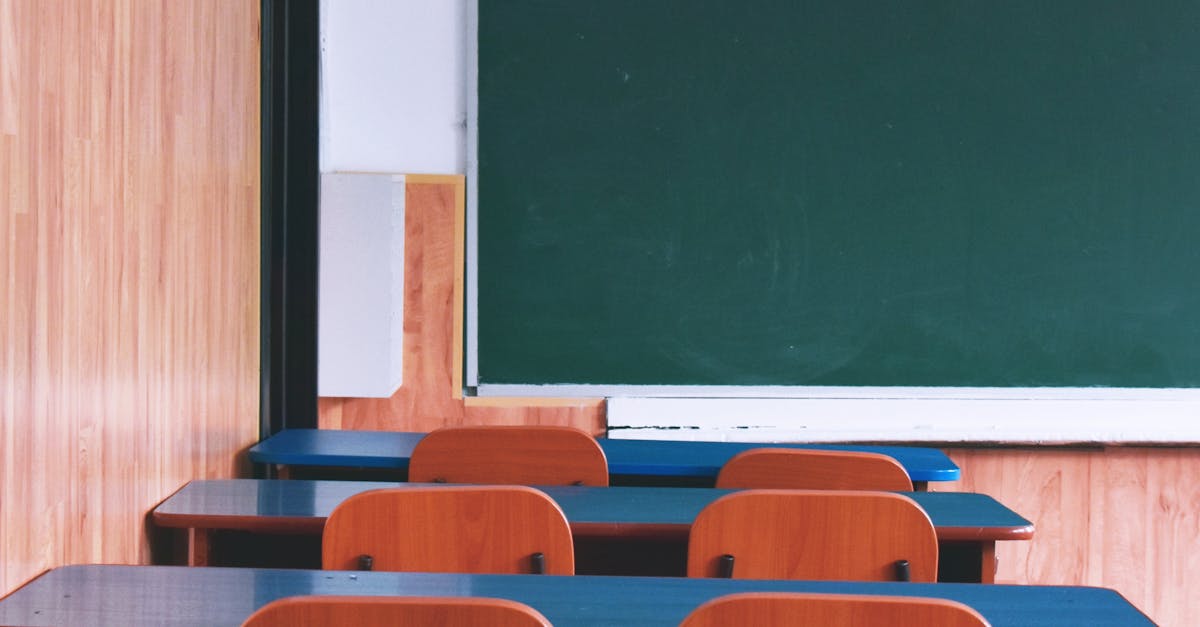
Photo by Diana ✨
School board debates often feel like local affairs, tucked away in community centers or streamed quietly online. Yet, these discussions hold immense power in shaping the educational landscape and the culture of a community. In places like Duval County in North Florida, recent debates around book bans have ignited passionate conversations that reverberate far beyond the school walls.
The Rising Tide of Book Bans in North Florida
Across many school districts in North Florida, including Duval County, boards have been grappling with what materials students should or shouldn’t access. The push for book bans typically centers on concerns over content deemed inappropriate by certain community members—ranging from themes of race and sexuality to political viewpoints. These bans are often justified as protecting children, but critics argue they limit exposure to diverse ideas.
Duval County has become a key battleground in this discussion, reflecting broader national tensions. School board meetings here are now regularly filled with parents, educators, and activists who passionately argue over which books belong on shelves and which should be removed. Some researchers note that most of the time, school board meetings are relatively civil, yet heated conflicts do surface on polarizing issues.
Why School Board Debates Matter
School boards set policies that determine not only curricula but also the intellectual environment students navigate daily. Debates within these bodies influence:
- Freedom of expression and the limits set within educational settings
- The range of perspectives students can engage with
- Community trust in public education and its inclusivity
- How prepared students are for a diverse society
When discussions grow heated over book bans, it’s often a sign of deeper societal divides playing out in the classroom. What happens in board meetings can either bridge communities or deepen mistrust, highlighting the importance of political representation in shaping these debates.
Community Voices: A Microcosm of Larger Social Issues
One striking feature of the Duval County debates is the diversity of community voices involved. Parents express concerns about age-appropriate content, while educators advocate for academic freedom and representation. Activists warn against censorship that disproportionately affects marginalized groups.
“When we silence certain stories, we silence parts of ourselves,” a local educator noted at a recent meeting, emphasizing the real-world stakes behind book debates.
This dynamic highlights how school board meetings serve as a critical forum where local values, demographics, and future priorities are negotiated—not just about books, but about identity and respect.
Moving Forward: Fostering Constructive Dialogue in Contentious Times
For school boards to navigate polarized issues like book bans effectively, fostering respectful dialogue is essential. Some strategies gaining traction include:
- Hosting moderated public forums separate from official meetings to share perspectives constructively
- Inviting literary and pedagogical experts to provide context on disputed materials
- Creating transparent review processes with clear criteria for book selections
- Encouraging community-wide educational initiatives about media literacy and critical thinking
These approaches aim to build trust and understanding, ensuring policies reflect community values while honoring educational integrity.
Final Thoughts
The drama unfolding in North Florida school boards, particularly in Duval County, captures a pivotal moment for public education across the country. School board debates are more than procedural meetings—they are arenas where the future of communities is actively shaped. How these conversations unfold influences whether schools become welcoming spaces for learning and growth or battlegrounds of cultural conflict.
Ultimately, the choices made in these debates ripple outward, defining not just what students read, but what kind of citizens they become.

Article orchestrated by Mobstacker’s WP Auto Muse Pro.

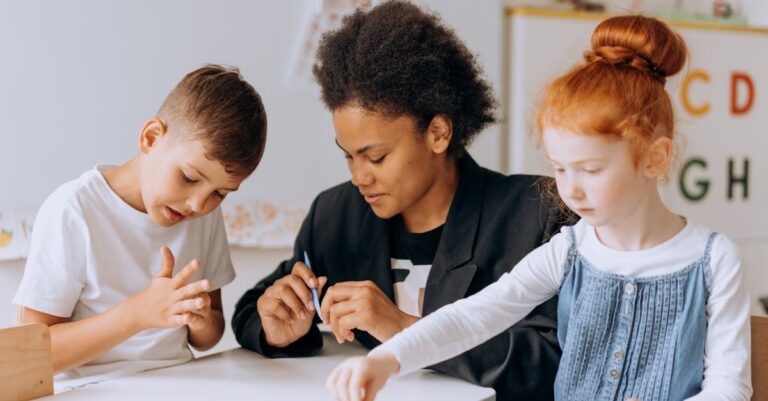
This Photo was taken by Diana ✨ on Pexels.
About The Author


Honestly, I don’t get why people keep making such a big fuss over what kids are reading. It’s like they forget that education is supposed to prepare students
You know, I once tried to sneak a banned book into my middle school, thinking I was super clever. Turns out, teachers are way more on top of this stuff than I gave them credit for! It’s wild how these local debates can seem small but really impact what kids get
It is indeed concerning to observe the increasing trend of book bans in North Florida’s school districts. Such actions risk limiting students’ exposure to diverse perspectives and essential narratives that foster critical thinking. While I understand the desire to protect certain values, it is important to
I wonder how much impact these local debates really have in the long run. Sometimes it feels like they just stir things up temporarily without leading to real change. Also, I’ve seen some schools where banning certain books ends up making students more curious
It’s interesting how these debates get so much attention locally but rarely seem to reach a broader audience. I wonder if the focus on banning books might be overshadowing larger issues like funding or curriculum quality. Sometimes it feels like
Ever notice how these debates sometimes feel like a small ripple but end up making big waves? I mean, I remember when I was a kid, the books I read kinda reflected my world, and it’s weird to think a single ban
Have you ever noticed how these debates seem to get more heated than a neighborhood BBQ? I mean, I get the importance of community standards, but sometimes it feels like we’re just flipping through a book and missing the whole story. Back in my day, school libraries were packed with whatever was interesting, not just approved stuff. Anyway, curious to see how these bans shape what kids are actually learning or if it just makes their curiosity worse!
I read your post and honestly, it makes me worry a lot about what’s really going on. Are these bans really necessary? It feels like everything’s moving so fast and sometimes I wonder if we’re just silencing important voices under the guise of protecting kids. Maybe I’m overthinking it, but I can’t shake the feeling that some of these debates are more about control than education. Do you think the community really understands what they’re losing? I mean, I remember when I
I’ve seen enough of these debates to know they often turn into censorship battles rather than genuine discussions about education. Why is it always about banning books instead of actually trying to understand different perspectives? Kids deserve access to diverse ideas—not restrictions based on someone’s personal opinions. This is just another example of how ignorant some adults are about the importance of free thought and learning. How about focusing on improving actual teaching instead of policing what’s in a book?
Oh sure, because nothing says “exciting community event” like a heated debate over books. I mean, who wouldn’t want to spend their evenings arguing about what’s appropriate for kids instead of, you know, actually supporting education? Maybe next they’ll ban the word “education” itself—less controversial, more mysterious. Anyway, keep fighting the good fight for the *important* issues.
You know, I’ve been thinking about how these local debates can sometimes get overshadowed by national news, but they really do impact daily life more than we realize.
It’s interesting how these small local debates can sometimes turn into bigger discussions about what’s really important. I remember when my local school had a similar issue, and it made me realize how much influence these decisions have on the community. Sometimes I wonder if all the fuss is about the books themselves or about something deeper. Anyway, thanks for shedding light on this!
Interesting point about how these local debates really impact the community overall. I remember when my local school district started banning certain books a few years ago and it felt like such a big deal at the time. It’s weird how something happening in a small community can have ripple effects elsewhere. Sometimes I wonder if these bans actually help or hurt students
Sometimes it feels like these debates are just background noise, but I realize they really do impact kids and how they see the world. It’s heartbreaking to see books deemed “in
Honestly, I don’t get why people keep making such a big deal about these book bans. It’s not about censorship or destroying learning, it’s about protecting kids from inappropriate content. Just because some folks want to keep certain materials out of schools doesn’t mean they’re against education, they’re just trying to set boundaries. Why is everyone acting like it’s some huge attack? It’s just a debate, not
I’ve noticed that discussions about book bans tend to get heated very quickly, but I wonder if focusing on what specific books are being challenged might help clarify the real issues at stake. Sometimes it feels like these debates are more about political ideologies than actual educational needs. Personally, I remember reading a banned book in high school that really changed my perspective, so I sympathize with students who might be missing out on important stories. Do you think schools could incorporate more diverse perspectives without crossing certain lines? Just a thought.
It’s interesting how issues that seem so localized can actually have ripple effects throughout the entire community. I remember attending a school board meeting a while back where the topic was sports equipment funding, but the underlying tensions about curriculum and community values were pretty evident. I think it’s
While it’s true that discussions about book bans often seem localized, their implications are far-reaching and merit serious attention. The decisions made in these debates can influence not only what students read but also the broader societal values that are being reinforced or challenged. It’s essential that policymakers and community members approach these issues with a nuanced perspective, recognizing the importance of intellectual freedom and diverse perspectives in education. Dismissing these debates as mere local affairs risks undermining the foundational principles of
Did anyone else notice how these debates seem to be more about control than education? I mean, banning books just seems like a way to censor what kids can think about. When I was in school, we had a library full of all kinds of ideas and stories, and I think it made me more curious. Just a thought, but maybe we should focus on teaching kids critical thinking instead of shielding them from certain topics.
It’s interesting how local issues such as book bans can have such a ripple effect on community engagement and perceptions of education. I wonder how these debates influence students’ perceptions of intellectual freedom and critical thinking. Also, it might
It’s interesting how these debates often fly under the radar until they escalate. Book bans may seem like a small issue, but they really touch on broader questions about freedom of expression and what we value in education. I’ve seen firsthand how decisions like these can set a precedent that influences community perceptions for years. Sometimes I wonder if people
While I understand the importance of community involvement in education, I believe that blanket bans on certain books are a dangerous path. Censoring materials because they challenge some people’s beliefs stifles intellectual growth and limits students’ access
I’ve seen these debates pop up a lot lately, and honestly it’s kind of shocking how much attention they’re getting now. I remember when I was in school, we didn’t really think much about what was being taught or what books we could read. Seems like today it’s more about control than education.
One thing that gets me is how these bans might end up doing more harm than good, especially since kids need access to diverse perspectives, right? I wonder if there’s a way to
Sorry if I’m missing the point but I really didn’t mean to offend anyone with my previous comment. I just feel sometimes we get caught up in the debates and forget that there are different perspectives. I understand why some people are concerned about the content being available, but at the same time, I think it’s important to consider freedom of choice and access to diverse ideas. Anyway, I appreciate you sharing this info, it’s good to be more aware of what’s happening in our community.
Interesting point about how these school board debates might seem small but actually have big impacts. I remember when my local school tried to ban certain books a few years back, and it really caused a lot of heated discussions among parents and teachers. Seems like these issues always stir up strong
Sorry to interrupt, but I just wanted to say I hadn’t really thought about how these local school board debates can affect the wider community. It’s easy to overlook how much influence decisions about what books are allowed can have on students and families. I guess I’ve always assumed these issues stayed within school walls, but reading this made me realize there’s a bigger picture involved. Thanks for sharing this perspective, even if it’s a bit unsettling.
It’s interesting how these relatively small-scale debates can have such a profound impact on the community. I remember when similar discussions took place in my local district a few years ago, and it really made me think about the importance of balancing protection and openness in education. Sometimes I wonder if more open dialogue could help prevent these kinds of conflicts from escalating. Anyway, thanks for sharing this perspective—it’s a reminder that even the quietest discussions can shape the
Well, if these debates get any more heated, we might need a referee and a popcorn stand at the next school board meeting! Honestly, I half expect a WWE-style smackdown over which book gets banned next — maybe “To Kill a Mockingbird” will come with a cage match. Anyway, good to see folks actually caring about what their kids read, even if it does sometimes seem like a playground squabble.
It’s interesting how these school board debates can seem so small but actually have such a big impact! I remember when I was in school, even small changes in policies made a real difference in what we could learn and discuss. It’s good to see communities getting involved—even if it gets heated sometimes—it shows people care about education. Keep sharing these stories, they remind us why local issues matter!
Is it just me or do these debates secretly turn into political wrestling matches? I half expect someone to toss a book instead of a punch at the next meeting. Also, I’ve heard that some of these bans are just cover-ups for the real issue: parents trying to hide how bad their kid’s handwriting is. Anyway, keep fighting the good fight — preferably with less paper and more snacks.
Is it just me or do these school board debates sometimes sound like a bunch of folks arguing over which flavor of ice cream is the best? Except instead of sprinkles, they’re banning books! Every time I hear “book ban,” I picture someone trying to hide their secret stash of Harry Potter behind the encyclopedias. Keep fighting the good fight, community! Or maybe just agree to disagree and share a muffin instead.
is it just me or do these debates seem to get more heated every year? I remember when books bans used to be pretty rare but now it feels like they’re everywhere especially in Florida. i get why people are upset but also think it’s important to have access to diverse perspectives. been through something similar with my kid’s school and honestly it’s tough to strike a balance. anyone else feel like this is more about politics than education?
So basically, the school board is playing a game of “how many books can we ban before anyone notices?” Next thing you know, it’ll be map quizzes to find the banned books on the shelves! Seriously though, it’s wild how these tiny debates turn into
It’s really disheartening to see how these debates over books can become so divisive. Sometimes I wonder if we’re losing sight of what education truly should be about—fostering understanding and critical thinking, not censorship. My niece once told me she struggled to find books she related to at her school, and it broke my heart to think how gatekeeping could limit kids’ perspectives. Feels like we’re heading in a direction where open minds are being closed off instead.
I remember when my local school had a heated debate about a new library policy. It’s funny how something that seems small on the surface can really stir up a whole lot of community drama. Honestly, I wonder how many parents really read those banned books before making a fuss. Sometimes it feels like the debates are more about politics than education,
I’ve seen some of these debates firsthand and it’s pretty wild how much can hinge on what’s being discussed. Sometimes it’s about the books, but other times it’s about larger values and what people think schools
Interesting point about how these debates seem small but really aren’t. I remember when my local school board got into a similar mess over some books too, and suddenly everyone was talking about what kids
It’s interesting how local school board debates can sometimes seem insignificant but actually have a big impact. I remember when my local district debated adding new library policies, and it felt like such a small thing but ended up changing the whole reading list for students. I wonder how much community input really influences these decisions, especially on sensitive topics like book bans. Also, I read somewhere that similar debates in other states often reflect larger national tensions about education and values. It’s kinda surprising how much these small meetings can
Oh wow, what a shocking revelation that debates about books and education happen in community centers and online streams. Who would have thought that local issues could have such a profound impact? Next thing you know, people might start realizing that these discussions actually influence the future of our kids—imagine that! Anyway, keep fighting the good fight, because surely these small, quiet debates are the real battlegrounds for society’s future.
I think it’s important to remember that these debates about book bans aren’t just about the books themselves but also about what it means to have open access to information and different perspectives. I’ve seen firsthand how restricting certain materials can impact students’ ability to explore new ideas and develop critical thinking skills. Sometimes it feels like these discussions get
I’ve seen how these debates can get pretty heated, but honestly I wonder sometimes if banning books really solves anything. It feels like just sweeping problems under the rug instead of facing what’s really going on. Also, I remember
Guess I missed the memo that school board meetings are now America’s next big reality TV show. Who needs Netflix when you have passionate parents and teachers debating whether “Of Mice and Men” is suitable for 8-year-olds? Maybe they should just replace the debates with a game of pin the tail on the curriculum — at least that’s more fun to watch. Anyway, hope they keep the books
Ever wonder if these debates are more about control than education? I used to think banning books was just a local thing, but then I realized it’s kinda like a microcosm of bigger worries about free speech these days. Once, I accidentally stumbled into a school board meeting just to see what all the fuss was about—ended up staying for an hour because they were discussing a book I actually read as a kid. Weird how these small local disputes can really reflect larger societal issues.
So basically, the school board meetings are like the neighborhood gossip sessions but with more papers and less wine? Honestly, I’m just sitting here waiting for the day when they start debating whether or not to ban comic books because “they’re too colorful.” If only political debates were as entertaining as watching a cat try to squeeze into a tiny box, maybe more people
It’s interesting how issues like book bans can have such a ripple effect beyond just education, impacting community values and perceptions. I remember when my local school district faced similar debates, and it highlighted how sensitive and complex these topics are. Sometimes I wonder if there’s a way to find common ground that respects diverse viewpoints while ensuring access to a wide range of ideas. Does anyone know if Duval County has considered alternative approaches to address concerns
It’s interesting how local school board discussions can have such a wide-reaching impact. I remember when I was in school, the books we read really influenced how I saw the world, so I understand why debates over material can get pretty intense. Sometimes it’s hard to find a balance between protecting community values and ensuring students have access
It’s interesting how something that seems so small on the surface, like a school board debate, can have such a big impact. I remember when they tried to ban
Honestly, it seems like these debates are more about control than education. Who decides what kids should or shouldn’t read? Sometimes it feels like there’s an agenda to sanitize everything, and that’s dangerous. Literature exposes young minds to different perspectives, and banning books just censors ideas. Kids need to learn to think critically, not be shielded from it. Maybe if the community would stop crying about “protecting innocence” and start focusing on teaching them how to handle tough topics, we wouldn’t be having this ridiculous censorship debate in the first place.
Interesting take. I sometimes wonder how much influence these debates really have, or if they just become noise that doesn’t lead to any real change. Like, I’ve seen similar things happen in my town but nothing really shifts. Do you think the actual community impact is as big as it seems from the outside? Also, I read somewhere that sometimes banning books just makes folks more
It’s interesting how these local debates can have such a big impact, even if they don’t always get a lot of attention. I remember when my local school board was discussing similar issues and how it really got everyone talking, not just parents but teachers too. It shows how important community involvement is in shaping education. I wonder how other districts are handling
I’ve seen similar debates in my own town, and it always strikes me how much these issues can divide us even though they really affect the future of education and understanding. Sometimes I wonder if people realize how important it is to keep the conversation open, especially about books and ideas that challenge
I think it’s really interesting how these local issues can have such a big impact. Sometimes I feel like people overlook how much influence school decisions — like what books are available — can shape kids’ perspectives. It’s good to see folks talking about it openly, even if the debates get heated. When I was in school, we didn’t have as much focus on these kinds of conversations, but now I realize how important they are for the community’s future.
Sometimes I wonder if people really realize how much influence these debates have on the future of our kids. I mean, it’s easy to dismiss them as local issues, but education shapes entire communities. When I was young, my school librarian introduced me to books that changed my perspective and opened my mind. It’s a reminder that the choices made now can either expand horizons or limit them. So even if these debates seem small or distant, they matter a lot more than we sometimes think.
Honestly, it’s frustrating how these debates seem more like theater than genuine concern. People act like they’re protecting children but really they’re just gatekeeping and trying to
So basically, local school board meetings are like the plot twists of a small-town sitcom—everyone’s got an opinion, and nobody can agree on the plot! I once attended a meeting where the biggest debate was whether to keep the library books or replace the furniture. Spoiler: the books survived, but I still think the debate was more intense than my last family reunion. Makes me wonder how much influence a few passionate folks really have—probably enough to ban a book or two,
Honestly, it’s frustrating how these so-called debates get so much attention but rarely lead to real change. All the noise about book bans just feels like a distraction from bigger issues like underfunded schools and crumbling facilities. How many of these board members are actually focused on improving education instead of policing what kids can or can’t read? Seems like local politics are more interested in moral posturing than meaningful progress.
Interesting point about the significance of local school board debates. I wonder how much influence parents and residents really have compared to state or federal policies. Sometimes it feels like these fights over books are just a distraction from bigger issues like funding and teacher pay. Also, I’ve seen cases where banning certain books actually makes them more appealing to students. Not sure if that’s the strategy here or just a side effect. Anyway, hope the community can find a way to balance free expression and appropriate content.
Oh, because nothing says “progress” like censoring books and pretending it’s about protecting the kids. I mean, who needs diverse stories and different perspectives when you can just stick to
Oh, joy. Another riveting episode of the local school board debate, where the real drama is whether or not students should be allowed to read anything that might challenge their worldview. Because heaven forbid we introduce a little controversy into education, right? I mean, who needs diverse perspectives when we can just stick to the same tired narratives and keep everyone happily ignorant. Can’t wait for the next community center showdown over the color of the library shelves. Truly inspiring stuff.
I’ve seen how these debates can really divide communities but also bring people together in unexpected ways. I wonder how much of the push for bans is influenced by larger political trends and how much by genuine concerns from parents or educators. Personally, I think open conversations are key, even if they get heated sometimes
It’s kinda crazy how something like a school board meeting can seem so small but actually influence so many ppl’s lives. I remember when my local school debated cutting arts programs and it felt like nobody paid attention till they actually cut a bunch of classes. Makes me wonder how many other issues are being decided that we don’t really see or hear about. Also, do you think these bans really make a difference in what kids might learn or just kinda limit their options?
Isn’t it fascinating how these small local debates can have such a big impact? I remember when I was a kid, my community’s choices about what to read really influenced me — I think it’s so important to keep those conversations open. I wonder how much influence students themselves could have in these discussions? Anyway, thanks for highlighting this issue — it’s definitely something more people should be aware of.
I don’t know, I guess I worry that sometimes these debates get so heated and local that people forget how much is at stake for the students. Like, are we really protecting their interests or just fighting about control? It feels like the decisions made in these small meetings can have long-lasting effects that we don’t fully understand until it’s too late. I mean, I remember
Interesting point. Sometimes I wonder if the focus on banning books really addresses the bigger issues kids face today. I get why some parents are concerned, but at the same time, isn’t it more important to encourage critical thinking rather than just restrict access? Also, I remember a time when I read a book in school that opened my eyes to different
It’s interesting how these school board debates, which sometimes seem so mundane or distant, really do have a big impact on local communities and even beyond. I wonder if people realize how much influence they have when they speak up or stay silent during these discussions. In some cases, it feels like the focus on banning books could be overshadowing more pressing issues like funding or teacher support. Has anyone seen any studies on how these bans affect students’ learning and mental health long-term?
Honestly, I never really thought about how much these local debates impact the bigger picture. It’s kinda crazy to think that what gets discussed in those meetings can influence the books kids have access
It’s interesting how these debates seem to get so much attention locally but rarely make waves nationally. Sometimes I wonder if these conflicts are more about political posturing than actually improving education for students. Also, the
Sorry to jump in, but I think sometimes these debates go too far and forget that students need access to a variety of perspectives. I understand the concern over age-appropriate content, but banning books might limit their growth and understanding of the world. Maybe there’s a middle ground where we can ensure education remains balanced without censorship. Just my two cents.
Is it just me or does it seem like these school board debates are basically the political version of “who ate the last cookie” but with more at stake? I swear, next they’ll be banning the books about how to have honest conversations — oh wait, maybe they already have! Anyway, next time they debate, someone bring popcorn, because it’s basically a soap opera with a side of education.
Ever notice how school board debates sometimes resemble a live episode of “Who Wants to Be a Book Banned Millionaire”? It’s like everyone’s got their own buzzer, but instead of cash, it’s banning whatever they dislike.
It’s interesting how these local debates get overlooked but they really do impact the community as a whole. Personally, I think there’s a fine line between protecting children and censorship. Sometimes it feels like parents are more concerned with controlling what their kids read than fostering critical thinking. Also, I wonder how many of the people protesting actually read the books they’re trying to ban. Just a thought.
It’s interesting how these local debates can really influence the larger community, even if they seem small at first glance. I remember when similar discussions happened in my hometown and how they sparked some unexpected conversations among parents and teachers. Sometimes it feels like these issues are more about values and trust than just the books themselves. Not sure what the best approach is, but it’s clear that what happens in school board meetings can have a lasting impact on how education is perceived and experienced.
I think you bring up an important point about how these school board debates, even if they seem small or local, can really impact the bigger picture. Honestly, I didn’t realize how much influence these book bans could have until I read this. I guess I always thought they were just about the books themselves, but it’s more about what kind of community we want to build. Sorry if
Honestly, it’s infuriating how these so-called debates get blown out of proportion. Schools should be a safe space for education, not some battleground for political agendas. People act like banning books somehow protects kids, but all it does is censor ideas and shatter intellectual freedom. Instead of wasting time fighting over books, maybe we should focus on actually improving the quality of
It’s interesting how local school board debates can sometimes fly under the radar but still have such a big impact. I remember attending a similar meeting a few years ago and feeling surprised at how much was at stake. Sometimes I wonder if people realize how decisions about books and curriculum really influence the kids’ future and the community’s values. Also, I read somewhere that these bans often lead to a chilling effect on the kinds of conversations and ideas that students are exposed to which is kinda worrying. Anyway, thanks for highlighting this — it’s a reminder that even what seems like small local issues can
Honestly, I don’t get why everyone gets so worked up about book bans. Like, sure, some books might be controversial, but isn’t there a point where parents should have a say? I remember when I was a kid, we had rules about what we could and couldn’t read, and it wasn’t the end of the world. Seems like people are just overreacting sometimes. And if these debates are so important, why are they always happening behind closed doors or streamed so quietly? People should probably pay more attention before reacting.
I’ve seen similar debates in my own neighborhood, and it always surprises me how heated things get over books. Sometimes I wonder if people really understand what might be lost when certain titles get banned. It’s interesting how these local issues can reflect bigger societal questions about freedom and education. Also, I read somewhere that banning books often backfires because it draws more attention to the material being
It is indeed concerning to observe the increasing prevalence of book bans within North Florida’s school districts. Such restrictions can significantly limit students’ access to diverse perspectives and critical thinking materials. Has there been any organized effort from community members or educators to advocate for comprehensive curriculum choices? Engaging in open dialogue seems essential to balance community values with educational freedom. In my experience,
I think people underestimate how much influence these debates really have. Banning books might seem like a small issue, but it touches on freedom of expression and the kind of society we want to build. I remember when I was in school, a book was removed just because a few people found it uncomfortable—didn’t sit right with me then, doesn’t sit right now. What’s concerning is how quickly these bans can set a precedent for controlling ideas and narratives in education. It
It’s interesting how these seemingly small local debates can have such a big impact on the future of education. I remember when I was in school, having access to a variety of books really helped open my mind. Hopefully, communities can find a balance that respects both perspectives and keeps the love of learning alive for students. Sometimes it feels like these discussions are just the tip of the iceberg for larger societal issues. Do you think there’s a way to encourage more open dialogue around such topics?
Honestly, it’s infuriating how these school board debates are treated like small-town gossip when they impact the future of kids. Maybe if more people actually paid attention, we wouldn’t have such ridiculous book bans trying to censor anything that challenges old traditions. Who are they to decide what’s appropriate
Honestly, it feels like these debates are just a distraction. While everyone fusses over books and woke agendas, real issues like underfunded schools and teacher shortages get ignored. It’s always the same chorus of moral panic and censorship, instead of actually trying to improve education for
Did anyone ever think about how these small debates turn into big community fireworks? I grew up in a small town and we had our own version of these book ban clashes. Honestly, once my teacher snuck in a banned book when no one was looking and we all read it during lunch. Made me wonder how much we’ve lost by shutting certain titles out. Anyway, interesting to see these local issues get so much spotlight—it’s kind of like the heart of democracy beating in these tiny rooms
Did someone forget to tell those books they’re just supposed to be quietly read and not spark debates? Sounds like the real story here is how books are staging a rebellion in North Florida! Next thing you know, they’ll be banning pizza for being too cheesy.
It’s interesting how these local debates can sometimes seem like just background noise but actually have a big impact. I remember when my local school board was debating a similar issue and it really made me think about what stories are considered appropriate for kids. I think it’s important to keep those conversations open and respectful, even if people disagree. Thanks for shedding light on what’s happening there—these are issues that matter to a lot of communities, not just the folks directly involved.
Honestly, it’s frustrating how these debates seem to only get attention when they make headlines or stir controversy. Why is it that so many important decisions about education get sidelined until there’s a scandal or some loud argument? Seems like the community’s voice should matter more than just during fights over books. Also, don’t people realize that banning books doesn’t solve anything? It just limits learning and makes everything more closed off. Anyway, I wish these discussions were taken more seriously and handled with actual respect for different opinions.
Honestly, it’s frustrating how these debates seem to happen in some backwater room with little media attention. Does anyone really think that banning books is going to help anything? all it does is censor ideas and limit students’ learning. It’s not just a local issue either — it’s a sign of how disconnected some folks are from the importance of free thought. I’ve seen firsthand how banning books just makes kids curious about what they’re not supposed to read. Maybe if we focused more on education and less on banning, this wouldn’t be such an ongoing mess.
Interesting point about how these debates seem so low-key but actually matter a lot. I remember my own school years and how some books or topics were banned, and it definitely influenced what we thought was okay to talk about. It’s kind of crazy how local stuff like this can have big ripple effects. Do you think these bans actually help or hurt kids in the long run?
Is it just me or do these debates sometimes seem more like political theater than actual education discussions? I remember when I was in school, we had more freedom to explore different ideas without constant worry about censorship. Makes me wonder how today’s students feel about all this. Also, interesting to see how something like book bans can ripple through the entire community — kind of a big deal, huh?
Is anyone really surprised by this? It’s ridiculous how all these book bans are happening under the guise of protecting kids but really it’s just controlling what they can think and learn. Why is it so hard for some folks to understand that exposure to different ideas actually makes for smarter, more compassionate people? Instead of banning books, maybe focus on teaching critical thinking. And honestly, these debates should not be happening in secret or behind closed doors. The community needs transparency and accountability, not censorship disguised
Is it just me or do these school board debates sometimes seem more dramatic than a soap opera? I remember when I was in school, the books we read really opened up new worlds for me. Can’t help but wonder how many kids might miss out on that if certain titles keep getting the boot. On the bright side, at least it gets people talking, I guess!
I think it’s interesting how these discussions, though often overshadowed by bigger issues, really do impact kids’ lives. I remember when I was in school, how the books we read shaped our understanding of the world and our community. It’s essential to keep those lines of dialogue open and ensure that students have access to diverse perspectives. Hope these debates lead to more thoughtful decisions rather than just quick bans.
it’s kind of crazy how something as simple as a book ban can stir up so much tension. I remember when my school had similar debates and it really made me think about how much influence local decisions have on what kids are allowed to read. sometimes it feels like these fights are more about control than education tho.
Isn’t it strange how something as simple as a book can stir up such a big fuss? I remember when I was in school, books felt like tiny worlds I could escape into. Now, it seems like every page is up for debate. I wonder how many students are actually impacted by these bans. Seems like the
Honestly, it’s frustrating how these debates are dismissed as just local issues. The stuff happening in Duval County is a microcosm of a larger problem—people using censorship as a tool to control narratives they don’t like instead of actually addressing the real issues facing education. Just because it’s happening somewhere
I think it’s interesting how these debates seem so localized but have such wide-reaching implications. Sometimes I wonder if people really understand the long-term effects of banning certain books. It’s not just about censorship; it’s about what kind of society we’re building and whether we’re fostering open minds or silencing different perspectives. When communities focus only on protecting certain values, they might inadvertently limit students’ ability to think critically and empathize with others. The question I keep asking is: Are we really gaining anything by restricting access to diverse ideas, or are we just creating echo chambers?
Honestly, it’s frustrating how these issues get so much attention but hardly any real action. The kids are the ones suffering because of all this censorship, and all we get are heated debates that go nowhere. Why are local officials so quick to ban books instead of actually listening to educators and parents who want open discussion? We’re heading backwards, not forwards.
Honestly, this article kinda glosses over the real problems here. Book bans are not just about protecting kids, they are about silencing voices and controlling what ideas people are allowed to access. It’s ridiculous that these debates happen behind closed doors or streamed online with no real transparency. Who gets to decide what’s appropriate for kids? It’s
So basically, school board meetings are just the adult version of a playground fight over who gets to be the line leader. I swear, if I had a dollar every time someone passionately argued about book bans, I could probably fund a whole new library—full of the banned books, of course. Anyway, I wonder if they ever consider just letting kids decide—maybe they’d pick better books than some of the stuff adults fight over. Also, if banning books was an Olympic sport, North Florida would be the reigning champs.
I’ve seen a few of these debates myself and honestly it gets pretty intense sometimes. It’s kinda wild how much influence these local decisions have on what’s available for students. I remember when my high school tried banning some books, and it made me wonder how many students feel like their voices aren’t heard
While I understand the concern over book bans, I believe it’s crucial to recognize the importance of protecting age-appropriate content for students. Local communities should have the authority to decide what’s suitable for their kids, rather than outsiders imposing their viewpoints. Sometimes, these debates are less about censorship and more about safeguarding moral or cultural values. It’s a complex issue that doesn’t have a one-size-fits-all solution.
It’s interesting how these local issues can sometimes seem small but have such a big impact. I wonder how many parents really know what their kids are reading and how involved they are in these debates. Personally, I think it’s important to find a balance between protecting
It’s interesting how local school board debates, which sometimes seem small or insignificant, end up influencing a lot more than most people realize. From what I’ve read elsewhere,
Ever noticed how these school board meetings sometimes resemble soap operas? Everyone’s got an opinion, and the drama is thick! I remember when my local school debated whether to keep the library
It’s interesting how something as simple as a book ban can spark such intense debates. I visited a school library once, and the number of restrictions felt overwhelming, almost like we’re trying to shield students from ideas instead of preparing them for the real world. I wonder if there’s a way to balance protecting age-appropriate content while still encouraging curiosity and critical thinking. Sometimes I think people forget how important diverse perspectives are in education. Hopefully, these discussions lead to more thoughtful policies rather than knee-jerk reactions.
It’s interesting how often these school board meetings fly under the radar but have such a big impact. I remember when a similar debate happened in my town about curriculum content and it really stirred up a lot of emotions. Sometimes I wonder if these bans are more about controlling narratives than actually helping students. Also, I read somewhere that
Ever notice how these debates sometimes seem like a local theater production but with real consequences? I remember when my neighborhood had a similar fight over library books, and it was surprising to see how emotionally charged it got. Sometimes I wonder if folks realize how much influence they have by speaking up or staying silent. Also, it’s interesting how these “small” issues can ripple outward and become statewide or even national topics. Just hoping all sides can remember the importance of diverse perspectives in education—sounds cliché but true!
It’s interesting how local school board debates can sometimes feel so distant, yet they really do impact so many lives. I remember when my local district had similar discussions about curriculum changes, and it seemed like such a small thing at first but ended up shaping the community’s values and priorities. I think it’s crucial for parents and students to stay engaged, even if it feels like a small fight, because these battles help define what education truly means for everyone. Hopefully, more open dialogue can lead to better understanding and balance in these decisions.
Oh sure, because nothing says progress like censoring books and controlling what kids can read. It’s absolutely thrilling to watch communities turning into literary Fort Knox. I mean, who needs diverse perspectives when you have
Honestly, this whole thing about school board debates. It’s like everyone only cares about their own little bubble. Book bans? Seriously? Who gets to decide what kids can or can’t read? It’s just censorship plain and simple. If we keep allowing this, we’re not just restricting
It’s interesting how these debates, though seemingly local, can really influence the bigger picture. I remember back in school, the books we read made a huge difference in how I saw the world. It’s a tough balance between
It’s so interesting how these local debates can actually have such a huge impact! I remember when my local school district was debating similar issues a few years ago, and it really made me think about how much influence community opinions have on what’s taught and what kids can access. Sometimes it feels like the bigger picture gets lost in the noise, but these conversations are crucial. Keep shedding light on this — these issues matter so much!
So basically, the school board meetings are like the local version of a reality TV show, but instead of roses or cash prizes, they’re handing out bans? I imagine the scenes must be quite the spectacle—like watching a bunch of folks argue over whether “Harry Potter” should be allowed or if “Huckleberry Finn” is too controversial. Honestly, I wouldn’t be surprised if next week
It’s surprising how something that seems so local can actually have such a big impact on communities everywhere. When I first heard about the book bans in North Florida, I was reminded of my own high school days and the books we read that challenged us to think differently. Feels like these debates are about more than just books—they’re about the values and beliefs of the community at large. Honestly, I hope people realize how important it is to protect educational freedom and that
Ever notice how school board debates sometimes resemble a low-budget soap opera? I half expect popcorn vendors to show up. But seriously, I once tried to follow a meeting and ended up more confused than a cat in a cucumber patch. Anyway, I didn’t realize book bans could be so dramatic—like, next thing you know, they’ll be banning bookmarks too!
I think you make a good point about how these school board debates might seem small but actually have a big impact. Sorry if my earlier comments came across as dismissive or insensitive. I realize now that these issues are very personal to many families and communities. It’s just hard sometimes to see such heated discussions over books that could help students understand the world better. Hope we can find more common ground and focus on what’s best for the kids and their education.
Oh sure, because nothing screams “thrilling entertainment” quite like a heated school board debate about books. Who knew that choosing between “To Kill a Mockingbird” and “Huckleberry Finn” could stir up such controversy? Maybe next time they should just put it to a vote and let the community decide if they want to read actual literature or if it’s easier to keep everyone in the dark. Truly riveting stuff.
Sometimes I wonder if people really understand how much these school board decisions affect kids’ lives. I mean, banning books might seem like a small thing to some, but it sets a precedent for censorship and limits access to diverse ideas. Back when I was in school, I remember reading stories that challenged my perspective and helped me grow. Removing those options feels like closing the door on education itself. Do they really think banning a book will make students better or protect them? Feels more like restricting freedom to learn.
Honestly, I sometimes think school board meetings are like live-action sitcoms, but with less laughter and more “Mrs. Johnson, put down the copy of Harry Potter!” It’s funny how a little debate over books can turn into a full-blown community drama. I remember when I was in school, the biggest controversy was if
I wonder how much influence these local debates really have on actual policy changes. It seems like a lot of noise over issues that might not get resolved anytime soon. When I was a kid, we didn’t really focus on the books; it was more about the quality of teaching. Also, isn’t it interesting
It’s important to recognize that debates over book bans often reflect deeper societal issues, such as differing values and perceptions of age-appropriate content. While community involvement is vital, policymakers must ensure that decisions are grounded in educational integrity and the rights of students to access diverse perspectives. Blanket bans can inadvertently limit intellectual freedom and critical thinking skills, which are essential for fostering informed citizens. Schools should serve as spaces for open dialogue, and
The issue of book bans in North Florida highlights a complex intersection of community values, educational priorities, and freedom of expression. While it is understandable that parents and community members wish to protect certain perspectives, it is equally important to ensure that students are exposed to diverse viewpoints and critical thinking opportunities. Striking a balance between safeguarding cultural or moral standards and fostering an inclusive learning environment remains a critical challenge for school boards. I wonder how other districts have approached similar debates and what
It’s crucial to recognize that discussions about book bans aren’t just about controlling what’s on a shelf; they’re about the fundamental right to access diverse ideas and perspectives. When local communities start policing reading materials, it sets a dangerous precedent that can stifle intellectual freedom and discourage open dialogue. We should be focusing on fostering critical thinking, not censorship. No matter how heated the debates get, safeguarding educational integrity must remain a top priority.
It’s interesting how something as simple as a book can stir up such a big fuss, huh? I remember when I was in school, we had a library full of banned books, and I couldn’t help sneaking a few if I found them interesting. Sometimes I think these debates forget that students
It’s crucial to recognize that these debates aren’t just about books; they’re about the values and future direction of our communities. When discussions around book bans become censorship, we risk silencing important voices and limiting access to diverse perspectives. This isn’t just a local issue—it’s a broader societal concern that needs thoughtful engagement
It’s interesting how these debates, though seemingly small, really do impact the whole community, isn’t it? I remember when my local school district started discussing curriculum changes, and it definitely made me
It’s interesting how these local debates can have such a big impact, even if they seem small at first glance. I remember when my local school board was discussing similar issues and how much it made me think about what values we want to pass on. Sometimes I feel like these conversations are a bit overshadowed by bigger national issues, but they really shape our communities. Hoping for balanced solutions that respect everyone’s perspectives!
Honestly, it seems like people are more interested in pushing their own agendas than actually listening to the experts or trusting parents who want what’s best for their kids. These book bans are censorship plain and simple. When did we start treating our schools like propaganda machines? Students deserve access to diverse ideas, not a
It’s interesting how something as seemingly simple as a book ban can spark such strong reactions. I wonder if there’s enough effort being put into balancing community values with students’ rights to access diverse perspectives. I remember in my own town, debates like these often overlook the educational importance of exposing students to different ideas, even if
It’s concerning how these debates, though often seen as local issues, have such far-reaching implications. Education is a cornerstone of society and should be driven by informed, open discussions rather than censorship. When communities allow book bans to take hold, they risk stifling intellectual freedom and restricting the diverse perspectives that are vital for growth. It’s important for residents to recognize that what happens in those school
Interesting point about how these debates really influence the bigger picture. I remember when my local school district had similar discussions, and honestly, it felt like these small meetings had more impact than most people realize. Do you think there’s a better way to make these conversations more visible to the community, so folks who aren’t
It’s interesting how these debates, even if they seem small or local, can really influence so much more than people realize. I remember when I was in school, the books we read shaped a lot of my perspectives, and I think access to diverse stories
It’s interesting how these local debates can sometimes fly under the radar, yet their impact is quite significant. I remember attending a local school meeting years ago and realizing how much influence these discussions have on students and families. Even if they seem small or distant, they shape the environment kids grow
It’s interesting how such debates might seem small at first glance but can really influence the whole community. I remember when my local school district faced similar issues, and it made me think about how important it is for parents and teachers to stay engaged. Sometimes it feels like these conversations are overlooked, but they really shape what kids are exposed to and
Oh sure, because nothing says “educational progress” like banning books and stifling discussion, right? I mean, who needs diverse perspectives when we can just keep everyone in the dark. It’s just so comforting to see our local leaders champion ignorance under the guise of protecting innocence. Can’t wait for the day when the only story kids read is the one the school board approves—sounds like a real page-turner.
While I understand the concerns about content in school books, I believe outright bans risk censoring important perspectives that students need to develop critical thinking skills. Education should challenge students to think, not shield them from uncomfortable ideas. It’s essential to have open dialogues rather than shutting down debate through bans. Communities need
Honestly, it seems like these debates are just another excuse for people to wave their moral flags while actually doing nothing meaningful. All this fuss over books while real issues like underfunded schools and crumbling infrastructure are ignored. Sometimes I wonder if the communities involved are more interested in virtue signaling than
It’s frustrating to see how these so-called community debates are often used as a cover for censorship. Education should be about fostering open dialogue and critical thinking, not suppressing ideas that make people uncomfortable. The fact that these discussions are happening behind closed doors or streamed quietly is indicative of how little transparency there is. We need to stop treating our schools like battleground
Ever notice how these school board meetings sometimes seem more like a stage for drama than serious discussions? I used to think that way until I realized how much real impact they have. My cousin’s a teacher, and she always says that what gets debated in those meetings can influence what kids read and learn for
It’s interesting how something that seems so small—like banning a book—can actually cause such a big ripple effect, huh? I remember when my own town had a big debate over library policies, and it really made me think about how much influence local decisions have on what kids get to see and learn. Sometimes I wonder if these bans are about protecting values or just about controlling the narrative. Anyone else feel like these fights over books sometimes overshadow the real issues in education? Anyway, it’s definitely a topic worth paying more attention to.
It’s hard to watch these local debates escalate into such heated conflicts when in reality, they’re about something so fundamental—what kids are allowed to read and learn. It feels like a lot of these discussions are more about control than education. I remember a friend who used to love reading but faced similar restrictions and it really affected her love for learning. Sometimes I wonder if we’re losing sight of what’s truly important in the push to ban certain books
I think these debates really highlight how much influence local decisions have on everyday life. Sometimes I wonder if people realize that what’s being discussed in those meetings can affect students’ access to diverse ideas and stories. I remember when I was in school, having access to a variety of books really helped me understand different perspectives. It’s a tricky balance for sure, but I hope the community keeps open conversations rather than rushing to bans.
It’s interesting how these local debates can sometimes seem insignificant but actually have big impacts. I remember when my local school board discussed a similar issue last year and I was surprised at how many parents and teachers got involved. Do you think these bans really serve the community’s best interest, or are they mostly influenced by broader political pressures? It feels like there’s a fine line between protecting values and limiting access to diverse ideas.
I’ve seen a few of those debates myself, and honestly, it’s kinda frustrating how much attention they get sometimes. I get the importance of community values but banning books feels like we’re shooting ourselves in the foot, especially when those books can open up new perspectives for students. Personally, I think a balanced approach might work better than outright bans. Anyone else feel like there’s
Oh sure, because banning a few books is obviously the pinnacle of community progress. Who needs diverse perspectives when you can just silence anything that challenges the status quo right? Totally makes sense that these debates are “powerful”—nothing like controlling information to keep everyone in line. Can’t wait for the next community forum where they decide to ban books about history altogether, just to keep things consistent.
Oh, because nothing screams “exciting community event” like a heated debate over book bans, right? Honestly, I can’t think of a better way to spice up a Tuesday evening
Honestly, reading this makes me nervous about what might happen next. I mean, it’s one thing to have debates about books or curriculum, but what if they start banning more than just books? It feels like a slippery slope and I worry about what that means for students’ freedom to explore ideas. Sometimes I wonder if the community actually understands how much influence they have, or if they’re just caught up in the hype. My kid’s school already feels kinda tense about what can be
I’ve seen how these debates can really split communities. Sometimes it feels like the focus shifts away from students and their needs, and more about controlling what can be read. I wonder how many kids are actually aware of these discussions and how
It’s interesting how those tiny community meetings can sometimes spark such big conversations. I remember when my local school board debated about the new library books a few years back—everyone had an opinion! Seems like these debates are more than just about books; they’re about
It is truly intriguing how issues such as book bans, which may initially seem localized, can influence the broader societal and cultural fabric. The discussions in Duval County exemplify the critical importance of community engagement and transparency in decision-making processes related to education. I wonder, could
I read your post and honestly, it made me worry a lot. Seems like decisions about books are becoming such a big deal and it feels like maybe we’re losing touch with what really matters for students. What if all these bans end up harming kids’ education and freedom of choice? Sometimes I wonder if the community really understands the full impact. I hope things don’t get too out of hand. Maybe there’s a middle ground but it feels like the whole thing is just escalating so fast.
Honestly, it’s frustrating how these debates get so hyped up over what books kids should or shouldn’t read. Like, do they even realize how much power they’re wielding over students’ lives? Banning books won’t stop curiosity or questions — it just makes things worse. When I was in school, we had a lot of restrictions, but it just made me want to find out more on my own. Seems like these folks forget that learning isn’t about censorship, it’s about exposing kids to different ideas and
It’s interesting how these school board debates, which seem so local, can actually have such a big impact. I remember when I was in school, the books we read really shaped how I saw the world. Seeing communities actively fight or support certain book bans makes me
So basically, it’s like a high-stakes game of “Keep or Chuck” but with books instead of snacks at lunchtime? I gotta say, I’ve seen more drama over whether to ban “Harry Potter” than at some reality TV reunions. Next thing you know, they’ll be debating whether to ban math classes because they might teach kids how to count better than adults. Anyway, I hope they keep some good stories for kids, or we’ll have a generation arguing about the value of a good read versus a good nap.
It’s interesting how something as simple as a book ban can spark such intense discussions. I remember when my local school district debated similar issues, and it really opened my eyes to how much influence these decisions have on our kids’ education and community values. I wonder how these debates will shape the future of schools in the area.
Oh sure, because nothing screams excitement quite like a heated debate over book bans, right? Who needs blockbuster movies or concerts when you can sit glued to a community center meeting about whether certain books should even exist. Truly riveting stuff. Honestly, can’t wait for the next episode of “Local School Board Battles”—it’s the must-watch series of the decade.
So basically, the school board debates are like the soap operas of the educational world but with less popcorn and more pamphlets. I mean, who knew that banning books could be such a hot topic? Next thing you know, they’ll be debating whether to replace history classes with karaoke sessions. Keep fighting the good fight, folks, or we might all end up learning from a tweet!
I’ve seen similar debates in my own town and honestly, it feels like these issues are often framed as just about books, but it really goes much deeper. When I was in school, the books we read helped shape how we see the world, and censoring them can limit that growth. I get that some folks are worried about age-appropriate content, but outright bans
It’s interesting how these local debates get so much attention but often fly under the radar for most people. I wonder how much influence these bans really have on students and whether they genuinely protect or just restrict access to diverse ideas. I remember when I was in school, and having access to different viewpoints really helped me think more critically. Sometimes I think these bans just end up limiting the growth of the students more than anything.
Interesting point about how these school board debates, even if they seem small, can really influence a lot more than we think. I remember when my local district was debating some curriculum changes, and it felt like a big deal at the time, but in the end it actually affected what kids could read and learn. Sometimes it’s hard to see that bigger picture when the discussions seem so localized. Do you think the protests or community opinions are making a difference, or is it a losing battle?
Is it just me or do these debates sometimes feel like watching a really intense family dinner where everyone has an opinion but nobody agrees? I once volunteered at a library and saw firsthand how kids just want to find stories that resonate with them—not sure banning books helps that. Also, I read somewhere that banning books often backfires because it makes them even more interesting. So maybe the real debate should be about providing diverse books rather than banning them outright. Anyway, it’s fascinating how local issues like these can ripple out and influence the broader community, huh?
Honestly, it’s frustrating how these debates seem to be more about controlling what kids can read than actually improving education. Why is it that whenever people feel threatened, they turn to censorship instead of dialogue? Just because a few people don’t like a book, doesn’t mean it shouldn’t be available. Schools should be spaces for learning and growth, not battlegrounds for ideological wars. And the fact that these debates are happening in community centers and online makes it feel even more disconnected from the real needs of students
it’s interesting how these small local debates can sometimes have such a big impact on the community as a whole. I remember when I was in school, even little discussions about what books to read made a difference in how I viewed learning. Hope people keep these conversations open and respectful, instead of shutting down ideas. Also, just curious, do you think there’s
The issue of book bans in North Florida schools indeed raises important questions about the balance between community values and educational freedom. While I understand the desire to reflect local moral standards, I worry about the long-term implications for intellectual diversity and critical thinking among students. Personal experience has shown me that exposure to a wide range of perspectives is crucial for fostering open-mindedness and empathy. It’s essential that these debates maintain a focus on promoting
It’s interesting how these seemingly small local debates can have such a big impact on the community. I remember when I was in school, even the smallest change in curriculum or book
Is it just me or does it seem like all these debates about book bans are kinda dangerous? I mean, who’s really deciding what kids get to see and learn? It’s scary to think that some people might be pushing their own views so hard that they shut down important conversations. I remember when I was in school, there was so much diversity in what we read, and it really helped us understand different perspectives. Now it feels like that’s slipping away. Honestly
It’s interesting how these discussions seem small on the surface but actually have such a huge impact on everyone involved. I remember when I was in school, the books we read really shaped my perspective and curiosity. Hope the community finds a way to balance protecting students while also encouraging their growth and freedom to explore different ideas. Seems like these debates are a big deal, and rightfully so!
interesting stuff. i wonder how many parents really understand what’s being banned and why. sometimes it feels like these debates get so heated that the actual issues get lost in the noise. I remember when I was in school, we had some pretty intense discussions about what books and topics we could read too, but it was all part of learning to think for ourselves. hope they find a way to balance it all out.
Oh wow, I had no idea that school board meetings were secretly the hottest ticket in town. Who knew that banning books could be such a thrilling community event? Next thing you know, they’ll be turning it into a reality show — “Keeping the Books Out” starring… well, maybe not the books. Maybe just the drama. Anyway, keep fighting the good
It’s interesting how these school board debates sometimes seem so distant, but they really do influence the community in many ways. I remember hearing about similar issues in my own town and thinking about how important it is to balance
So basically, the school board debates are like the hot gossip of the town but with more papers and less tea. Honestly, I half expect them to start debating whether to replace the mascot with a giant inflatable duck just to keep things interesting. Anyway, I hope they pick a mascot that’s more fun than a boring old eagle though
Honestly, it blows my mind how people get so worked up over books for kids. Like, what are they afraid of? A book’s just words, not some secret agenda. I remember when I was in school, we had plenty of controversial stuff, but we talked about it. Now it’s all about banning and hiding. Feels like we’re going backwards. Plus, banning stuff just makes it more tempting to read, so what’s the point? Seems like a
It’s frustrating how these debates about book bans are often dismissed as mere local issues, when in reality they threaten the very foundation of intellectual freedom and community diversity. Education isn’t just about policies; it’s about ensuring students have access to a wide range of ideas and perspectives. The community should be more involved in these discussions—not
It’s interesting how these school board debates can seem small at first glance but really have a big impact on the community. I remember when I was in school, a single book I loved was banned, and it made me think about the importance of diverse perspectives in education. Even if the discussions are behind closed doors or streamed online, they shape the future for students and parents alike. Hope the community continues to stay engaged and voice their opinions
It is interesting to observe how local school board debates, such as those surrounding book bans, can significantly influence the broader educational environment. While these discussions may seem isolated at first glance, they often reflect underlying issues of community values, censorship, and access to diverse perspectives. I wonder how these debates will impact the future of literacy and open discussion within these communities. It is crucial for stakeholders to ensure that
It’s interesting how these debates seem to fly under the radar for many people but really do have a big impact. I remember when I was in school, some books were off-limits and it
It’s interesting how something like a book ban can spark such strong feelings. Honestly, I wonder if sometimes people overlook the importance of diverse perspectives in school curriculums. When I was growing up, the books I read helped me understand different viewpoints; banning them seems to limit that kind of growth. Also, local debates seem so small but have big impacts, I agree
Oh, fantastic, another riveting episode in the never-ending saga of school board drama. Who knew that banning books could be such a thrilling spectator sport? Maybe next they’ll debate whether to replace textbooks with interpretive dance or silent meditation sessions. Can’t wait to see what groundbreaking decision they come up with
It’s interesting how these local debates can sometimes seem so small but actually have such a big impact. I remember when I was in school, the books we read really shaped how we saw the world. It’s a tricky balance between protecting community values and ensuring kids get a well-rounded education. Hope they find a way to keep open minds in the midst of all the fuss!
It’s baffling how these debates remain so localized yet have such widespread implications. School boards should recognize that the topics being debated, such as book bans, directly influence the values and freedom of thought within communities. When they
It’s interesting how local school board debates can sometimes seem so insular, but they truly have a big impact. I remember when our district had a similar discussion about curriculum content and it really divided the community. I wonder how effective online streaming really is for fostering genuine dialogue though. Sometimes it just feels like a way to avoid deeper engagement. Anyway, it’s good to see these issues getting attention, even if the debates get heated.
Interesting point about the influence of school board decisions. I wonder how much community involvement actually impacts the outcome of these debates. In my experience, sometimes local voices get drowned out by larger political influences, even though they feel the most immediate and relevant. It seems like fostering more transparent dialogue could help balance perspectives and
I think it’s easy to overlook how much these local debates can impact students, teachers, and parents beyond just the classroom. Personally, I’ve seen how bans can limit access to diverse perspectives and important stories, which isn’t good for fostering critical thinking
It’s shocking how something seemingly small like book bans can stir up such a huge storm! I remember when I was a kid, the books I read really opened my mind and helped me see the world differently. It’s frustrating to see these debates getting so heated—they impact so many students’ futures. Do you think there’s a way to strike a balance between protecting age-appropriate content and allowing free access to diverse ideas? Would love to hear more about how communities can navigate this tricky terrain without
Sorry to cut in but I just want to say I didn’t realize how serious the issue of book bans was until reading this. Honestly, I used to think it was just about school rules or something small, but now I see it’s
I’ve always thought that what happens in local school boards can be overlooked easily but then again it really shapes the community in a big way. I remember attending a meeting once and being surprised at how close everyone was to the issues discussed. It’s good to see these debates getting some attention because they definitely impact what kids are exposed to. Hopefully, folks will keep pushing for open dialogue instead of just silence on these topics.
It’s interesting how these local issues can sometimes seem small but really influence a lot more than we realize. I wonder if there are any organizations working to promote open discussions and protect access to diverse materials in these areas. Sometimes I think community members overlook how much their involvement could make a difference in shaping educational policies
The phenomenon of book bans in North Florida exemplifies a worrying trend where attempts to control information often backfire by fostering more division and censorship. Historically, restricting access to diverse perspectives within educational settings hampers critical thinking and community growth. It’s essential for stakeholders to prioritize open dialogue and evidence
It’s interesting how these small local debates can have such a big impact on the community. I remember when I first got involved in local school issues, I didn’t realize
It’s interesting how these small local debates can have such a big impact. I guess people sometimes forget that what’s discussed in school board meetings can influence future generations and community values. I wonder how students feel about all this — I bet they notice the changes more than we realize. Sometimes I think we need to remind ourselves that education isn’t just about policies, but about fostering a space where curiosity can flourish.
I’ve noticed that when local school board meetings are streamed online, they tend to attract more community members. Maybe because it’s easier for folks to stay informed without attending in person. Has anyone seen a notable change in participation since these debates started moving online? Also, I wonder how the students feel about these bans — do they get involved or affected more than we realize?
You know, I once got into a debate about a banned book in my own town’s library, and it was like opening Pandora’s box. Can’t help but wonder, are we really protecting our kids or just trying to control what
I think it’s interesting how these debates about books sometimes get overshadowed by the more visible issues like budgets or staffing. But the content of what students are exposed to is just as crucial, if not more so. When book bans happen, it feels like we’re limiting
Isn’t it wild how something as simple as a book can turn into a full-blown town hall showdown? I remember when I was in school, books were like portals to other worlds, and now it seems some folks just wanna slam those doors shut. Personally, I think a good story is part of growing up
Honestly, I didn’t realize that school board meetings were basically the adult version of playground drama. Next thing you know, they’ll be fighting over who gets to be class president! Also, can someone tell me if there’s a secret “Book Ban” decoder ring because I feel like I missed that memo.
Isn’t it interesting how these school board debates seem so small on the surface but have such big impacts? I remember hearing about some of these book bans happening in my own town and thinking, wow, this really affects what kids get to read and learn. Sometimes I wonder if folks realize how powerful their voices are during these discussions. It’s good to see people getting involved, even if it’s just online or at community meetings. Keeps the community engaged and hopefully makes everyone think twice before making quick decisions!