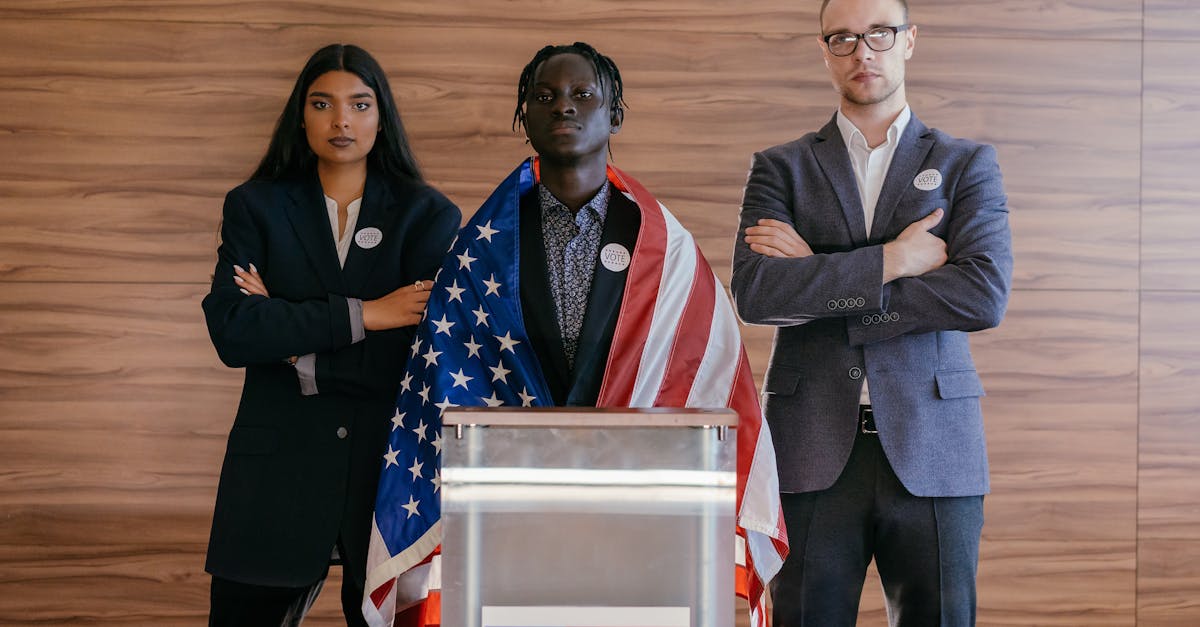
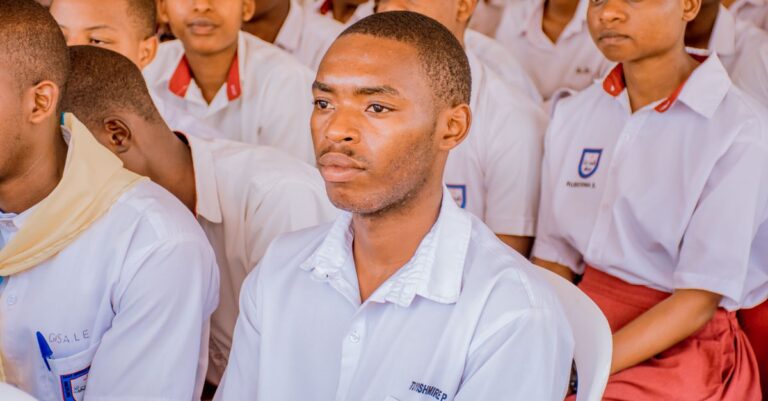
Photo by Mikhail Nilov
When Teenagers Take the Ballot: The Chaotic World of School Board Elections
Imagine a scene: a handful of high schoolers, armed with smartphones and fiery opinions, storm a school board meeting to protest. Sounds like a Netflix drama, right? But in some places, it’s reality. Teenagers are jumping into the political fray, not just by arguing about cafeteria menus but by demanding their voting rights and fighting book bans—sometimes all in the same week.
In a world where voting rights often feel like a distant, complicated distant cousin, these young activists are rewriting the rules—sometimes with a sharp wit and a healthy dose of teenage rebellion.
—
The Rise of Teenage Democracy (and the Voting Rights Paint Job)
It’s no secret that youth activism is surging. According to recent surveys, nearly 60% of high school students are aware of or participating in some form of political protest or activism. These numbers aren’t just a flash in the pan—they reflect a genuine shift among young Americans. Especially when it comes to school board elections, which traditionally drew the attention of a very small, very tired group of local voters.
But why are teens suddenly more involved? Simple. They’re frustrated. They see their rights under threat—not only in the realm of governance but across the community, especially with the rise of book bans and censorship efforts. For many, voting is the ultimate power move—a way to shape policies that impact their daily lives, from what books they can read to what history they learn.
Stats That Make Politicians Blush
- Over the past two years, Census data shows a 25% increase in voter registration among 18 to 24-year-olds, many of whom still consider themselves teenagers.
- Forty percent of teens surveyed said they actively follow local elections, a stark jump from just 15% a decade ago.
- And, perhaps most hilariously, some school districts report losing track of how many students voted when total ballots surpass total registered voters. (Yes, teenagers voting might be more common than some officials want to admit.)
—
Protest, Politics, and the Art of the Slightly Excessive Petition
Teenagers aren’t just voting; they’re protesting—and, often, protesting loudly. When local officials try to ban books like To Kill a Mockingbird* or Gender Queer, these teens show up with signs like “Books Don’t Burn Bright” or “Don’t Cancel Knowledge.” Sometimes, they Photoshop themselves into school board meetings, livestream protests, or even create podcasts debating voting rights versus book censorship**.
One particularly memorable moment involved a group of high schoolers crashing a school board meeting—literally, they barged in, waving signs that read “Read More Books, Censor Less” while live-tweeting the chaos. The bystander effect? Fade away. These kids know the power of social media and use it as their megaphone.
“We’re not just teenagers screaming in the hallways anymore,” one activist told me. “We’re demanding a seat at the table—because if we don’t, who will?”
—
When Voting Rights Meet Book Bans: The Odd Couple
At first glance, voting rights and book bans seem disconnected. One is about democracy; the other about censorship. But if you peer a little closer, they’re two sides of the same coin—who gets to decide what’s important?
In several states, efforts to resist book bans have become intertwined with get-out-the-vote campaigns. Teens are taking up both causes simultaneously, seeing them as part of a larger fight for freedom of expression. After all, how many people forget that the right to vote was, historically, as contentious as the right to read certain books?
And among these spirited campaigns, a recurring theme emerges: “If they can ban books, they can rewrite the vote.” The stakes feel real when your favorite history book gets banned just as your chance to vote on local issues arrives. It’s a clash of concepts—who decides, and how do they decide?
—
The battle lines are being drawn in some of the most unlikely places: high school auditoriums, TikTok feeds, and even in the comments of grassroots memes. Teenagers are stepping up—not just as voters-in-the-making but as political protagonists, challenging the old guard to realize that, in the end, today’s teenagers might be tomorrow’s leaders.
So, next time you see a group of teens protesting or demanding a say in their school policies, remember—they’re not just acting out; they’re activating a political movement that could reshape the very essence of democracy.
And as one young protester succinctly put it:
“We may be young, but we’re loud. And we’re not going away.”

Article orchestrated by Mobstacker’s WP Auto Muse Pro.

This Photo was taken by Mikhail Nilov on Pexels.
About The Author

Did you see that it’s actually becoming more common for teens to get involved in these elections? I remember when I was in high school, politics felt so distant from us. Now they’re out there making a fuss and showing they care. Honestly, I think it’s pretty cool — kids are finally realizing their voice matters. But I wonder if they really grasp all the complexities or if it’s
It’s really heartening to see young people getting involved in politics. I remember when I was that age, I barely knew about how local elections work, let alone that teens could actually participate in some places. It’s exciting to think that future leaders might come from these energetic protests and conversations. Honestly, it gives
It’s about time young people got more involved in these decisions. Honestly, their voice matters just as much as any adult’s. When I was a teen, I rarely paid attention to school board meetings, but now I see how critical those decisions are for shaping our communities. If they’re willing to show up and speak out, why
The increasing involvement of teenagers in school board elections is a fascinating development that reflects a broader trend toward youth engagement in civic matters. It’s encouraging to see young people taking active roles, advocating for issues like education policies and freedom of information. However, this also raises questions about how prepared they are to navigate the complexities of the political
I think the article really overstates the influence of teenagers in school board elections. Sure, they’re vocal online, but their actual impact on voting outcomes is probably minimal. Most teens are still figuring out their own political beliefs and probably lack the experience to navigate complex issues like book bans or school policies. Plus, involving teenagers in political decisions is