
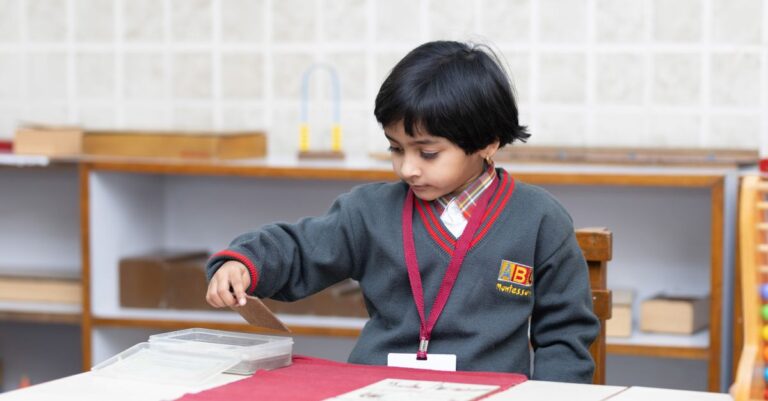
Photo by Seun Adeniyi
When Parents and Teachers Clash: The Homework Tug-of-War
Imagine a scene straight out of a sitcom: a parent wielding a red pen, scrutinizing a teacher’s lesson plan, while the teacher counters with a glare sharper than a #2 pencil. Welcome to the latest chapter in teacher accountability, where what once was a simple debate about homework has ballooned into an all-out tug-of-war—complete with legal disclaimers, international standards, and a hefty dose of American parental zeal.
The Global Stage Meets the Classroom
On the surface, teacher accountability seems like a straightforward issue—are educators doing their jobs? But dig a little deeper, and it’s a cultural showdown. In countries like Finland or South Korea, teachers are revered, with robust government systems and streamlined accountability measures that keep students and teachers on track without parent micromanagement.
Meanwhile, in the United States, the story’s muddier. Parent activism has skyrocketed, fueled by concerns over curriculum content, standardized testing, and—let’s not forget—the desire for control. According to recent data, nearly 60% of American parents believe they play a critical role in shaping educational policies, to the point where some are ready to take legal action if their child’s homework doesn’t meet their standards.
“Parents are not just consumers of education—they’re now part of the process, often wielding their influence like a legal sledgehammer,” says Dr. Emily R. Thomas, education policy analyst.
Legal Eagles and Taxpayer Dollars
What’s fascinating—and hilarious—is how parents justify stepping into the teacher’s domain by citing legal rights and tax contributions. As taxpayers funding public education via local, state, and federal taxes, many parents see a sort of ownership stake in what their kids are learning.
In some heated debates, parents have staged protests outside school boards, demanding transparency and accountability. Others have questioned whether teachers are using their authority responsibly, especially when it comes to assigning homework that parents consider “unfair” or “unnecessary.” And this is where the legal rhetoric gets interesting: some argue that teachers are violating parental rights protected under local statutes or even constitutional provisions—a bold claim that often leads to legal threats or lawsuits.
When Homework Turns into Headaches
The real comedy unfolds when parents enforce their own “homework standards.” Imagine a parent who insists every assignment must be adhesively perfect, or who challenges an extra-credit project on the grounds that it invades family time. Teachers have been known to respond with dry humor, or sometimes, overtly sarcastic remarks.
One teacher shared a story about a parent demanding a detailed rubric for every tiny homework detail—though, to the teacher’s amusement, the parent’s own legal document was full of illegible handwriting and questionable syntax. Sometimes, the power struggles are less about academics and more about control and respect.
The New Frontier: Accountability or Anarchy?
As tensions escalate, some educators advocate for clear standards of accountability that respect both teachers’ expertise and parents’ rights—though defining “accountability” is a moving target. Should teachers be evaluated solely on student test scores? Or should there be broader assessments, including classroom climate and student engagement?
Meanwhile, international comparisons suggest that countries with higher teacher accountability often have better student outcomes. But can America really emulate those models without devolving into a legal free-for-all?
In the end, the homework wars reflect a larger debate about who holds the power in education. And until someone devises a universal, legally binding homework rubric, expect this tug-of-war to continue—perhaps with more parents wielding legal briefs than pens.
Lesson learned: In the great parent-teacher dance, sometimes the best move is to agree that nobody’s perfect—and maybe, just maybe, homework is a shared responsibility, not a battlefield.

Article orchestrated by Mobstacker’s WP Auto Muse Pro.

This Photo was taken by Seun Adeniyi on Pexels.
About The Author





Honestly, this whole portrayal feels like a dramatized exaggeration. Not every parent or teacher is at each other’s throats all the time. Sometimes people just want what’s best for the kids, and framing it as some sort of epic battle is unfair and misleading. The way you described the “red pen” and “sharp glare” just sounds over-the-top and almost comedic. Also, the mention of legal disclaimers and standards—seriously? It’s kids’ education, not a courtroom drama. Parents aren
Seriously? This article just glosses over the real issue here. Parents are not just being overly zealous—they’re rightfully concerned about the amount of homework kids are drowning in! Teachers need to understand that kids are exhausted, and constant assignments are doing more harm than good. We’re not talking about a simple clash but about the health and well-being of children. It’s high time educators stopped dismissing parental concerns as “zeal” and started listening. Frustrating how everyone seems to protect the system instead of the students!
Haha, I swear I’ve seen my mom and my math teacher do this exact dance in my living room. The math teacher with her ruler, mom with her “I pay taxes for this,” line. Honestly, it’s like watching a soap opera but with more sticky notes and less wardrobe change. Maybe they should settle it with a game of rock-paper-scissors—winner gets to decide if I do my
Sometimes I think we forget that the core issue isn’t about homework itself but about trust in our educational institutions. Parents getting involved is understandable but can sometimes undermine teachers’ expertise. Maybe what’s needed is better communication and clearer boundaries rather than a constant back-and-forth. I’ve seen cases where over-parenting actually hampers a child’s ability to learn independence
It’s interesting how something as seemingly simple as homework can turn into such a complex battle. I remember when my mom and my teacher clashed over homework loads, and it honestly felt like a never-ending tug-of-war at the time. Looking back, I think these debates highlight how much parents and teachers want what’s best for kids, even if they approach it differently. It makes me wonder if there’s a way to find common ground without all the legal and standardized fuss — maybe more open conversations could help?