
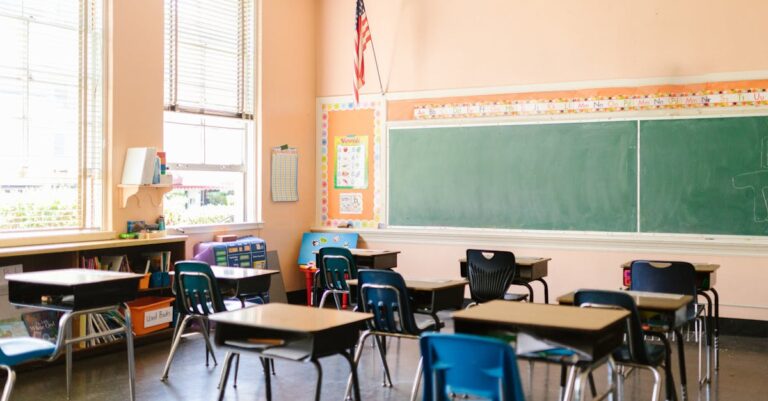
Photo by Artem Podrez
School board meetings don’t happen in a vacuum—yet too many communities treat them like a sealed courtroom. The truth? What gets said (and what gets withheld) can shape student learning, library access, and even whether teachers feel safe doing their jobs. And in North Florida, the unusual stories you hear—about last-minute agenda changes, public comment limits, and mysterious “materials” being reconsidered—often connect to one bigger national trend: book bans.
Here’s what really happens behind closed doors, why it’s happening more often than people realize, and what North Floridians should watch for when the next board meeting rolls around.
The meetings everyone sees (and the part most people don’t)
Most parents show up expecting a familiar routine: updates from the superintendent, budget talk, and a handful of policy votes. Sometimes they get that. Sometimes they don’t.
What can look like “unusual” behavior in the room often comes down to a mix of process and politics—especially when the topic involves student materials.
Common examples people report include:
- Agenda items changing late (or getting reframed with different wording)
- Public comment periods being restricted to tightly defined topics or time limits
- Board packets arriving after the meeting deadline or with supplemental documents posted late
- Votes happening quickly after closed-door discussions
- Proposals that sound mild in public (“policy clarification”) but land like something much bigger in practice (“removal,” “restriction,” or “reclassification”)
In Florida, school boards have authority to handle certain discussions outside the public eye, depending on legal requirements. That doesn’t mean secrecy is automatically improper—it means communities should understand the difference between:
- Closed sessions required by law, and
- Closed-door discussions used to minimize public pressure
And that line matters.
“When public discussion narrows while decisions accelerate, students and families pay the price first.”
Closed-door talk: what boards can legally discuss—and why it raises eyebrows
North Florida districts are not unique in this. School board meetings nationwide include closed-door time for topics like personnel matters, contract negotiations, or certain legal issues. But many residents say the pattern feels different when the issue involves curriculum and library content.
Why? Because book-related controversies don’t just sit in libraries. They touch:
- instructional standards
- student discipline policies
- parent notification requirements
- teacher authority
- and, in some cases, district-level legal risk
So even if a board is discussing “legal guidance” in a closed session, the public impact is often immediate: a book removed from shelves, a list created, or a policy revised that changes what happens next.
Book bans in North Florida: not always called that—often done quietly
Let’s be direct: when books are removed, restricted, or moved into limited-access systems, people experience it as a book ban, even when official language avoids the term.
Across the U.S., the broader landscape has shifted sharply. Reporting from national advocacy and press organizations has documented a surge in challenges since the last few years—often tied to themes of race, sexuality, identity, and trauma. In many districts, the pattern goes like this:
- A parent or advocacy group files a complaint.
- The district reviews the material under policy criteria.
- A board votes on retention, restriction, or removal.
- In some cases, the item doesn’t disappear—it gets relocated (like “only by request” or limited access).
In North Florida, local concerns often include the age appropriateness of specific titles, but the end result can still be the same: fewer books available to students without a special request, parent permission, or classroom-specific rationale.
What stats can tell us (and what they can’t)
People often ask for hard numbers—how many books, how many districts, how many board votes? Here’s the challenge: there isn’t one single dataset that captures every “restriction” decision at the local level. Some removals are reported; others are buried in policy updates or appendix lists.
That said, national figures from major reporting outlets and watchdog groups consistently show:
- increasing numbers of challenges
- a growing share driven by state policy climate
- and frequent focus on school library and classroom reading lists
So even when exact North Florida counts aren’t available in one place, the trend is clear: it’s not random drama—it’s organized pressure meeting an environment where districts are wary of conflict and litigation.
North Florida patterns: what “unusual stories” often mean in practice
When someone tells you they witnessed something “weird” at a meeting, don’t dismiss it. In many cases, the weirdness is part of a playbook.
Here are the patterns North Florida residents frequently describe:
- Short public comment windows paired with long closed-session deliberations
- Board member language that emphasizes “protecting community values” or “parent rights”
- Agenda items changing suddenly or with vague language
- Pressure tactics during public comments or behind-the-scenes negotiations
These tactics often come from a broader chaos at the school board archives that have become a battleground for culture wars. Chaos at the School Board Archives – ProPublica

Article orchestrated by Mobstacker’s WP Auto Muse Pro.

This Photo was taken by Artem Podrez on Pexels.
About The Author






It’s crazy how some local meetings turn into secretive events, almost like a spy thriller instead of a community discussion. I remember when I accidentally stumbled upon a school board meeting and felt like I was in a different world—so much secrecy I half expected
It’s crucial to recognize that transparency in school board meetings isn’t just a procedural formality but a fundamental safeguard for community trust and educational integrity. When agenda items are hidden or abruptly shifted, it undermines the very purpose of democratic oversight. The connection to broader book bans highlights a worrying pattern of controlling information and restricting access to diverse ideas. Such approaches threaten to turn
It’s disheartening to see how often these meetings feel more like secret chambers than forums for genuine community input. My daughter’s school recently faced a similar situation where important discussions were suddenly closed off, leaving many parents feeling powerless. Sometimes I wonder if the system is designed to silence us rather than include us. It’s so frustrating to think that access to books and open dialogue could be sacrificed just to serve some narrow agenda
It’s interesting how the community’s perception of transparency at these meetings can influence overall trust. I wonder if more open dialogue and clearer communication from school boards could help reduce some of the tension and misunderstandings. It seems like addressing concerns directly might make a difference in fostering a more supportive environment for everyone involved.
So basically, school board meetings are like the plot twists in a bad soap opera—just when you think you know what’s happening, suddenly “mysterious materials” appear out of nowhere. Honestly, I half expect them to start passing notes or doing secret handshakes to decide what gets banned next!
Sounds like school board meetings are basically the episode of “Whose Line Is It Anyway?” where the rules keep changing and nobody knows what’s happening next. I swear, if they keep pulling last
It’s interesting how local school board decisions can have such a widespread impact beyond the immediate community. I’ve seen similar situations where agenda items are pushed through quietly or public comments are limited, which seems to undermine transparency. Regarding book bans, I recall reading that they often target specific topics or authors, which can restrict students’ access to diverse perspectives and hinder critical thinking. It’s vital for communities to stay vigilant and advocate for open discussions—those meetings aren’t just
Honestly, I think you’re overstating the impact of these so-called “mysterious materials” and the supposed secret agendas. Sometimes community members just want to have a say without the meeting turning into chaos. Not everything is about a conspiracy or national trend. Maybe if more people focused on constructive dialogue
It’s heartbreaking to see how these meetings, meant to serve the community, often become battlegrounds instead of spaces for honest discussion. I remember when my own town’s library faced a similar situation, and it felt like a piece of our history and freedom was slipping away. Sometimes it feels like the
I dunno, this kinda stuff worries me a lot. I mean, last-minute changes and secret meetings? It just feels like they’re hiding something and that makes me nervous about what’s really going on. Are they gonna ban books because they’re afraid of kids learning the truth? It’s like they’re trying to control what we see and hear, and that’s scary. I hope people wake up before it’s too late and this gets even worse.
Sometimes it feels like no matter how much people protest or try to make their voices heard, the system just keeps shutting us out. I’ve seen friends and teachers worry about losing access to books that matter because
I apologize if my previous comments seemed dismissive or insensitive. I realize now how important transparency and open dialogue are in these school board meetings, especially considering their impact on students and educators. It’s easy to overlook how restrictions or secretive practices can harm the community’s trust and learning environment
Honestly, it’s infuriating how much these meetings are just theater at best and censorship at worst. Feels like the adults are more interested in controlling what the kids are exposed to than actually helping them learn. I’ve seen it firsthand in my own community—agenda items get shifted around, public comments get shut down, and suddenly everything’s a “security concern” just so they can keep their opinions out. And the whole “mysterious materials” thing? Sounds like they’re hiding their true motives. If they cared about education, they wouldn’t be so busy trying to ban books under the guise of “
So basically, school board meetings are like the plot twists of a soap opera, but with more textbooks and fewer commercials? I swear, if I had a dollar for every last-minute agenda change, I’d probably
It’s interesting how you highlight the connection between local school board practices and the broader national trend of book bans. However, I think sometimes there’s an oversimplification of the motivations behind
It’s crazy how much power these meetings hold but how little transparency there often is. I remember when my local school board changed the agenda last minute and it felt like we were just supposed to accept
While I agree that transparency in school board meetings is essential, I think sometimes the focus on “mystery materials” and last-minute agenda changes can be overblown. Not every decision or change is part
Interesting point about how school board meetings are often more theater than real discussion. I’ve seen stuff like that in my own town too, where it feels like decisions are already made before the public even gets a chance to chime in. It’s kinda frustrating, especially when it comes to issues like books and resources — feels like they’re trying to hide what’s really going on. I wonder if there’s a way for ordinary folks to push for more transparency without it turning into a big fight every time
It’s really eye-opening to see how local actions at school board meetings can ripple out and influence larger issues. When communities stay engaged and ask questions, they help hold those in power accountable. I remember when I first started paying attention to these meetings, I realized how much I could do just by showing up and speaking out. It’s a reminder that each of us has a role in shaping a more transparent and inclusive education system. Keep fighting the good fight—our voices really do matter.
It’s interesting how local school board decisions can have such wide-reaching implications beyond the immediate community. I wonder if increasing transparency and public engagement could help address some of these issues. I live in a town where community input is encouraged, and it seems to make a difference in how policies evolve. Also, I read somewhere that involving parents and teachers more openly can sometimes prevent the need for last-minute agenda changes or secrecy around materials. Do you think there’s a practical way for community members to push for more openness in these meetings without risking confrontations?