
What happens when teachers don’t just voice concerns but back their demands with powerful arguments? Across the globe, teacher advocacy is shifting from protests and slogans to well-informed debates that are reshaping education policy. This transformation is making waves not just in local school districts but on international stages, with particular attention to how tax policies fund education and influence teacher working conditions.
The Global Teacher Movement: More Than Just Local Noise
In countries as varied as Finland, Brazil, and the United States, teachers are refusing to accept the status quo quietly. What’s striking is the level of sophistication in their arguments—grounded in data, economic realities, and long-term societal benefits. For example, Finnish educators emphasize the need for investment in teacher training as a public good, highlighting Finland’s top ranking in education worldwide. Meanwhile, American teachers have honed in on tax-related issues, linking adequate funding to fair and progressive tax policies.
America’s Tax Debate: The Crux of Educational Funding
In the United States, education doesn’t exist in a vacuum—it’s deeply connected to how federal, state, and local governments allocate tax revenues. Teacher advocates are spotlighting inequities in school funding that stem from tax structures favoring wealthier districts while leaving poorer communities behind. This inequity is more than a budgetary detail; it directly impacts classroom size, resources, and teacher salaries.
Consider this: demanding higher pay without addressing the tax system that underpins school budgets only scratches the surface. Advocates argue for comprehensive tax reforms, such as closing loopholes and implementing progressive taxation, to create a sustainable and fair funding model for education.
Stories That Resonate: Personal Narratives Amplifying Advocacy
Behind every policy debate is a human story. Teacher advocates use compelling personal stories to put a face on the numbers—stories of exhausted educators who juggle second jobs, students whose potential is stifled by lack of resources, or entire communities struggling to provide basic school necessities.
One powerful example comes from Chicago, where teachers shared vivid accounts of classrooms without heat and overcrowded conditions during union negotiations. These stories gained national attention, turning abstract budget discussions into urgent moral issues. It’s a reminder that facts and data need stories to truly mobilize public support.
International Lessons: What Can America Learn?
The international community offers valuable lessons for teacher advocacy. In countries like Canada and Germany, where tax-funded education systems are more robust, teacher unions work closely with policymakers, engaging in dialogue backed by research and clear economic rationale. These systems demonstrate that advocacy paired with reasoned arguments can lead to stable improvements in education quality without divisive conflict.
American advocates are increasingly looking abroad to strengthen their approach—melding passionate storytelling with carefully constructed economic and social arguments about taxation and funding.
“Powerful advocacy isn’t just about raising voices; it’s about raising facts—and pairing those with the lived experiences that demand change.”
Looking Ahead: Advocacy That Fuels Change
As teacher advocacy grows more powerful, it’s clear that the future of education debates will hinge on informed, multifaceted arguments. Advocates who combine knowledge of international funding models, American tax policy, and compelling personal stories are best positioned to influence lawmakers and the public alike. In this evolving landscape, educators aren’t just fighting for fair pay—they’re championing a vision for education as a cornerstone of equitable societies worldwide.
The conversation is far from over, but the momentum behind thoughtful, evidence-based advocacy is impossible to ignore. It’s a reminder that when passion meets precision, change becomes inevitable.

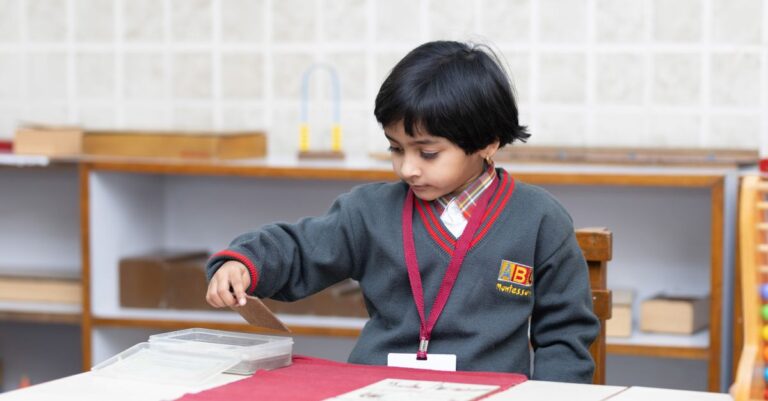
This Photo was taken by Gonzalo 8a on Pexels.
About The Author





Wow, sounds like teachers are really leveling up! I mean, who knew that behind every chalkboard is a bunch of smart cookies ready to debate tax policies and education funding? Next thing you know, they’ll be arguing about whether standardized tests should be replaced by robot teachers (or maybe AI that grades itself 😂). But honestly, good for them — if only politicians took notes, maybe our schools wouldn’t feel like a game of “Survivor” every year. Keep fighting the good fight, educators!