Election Debates Are Stuck in the Wrong Century
Televised debates still dominate the political imagination, but they no longer match the way people actually vote, learn, or engage. A candidate standing at a podium, fielding rapid-fire questions in a tightly controlled studio, may make for good television. It does not automatically make for good democracy.
That mismatch matters even more at the county and local levels, where voters often care less about national slogans and more about property taxes, road repairs, school funding, emergency services, zoning, and public safety. In places like Flagler County, where community issues can be intensely practical and immediately felt, a debate format built for presidential theater can miss the point entirely.
The problem is not that debates are useless. The problem is that they are being asked to do too much with too little context, too little data, and too little connection to the real choices voters face.
A debate should help voters compare governing styles and policy competence — not reward whoever can deliver the sharpest sound bite.
Why the Old Debate Model Fails Local Voters
National debates are already imperfect. At the county and local levels, they become even more limited.
Here’s why:
- Too little issue depth. A 90-minute debate can barely cover budgets, infrastructure, land use, public education, and public safety in any meaningful way.
- Too much performance. Candidates are often rewarded for confidence, pace, and attack lines rather than specifics.
- Too little local knowledge. Voters need answers tied to municipal and county systems, not general political talking points.
- Too little accountability. Once the debate ends, there is often no structured follow-up to verify claims or compare records.
In a place like Flagler, residents are not debating abstract ideology in the same way national audiences do. They want to know: How will this candidate handle stormwater projects? What happens to school capacity as growth accelerates? How will the county manage sheriff’s budgets, road maintenance, and emergency response? Those questions require detail, not choreography.
The current debate format often strips out the very information voters need most.
Local Elections Need Data, Not Theater
One of the strongest arguments for a complete rethink is simple: local elections are measurable.
Unlike national politics, many county and municipal decisions can be tracked against concrete outcomes:
- road conditions
- permitting timelines
- library funding
- public safety response times
- tax burdens
- infrastructure backlogs
- school enrollment growth
- county capital spending
That means debates should not be built around vague promises. They should be built around statistical reality.
For example, a debate in Flagler County should not only ask what a candidate believes about growth. It should ask:
- What do the population growth stats show over the last five years?
- How have building permits changed year over year?
- What is the county’s current infrastructure backlog?
- How do proposed tax changes compare with neighboring counties?
- What do school enrollment projections suggest for the next budget cycle?
This kind of debate would be more demanding, but also more honest. It would force candidates to speak in terms of evidence, not instinct.
And voters would get a clearer picture of who actually understands the job.
Why County Politics Deserve a Better Format
County government is where abstract promises collide with practical limits. It is the level of politics where a candidate can talk about “efficiency” all they want, but still have to answer for the actual numbers.
That is why county debates should be redesigned around three principles:
1. Issue-specific segments
Instead of generic openers and closing statements, debates should be organized around core county responsibilities:
- budgeting and taxation
- land use and development
- transportation and roads
- public health and emergency management
- schools and youth services
- environmental planning
2. Verified facts in real time
Moderators should come armed with county-level stats and independent documentation. If a candidate cites a misleading number, there should be immediate correction. Voters deserve that kind of rigor.
3. Local consequences
Every answer should connect to consequences that residents can actually feel. Not “What is your philosophy?” but “What happens to residents in the next 12 months if your policy is adopted?”
That matters in growing counties like Flagler, where development pressure can reshape housing, traffic, school capacity, and public service demands very quickly. A debate that ignores those pressures is not informing the public. It is entertaining them.
What a Modern Debate Should Look Like
A serious overhaul of election debates would not mean making them longer and duller. It would mean making them smarter.
A modern format could include:
- Pre-debate briefing papers with county and local data
- Candidate record checks that compare promises with past votes
- Short data-driven prompts instead of broad ideological questions
- Audience questions from residents affected by the issue
- Post-debate fact summaries published immediately after the event
- Follow-up scorecards showing which claims held up over time
This is especially important in elections where turnout is often driven by familiarity rather than information. Many local voters do not have the time to study every race in depth. Debates should do more of that work for them.
A well-designed county or local debate can become a civic tool rather than a media event.
Flagler Shows Why the Stakes Are So High
Flagler County is a useful case study because it reflects the tensions many fast-growing communities face: managing growth, preserving quality of life, keeping services responsive, and making sure local government keeps up with change.
When population patterns shift, the political questions shift too. That is why stats matter so much. Growth rates, school projections, emergency service demand, road usage, and housing affordability are not side issues. They are the story.
A serious debate in Flagler should help voters understand:
- where growth is happening
- which services are under strain
- what the budget can realistically support
- whether proposed solutions match the scale of the problem
Without that, the debate becomes a contest of personality. And personality is a poor substitute for governance.
The Bottom Line
Election debates need a complete rethink because the current model is built for drama, not decision-making. That may be tolerable in national politics, where spectacle has long been part of the game. It is not good enough in county and local elections, where the stakes are concrete and immediate.
If debates are going to matter, they need to become more grounded in local facts, county-level statistics, and the lived realities of places like Flagler. Voters do not need more stagecraft. They need clearer answers, better comparisons, and a format that treats public office as a job requiring competence, not just confidence.

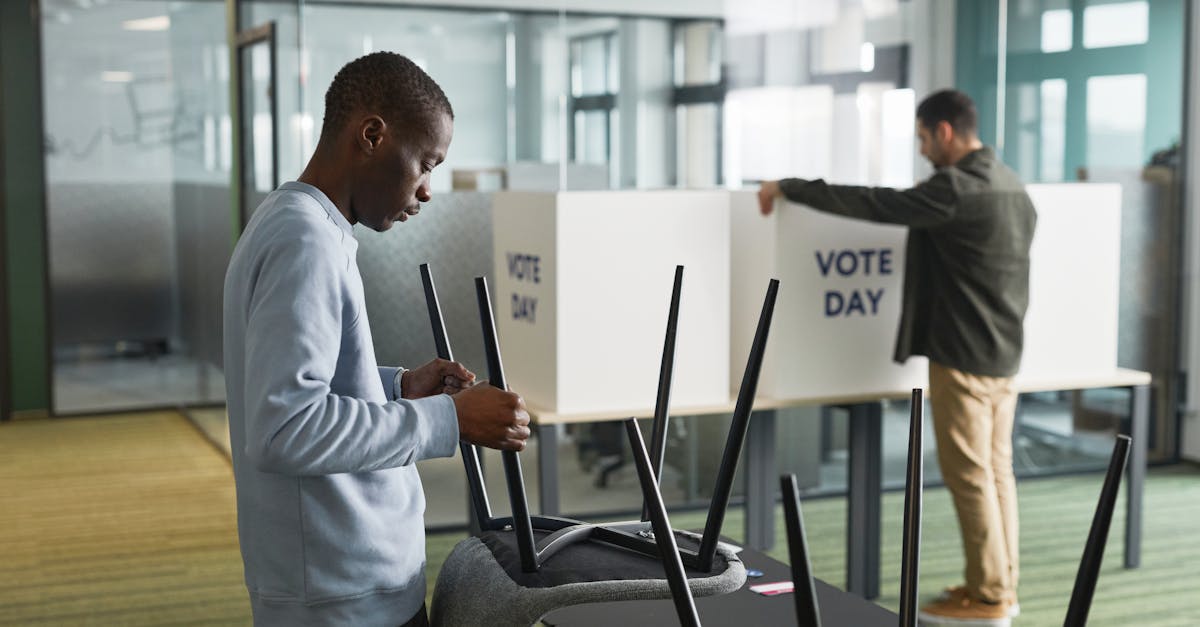
This Photo was taken by Edmond Dantès on Pexels.
About The Author




Wow, this hit home! I mean, honestly, who *really* watches those debates and goes, “Wow, that candidate totally changed my mind”? Most of us just wanna