
Why School Board Elections Suddenly Matter More
A school board race used to be the kind of election many voters barely noticed. Not anymore. In counties across the country, school board elections are now drawing sharper attention, louder debates, and far more turnout than they did a decade ago. The reason is simple: these contests have become a direct battleground over what schools should teach, how they should spend money, and who gets to decide what is best for children.
That shift is especially visible in places like Clay County, where community conversations about schools have grown more intense and more personal. What once felt like a low-profile local race now sparks strong opinions at kitchen tables, in church parking lots, and across social media feeds. Parents, teachers, taxpayers, and students all see the stakes differently, but nearly everyone agrees on one thing: the decisions made by a school board shape daily life in powerful ways.
The New Energy Around County School Politics
At the county level, school board elections often reflect a deeper tension between local values and public education priorities. A county school board does not simply manage buses and budgets. It influences curriculum choices, discipline policies, staffing decisions, and long-term planning for classrooms that serve thousands of children.
That is why controversy has become such a powerful force in these elections. Candidates are no longer judged only on experience or fiscal discipline. They are asked where they stand on book selection, testing, student support services, and family involvement. In many counties, the debate has become less about paperwork and more about identity.
In Clay County, that dynamic has made school board contests unusually compelling. Voters want leaders who will listen, but they also want someone willing to draw firm lines. The result is a race defined by intriguing arguments—the kind that force communities to think hard about what they value most in public schools.
Why Controversy Is Pulling More Voters In
Controversy is often treated as a problem, but in school board elections it can also be a sign of civic engagement. People do not argue loudly about schools unless they believe schools matter. That is a hopeful thing, even when the conversations are difficult.
The strongest arguments in these races usually center on a few recurring issues:
- Curriculum and instruction: What should students learn, and who decides?
- Budget priorities: Should money go first to salaries, facilities, or new programs?
- School safety: What measures actually make schools safer without making them feel less welcoming?
- Parent involvement: How much influence should families have in classroom and policy decisions?
- Community trust: How can boards respond when residents feel unheard?
These are not abstract questions. They touch real classrooms, real teachers, and real children. When a candidate speaks clearly on these subjects, voters pay attention. When a board avoids them, frustration grows.
The most powerful school board candidates are often not the loudest, but the ones who can explain hard choices without dismissing anyone’s concerns.
Clay County and the Power of Local Stakes
What makes Clay County especially interesting is how local the conversation remains. County residents are not debating a distant education agency. They are talking about the schools their children attend, the buses that run through familiar neighborhoods, and the teachers they see in grocery stores and ball fields.
That local connection gives school board elections their force. A county election can feel more immediate than a state or national race because the outcome shows up quickly and visibly. A new board majority can influence:
- class sizes
- teacher retention
- reading and math support
- facility upgrades
- student discipline policies
When people in Clay County argue passionately about schools, they are really arguing about the future of their community. That can create tension, yes, but it can also sharpen public awareness. More residents are reading candidate statements, attending forums, and asking questions they may have ignored in the past.
What Makes These Elections Worth Watching
The most interesting school board elections are the ones that force a community to define itself. Do voters want cautious continuity or bold change? Do they expect boards to follow public pressure closely, or to lead even when doing so is unpopular? How much should county traditions shape school policy?
These questions do not come with easy answers. That is exactly why they matter.
For public schools, the rise of intriguing arguments in board races can be healthy if it leads to more transparency and better participation. Parents become more informed. Candidates are pushed to explain their ideas. And school systems gain leaders who are chosen by a more engaged electorate.
The controversy may be uncomfortable, but silence is worse. A county that cares enough to debate its schools is a county still invested in its future.
School board elections are no longer quiet contests at the edge of civic life. They are where communities decide what kind of public schools they want to build—and who they trust to lead them there.

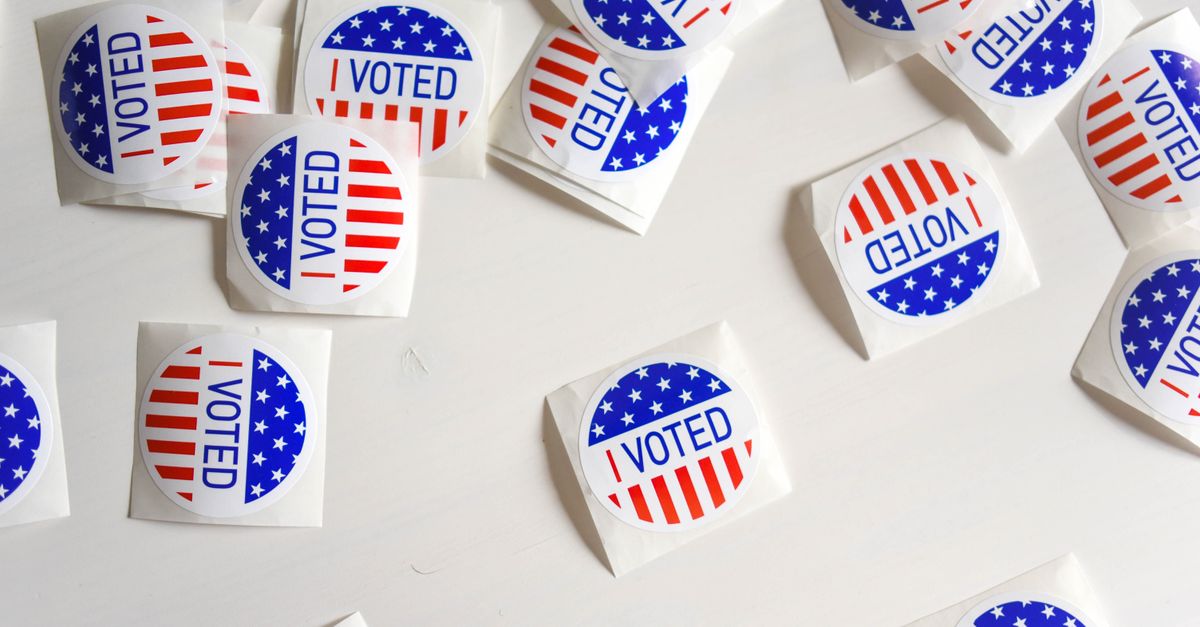
This Photo was taken by Esra Korkmaz on Pexels.
About The Author


Wow, this really hits home. I never thought school board elections would be such a big deal but now it’s like a microcosm of the larger political fight. Education is the foundation of our future and who controls what gets taught and spent is super powerful. It’s crazy how something that used to be pretty local and quiet is now so heated, but honestly, it’s important because it affects kids’ lives daily. We gotta stay informed and involved because these
Wow, this post really opened my eyes. I never really thought about how school board elections have become such a crucial part of our community’s future. It’s like every decision they make now directly impacts our kids’
Wow, this really hits the nail on the head! It’s inspiring to see people waking up and realizing how important these local elections are. I think when more folks get involved, it can only lead to schools that truly serve students and communities better. It’s like, every voice counts, and maybe this push for more engagement will eventually make education more fair and balanced. Hopeful that we’re moving in the right direction!