
If you’ve been sleeping under a rock—or, better yet, just tuning out the endless political noise—you might have missed the latest uproar in education policy circles. Apparently, public schools are so last century, and now everyone is rushing to embrace the dazzling new world of school choice. Who knew that letting families pick and pay for their own schools would become the hottest ticket in education town?
School Choice: The New American Dream?
In America, where everything from healthcare to coffee comes with a branding war, education hasn’t escaped the trend. The surge in school choice rallies across the nation isn’t just a sign that parents want better options; it’s a manifest destiny for education freedom! Vouchers, charter schools, and tax credit scholarships are all becoming the darlings of taxpayers who’d rather see their hard-earned money flow into private institutions than “waste” it on public school bureaucracy.
Don’t get me wrong—this wave of enthusiasm for school choice is almost refreshing. After all, who doesn’t want to pay taxes that are then funneled directly into the arms of private enterprises? Budget cuts in healthcare programs are bad enough, but if we can redirect some of that money into schools that might or might not adhere to standardized education and health guidelines, well, isn’t that just a win?
International Reactions: Americans Doing It Their Way
While many countries focus on improving public education systems, America doubles down on the “choose your own adventure” approach. Countries like Finland, which consistently top global education charts, fund their schools publicly to ensure equity and quality. Meanwhile, the U.S. is hosting rallies that sometimes feel more like marketing expos:
- Crowds chanting for more vouchers and tax credits.
- Politicians promising to shrink the government role in education.
- Private school advertisements popping up next to calls for reduced taxes.
It’s almost as if education is now a luxury product tailored to individual pockets rather than a universal right.
Taxpayers: The Unwilling Guests at the Education Buffet
Just think about the irony here. You pay your taxes so that public schools can educate the masses. Now, with school choice gaining momentum, those same dollars often end up as subsidies for private and charter schools. Meanwhile, public schools—already strapped for cash—face deeper cuts, putting health services, special education, and even basic maintenance on the chopping block.
And let’s not forget health. School nurses and wellness programs, essential parts of a thriving school environment, are unevenly funded depending on where the money flows. Public schools have to juggle these responsibilities with shrinking budgets, while private options may cherry-pick healthier, more resourceful students.
“Every dollar diverted from public schools is a dollar not invested in community health and equity,” says education watchdog Dr. Linda Martinez. “The school choice craze forgets the societal cost of abandoning public education.”
The Real Question: Who Benefits?
School choice protests and rallies may paint a picture of grassroots empowerment, but who truly comes out ahead? Private school companies, education product vendors, and political operatives with a stake in cutting government spending? Or families who manage to navigate an increasingly complex and expensive landscape to find fitting education for their children?
The truth might lie somewhere in between, but don’t expect the debate to settle anytime soon. Because if there’s one thing America loves more than eating fast food or binge-watching TV, it’s arguing about how the next generation should be educated—especially when tax dollars and health outcomes hang in the balance.

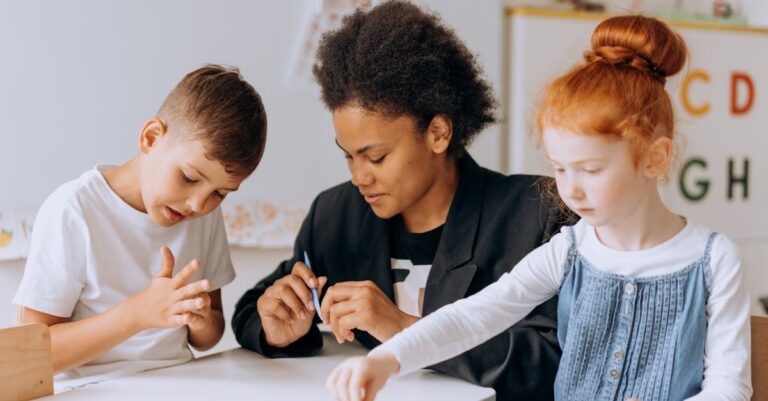
This Photo was taken by Mathias Reding on Pexels.
About The Author



Wow, this is such an interesting take on the whole school choice movement. It’s true that things are changing so rapidly, and I think a lot of folks are just trying to figure out what works best for students and families. I personally believe that giving parents more options can be a good thing, as long as it’s done thoughtfully and equitably. At the end of the day, the goal should be making sure every kid has access to quality education, no matter their background. Thanks
Wow, this is such a wild shift! On one hand, I get why folks are excited about school choice — more options, more competition, maybe even better schools? But then again, I worry about the whole idea of splitting communities and leaving some kids behind just
Wow, this post really got me thinking! I love how the conversation is shifting towards giving families more say in their kids’ education—like, finally! It’s so exciting to see options opening up and more freedom for parents to choose what’s best for their children. Honestly, the idea of school choice feels like a step into a brighter future where education is tailored to each student’s needs. Thanks for sharing this—it’s definitely a topic I’ll be keeping an eye on!
Wow, what an interesting perspective! It’s true that the education landscape is rapidly evolving, and the emphasis on school choice reflects a broader desire for personalized learning experiences. While I understand the appeal of giving families more options, I also wonder about the potential implications for equitable access and school funding. Sometimes in pursuit of innovation, we might overlook the foundational issues that need addressing. Nonetheless, it’s fascinating to see how these debates shape the future of education—definitely a topic worth watching!
Wow, this is such an eye-opener! I love how the conversation around school choice is really gaining momentum. It’s like finally giving families the power to decide what’s best for their kids instead of a one-size-fits-all approach. I think