Public schools aren’t just dealing with learning gaps and staffing shortages anymore—they’re getting pulled into a recurring storm of school board controversies. And parents, already exhausted by pandemic-era disruptions and budget crunches, are pushing back harder each time. Across the United States, district governance has become a flashpoint: candidates and officials trade accusations, policies get rewritten midstream, and legal fights spill into courtrooms—while classrooms wait for stability.
What’s striking this round is how familiar the pattern feels, even as the details vary from city to city. One board meeting goes viral, a new policy is challenged, a vote is overturned or delayed, and then everyone asks the same question: how did we get here again?
A familiar American script—played faster
School board controversies in America tend to follow a recognizable arc. A controversy starts as a local dispute—often over curriculum, student rights, book access, disciplinary rules, or mask and health policies. Then it escalates as groups organize quickly, media attention amplifies outrage, and board members become targets rather than decision-makers.
Parents get caught in the middle. Some feel boards are moving too fast or responding to outside political pressure. Others feel boards are stuck, ignoring what they see as urgent problems. Either way, the public perception is that districts are spending time, money, and political capital on fights rather than instruction.
And because school boards operate in public and elections are high-stakes, conflicts rarely stay “local” for long. National advocacy networks weigh in. Social media turns district meetings into spectacles. Legal threats and lawsuits arrive like clockwork once policies are adopted.
The international angle: local fights with global fuel
Even though these disputes are happening in U.S. school districts, the forces behind them often don’t originate there. Internationally, polarization in politics, culture wars about education, and debates over misinformation or censorship have become global talking points. American school board fights frequently mirror international themes—questions about who controls education narratives, whether schools should remain neutral, and how governments should protect or restrict different kinds of speech.
That international connection doesn’t mean foreign governments are steering every district. It means the language of the controversies travels. Concepts like “protecting children,” “parental rights,” “academic freedom,” “gender-related policies,” and “religious liberty” get reframed through different cultural lenses and then imported into U.S. district debates—sometimes through advocacy groups, sometimes through online communities, and sometimes through coordinated messaging.
In other words: the legal battles may be filed in American courts, but the arguments are shaped by wider currents of political and cultural conflict.
Legal fights: when school policy becomes litigation
The legal dimension is the part that most directly fuels parent fury, because it turns school governance into an extended legal process. Once lawsuits begin, districts often have to pause, revise, or defend policies—sometimes while classes move forward without the clarity families want.
Common legal flashpoints include:
- Curriculum and instruction challenges: lawsuits alleging policies violate state standards, constitutional protections, or established educational requirements.
- Student rights claims: disputes over how schools handle issues like harassment, discrimination, or access to programs.
- Book and content disputes: claims related to the First Amendment, state education laws, or alleged violations of students’ rights.
- Special education and disability accommodation: disagreements over whether districts comply with federal obligations.
- Election and governance claims: allegations about board procedures, transparency, open-meeting violations, or conflicts of interest.
When parents see board members repeatedly vote in ways that trigger legal injunctions, they often conclude the system is broken. They’re not wrong to notice patterns: litigation becomes the mechanism of “correction,” meaning policy decisions don’t settle through ordinary governance—they get decided through courts.
That’s a slow, expensive, and frustrating process for families.
Why parents are furious right now
This latest wave of controversy is landing at a time when trust is already fragile. Many families are dealing with:
- Chronic staffing shortages and burnout
- Rising costs and tighter budgets
- Lingering academic disruption
- Concerns about safety and student mental health
- A sense that school leaders are not fully accountable to classroom realities
So when parents watch board meetings turn into partisan theater—followed by lawsuits and policy reversals—they see it as neglect. Not just political conflict, but the prioritization of political wins over student needs.
There’s also a more personal frustration: parents feel that they’re forced to pick sides in fights that are supposed to be about education. When a district becomes the stage for national campaigns, school board elections stop being local decisions. They become identity contests.
And those contests don’t end neatly. Even when a lawsuit results in a ruling, the political pressure often continues, pushing the next controversy into motion.
Stories from the field: what families are experiencing
The details vary by district, but the stories often sound the same. Parents show up to meetings with stacks of notes, prepared to discuss specific classroom issues—only to watch the agenda dominated by culture-war policy questions. Others describe feeling judged by their comments: if they ask for transparency, they’re labeled one way; if they oppose a policy, they’re labeled another.
In some cases, parents claim board decisions ignore practical constraints. In others, they argue that boards are “reacting” to outrage rather than making careful decisions. Either way, the relationship between families and governance deteriorates quickly once the controversy becomes media-driven.
Many families also report a side effect that rarely gets acknowledged: uncertainty. When policies are constantly in flux—books pulled, guidelines revised, rules rewritten—teachers may struggle to implement consistent practices. Students pick up on the instability, and parents become even more anxious about what changes tomorrow might bring.
The result is a cycle: controversy breeds legal challenges; legal challenges breed more controversy; and the district spends time defending itself instead of improving learning conditions.
What the system can’t afford: endless governance wars
School boards are supposed to be a balancing act: setting policy, overseeing budgets, and ensuring districts meet legal obligations. They aren’t meant to be permanent battlegrounds. Yet the current environment makes school governance increasingly reactive.
Legal outcomes matter, but they don’t always calm communities. A court ruling can settle one question while leaving the political conflict intact. Meanwhile, families keep paying the price with instability, confusion, and extra emotional labor.
If America is going to stop repeating these cycles, school boards will need both structural and cultural changes: better guardrails for policy deliberation, more transparent decision-making, and a shift toward predictable procedures that reduce the chances of costly litigation.
The immediate problem, though, is political escalation. When school board controversies become a national proxy fight, local families are left holding the bill—financially and emotionally.
Parents may be furious because they can see the opportunity cost. Every minute spent debating governance conflicts is a minute not spent on tutoring, hiring, building safety programs, updating curriculum properly, or supporting teachers in the classroom.
And as long as school board seats remain prime targets for broader political battles, the next round of controversies won’t be a surprise. It will be a predictable consequence.
If you want, tell me which state or city you’re focused on, and I can tailor the article to the most relevant recent board fights and the legal claims that typically follow them.

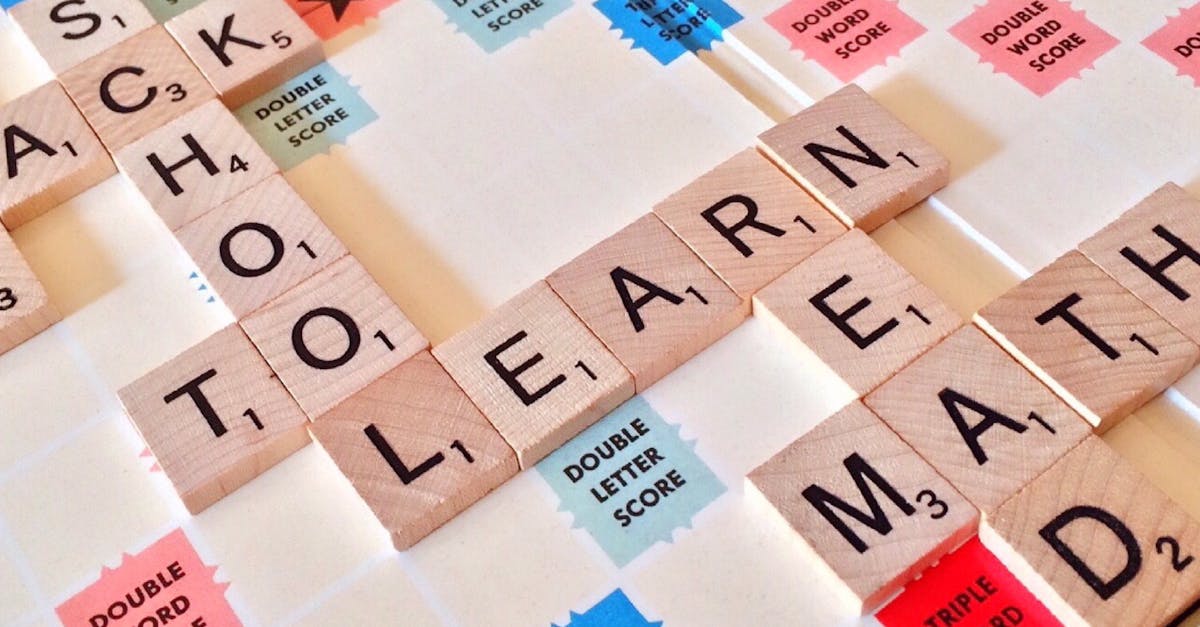
This Photo was taken by Pixabay on Pexels.
About The Author





Wow, this really hits close to home. It’s so frustrating how our schools are caught in this never-ending cycle of controversies and politics. I totally get why parents are exhausted—many of us just want a safe, stable place for our kids to learn without all the chaos. It’s like every time we think things might
Wow, this really hits home. It’s so encouraging to see how parents and communities are standing up for better schools despite all these challenges. I truly believe that strong local involvement can make a big difference in creating
Wow, this really hits home. I feel like the whole school system is caught in this never-ending cycle of drama and upheaval. It’s like, teachers just want to focus on teaching, but the politics keep getting in the way. I totally get why parents are exhausted—after all the chaos during the pandemic, it’s like, can we just get some stability already? Also, it’s crazy how quick policies seem to change now, almost on a whim. Hope things settle down soon so the kids can actually thrive without all this noise
Wow, this really hits home. It’s a complex issue that goes beyond just funding or curriculum — it’s about community trust and the fundamental role of schools. I think one thing that often gets