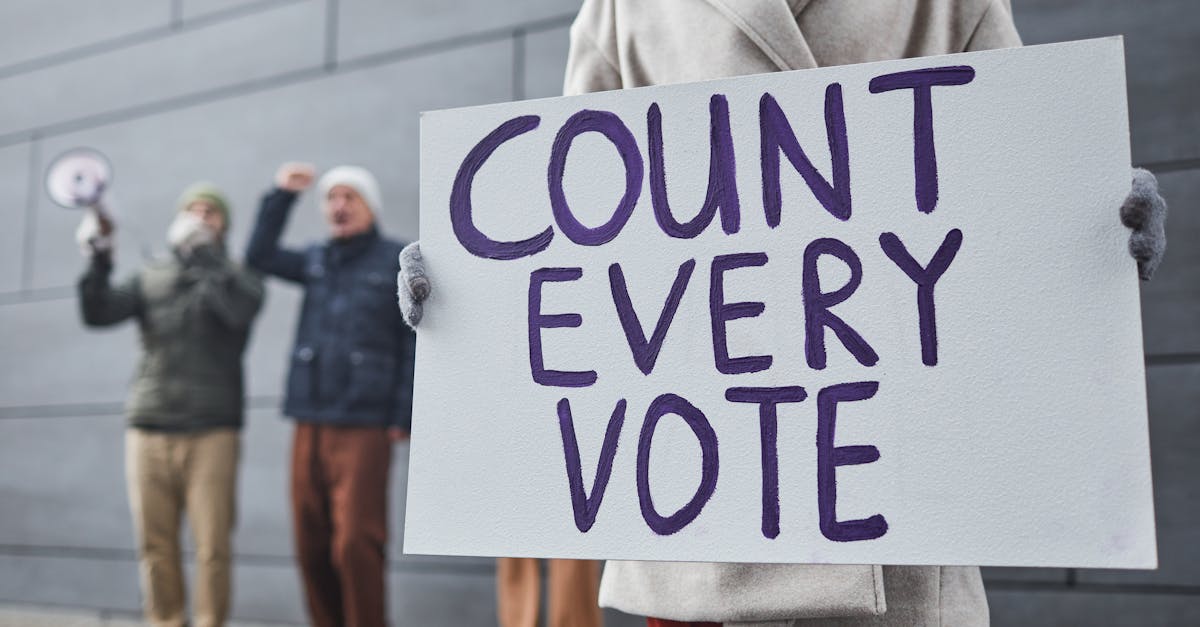
Voter suppression isn’t just a slogan; in too many places it’s a practical system—built from rules, paperwork, lines, and intimidation—that turns elections into obstacles instead of opportunities.
Across Florida’s counties, including Flagler County and St. Johns County, the fight over voting isn’t abstract. It shows up in how long ballots take to reach people, how easily eligible residents are pushed out of the process, and how aggressively election administration can be used to “manage” turnout. The political point is straightforward: democracy depends on participation, and participation depends on access. When access is blocked or chilled, the result isn’t merely low turnout—it’s a distorted outcome.
Here are 14 life-changing arguments that show how voter suppression steals democracy, with attention to the politics of how it plays out in Flagler and St. Johns.
- Democracy requires equal access, not just equal rights
A right on paper is not the same as a right in practice. If registration deadlines, ID requirements, or “reasonable” administrative procedures disproportionately affect certain voters, equality becomes performative. Politics works through rules, and suppression works by making the rules harder for some people than for others—turning “equal” into unequal reality.
- Long lines are not neutral when they change outcomes
Lines function like a tax on time. If waiting times predictably harm voters with jobs, caregiving responsibilities, disability needs, or limited transportation, then the line becomes a political weapon. That matters in counties where turnout swings by precinct, and where even small shifts can determine close races.
- Purges and “cleanups” can become quiet disenfranchisement
Voter roll maintenance is supposed to prevent fraud and errors. But suppression thrives when “maintenance” becomes a broad brush that removes eligible voters. The politics here is cynical: the burden of proving you belong is shifted onto voters who already did everything required. In county elections, where local admin decisions carry enormous weight, a purge can remove the very people a candidate would need to win.
- Procedural confusion functions like intimidation
Voters don’t need a hostile sign outside a polling place to be discouraged. If websites crash, instructions conflict, forms are hard to find, or mail ballots are confusing, many people will simply give up. Suppression often looks like bureaucratic clutter. The effect is psychological and practical: uncertainty makes eligible voters miss deadlines.
- “Poll-watching” and harassment can deter voters without overtly breaking laws
Election integrity is a legitimate concern; intimidation is not. When aggressive watchers create a climate of suspicion—especially toward certain communities—people can feel unsafe, even if no physical harm occurs. Politics is about power, and voter suppression can be accomplished by making voting feel risky.
- Closures and reduced polling resources shrink representation
If a county limits the number of sites or reduces staffing, the impact lands unevenly. Rural and suburban areas may get less capacity, even as demand rises. In Flagler and St. Johns, growth and shifting demographics put pressure on election systems. Suppression doesn’t always require banning voting—it can come from under-resourcing on purpose or failing to prepare for predictable turnout.
- Cutting early voting shortens the window for working people
Early voting isn’t a luxury; it’s built for reality—shift work, family obligations, illness, travel, and the logistics of casting a ballot. When early voting is reduced or made harder to access, the people most likely to be penalized are those with less scheduling flexibility. That’s a political calculation disguised as policy.
- Absentee and vote-by-mail rules can be weaponized
Vote-by-mail can expand access, but strict rules can also create failure points: signature mismatches, cure deadlines that arrive before people even notice issues, witness requirements that don’t fit modern life, and confusing instructions. Suppression works by turning a system meant to reduce barriers into one that produces preventable rejection rates.
- Gerrymandering and suppression travel together
When districts are redrawn to concentrate certain voters, the political incentive to suppress becomes stronger: the less competitive an area becomes on paper, the more likely election administration will be used to further tilt outcomes. Suppression and gerrymandering are different tools, but they operate toward the same end—reducing the ability of voters to change power.
- The burden of proof is shifted onto the voter, not the system
A fair democracy asks the government to ensure access and reliability. Suppression flips the logic: it requires citizens to constantly verify themselves under threat of removal. In county administration, this means eligible residents must navigate procedures that are difficult even for people with high levels of civic literacy—let alone those facing language barriers, unstable housing, or limited internet access.
- Mismatched information and last-minute changes produce preventable mistakes
Election rules can be changed or applied unevenly, and confusion spreads fast—especially in communities with limited access to reliable news sources. When counties announce updates late or provide inconsistent guidance, voters suffer. In politics, confusion is not an accident; it often benefits the side already positioned to win.
- Disproportionate scrutiny becomes selective enforcement
If one group’s eligibility is questioned more intensely, the system becomes less about accuracy and more about control. The political mechanism is selective enforcement: challenges that drain time and resources from certain voters while others sail through with minimal interference.
- Local power matters: county administrators shape the lived experience of democracy
In practice, voter suppression often isn’t a single national headline—it’s a set of local decisions: how instructions are written, how hotlines operate, how quickly provisional ballots are handled, and how problems are communicated. Flagler and St. Johns voters experience these choices directly. That’s why local elections and local administration are central to the politics of democracy: administrators translate policy into barriers or access.
- The stolen part is not just votes—it’s legitimacy
Even when courts or oversight bodies intervene, suppression can leave a residue of distrust. When voters are turned away, delayed, or made to doubt whether their ballot will count, the damage goes beyond election night. Democracy requires faith that participation matters. Suppression steals that faith, making citizens disengage permanently—an outcome political actors benefit from long after the ballots are counted.
Politics, at its core, is about who gets to influence collective decisions. Voter suppression distorts that influence by engineering friction—using rules, resources, and enforcement to produce predictable results.
Flagler and St. Johns voters deserve elections that treat them as participants, not problems to be managed. If democracy is supposed to reflect the people, then barriers that predictably reduce the power of certain voters aren’t “administration.” They are a political strategy—one that turns the fundamental act of choosing leaders into a hurdle race designed to decide who wins before ballots are counted.

This Photo was taken by Edmond Dantès on Pexels.
About The Author




Wow, this really hits home. Voter suppression is basically a silent barrier that undermines democracy at its core. It’s not just about making voting harder; it’s about stripping away the fundamental right to participate. We gotta stay vigilant and push back against these tactics—every vote counts!
Wow, this really hits home! Voting should be like a fun game, but too often it feels more like a complicated maze. I mean, who thought making ballots hard to get or intimidating voters was a good idea? We all just want to make our voices heard, not jump through hoops! Anyway, thanks for shining a light on this stuff — hope more folks see how important it is to keep voting accessible and fair. 🎉🗳️
Wow, voting sounds like a really intense game of hide and seek—except instead of hide and seek, it’s hide and “don’t let you vote.” 😂 Who knew democracy came with so many hurdles? I guess