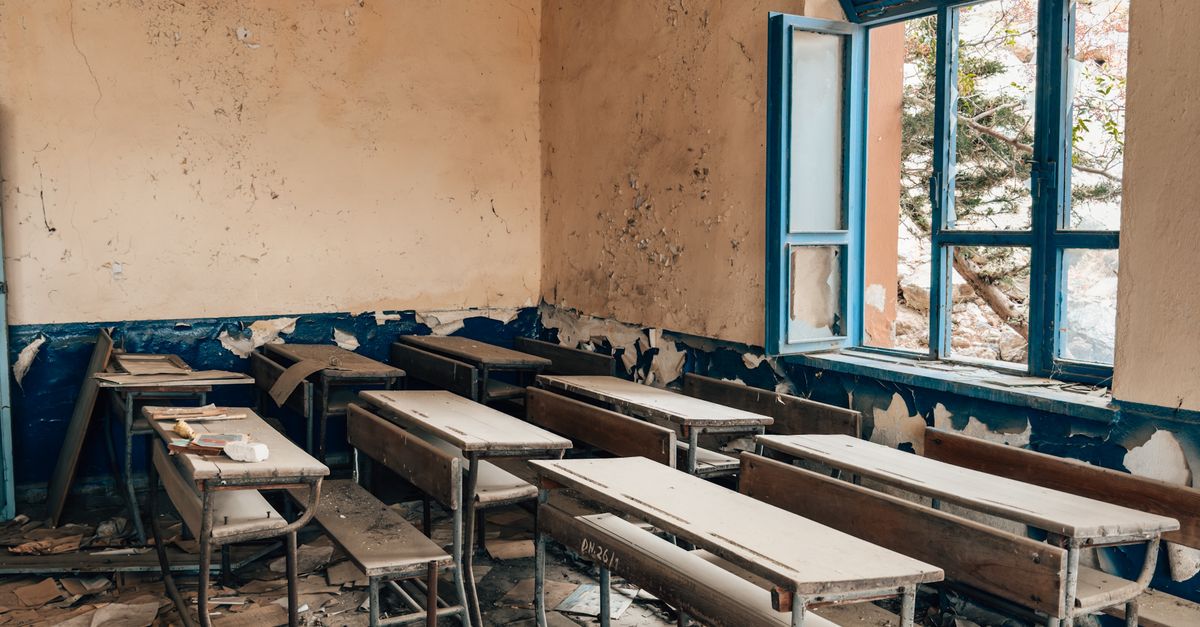
Photo by Markus Spiske
The Fight Over Teacher Salaries Is Really a Fight Over What School Is Worth
Teacher pay is one of those issues politicians love to praise and budget writers love to squeeze. That contradiction is no accident. Across America, school boards are being asked to do more with less while classrooms absorb the fallout: larger class sizes, burnout, turnover, and a shrinking pool of qualified applicants. The result is not just a staffing problem. It is a credibility problem.
At the center of it all are school boards that sometimes make decisions so disconnected from classroom reality they seem almost unthinkable. They approve symbolic raises that barely keep pace with inflation, or they stall negotiations while insisting they “value educators.” Teachers hear the message clearly: appreciation is cheap, compensation is negotiable.
If a district cannot pay teachers a living wage, it should not pretend it is protecting the future of children.
America’s Teacher Pay Problem Is Not Accidental
The United States has spent years treating teacher salaries as a local inconvenience instead of a national priority. That approach has produced predictable results. Many districts now struggle to hire and keep experienced teachers, especially in math, science, special education, and rural schools. New teachers often leave within five years, not because they lack commitment, but because commitment does not pay rent.
The numbers vary by state and district, but the pattern is consistent: pay fails to match the demands of the job. Teachers are expected to manage academics, behavior, mental health concerns, family communication, testing pressure, and paperwork. Yet in too many places, their compensation still looks like a relic from another era.
What makes the debate so heated is that teacher salaries are tied to values. When a district funds athletics, administration, consultants, and legal battles more generously than classroom instruction, people notice. They may not say it politely, but they understand the message.
The real cost of underpaying teachers
- High turnover disrupts learning and weakens school culture.
- Hard-to-fill vacancies push districts to rely on substitutes or emergency certifications.
- Lower morale affects instruction and student support.
- Recruitment suffers when salaries are uncompetitive with other professions requiring similar education.
International Comparisons Expose How Low the Bar Has Been
The argument for better teacher pay becomes even harder to dodge when viewed internationally. In many developed countries, teaching is treated as a stable profession with clearer pay scales, stronger social status, and better retention. That doesn’t mean those systems are perfect. It does mean they often understand something the U.S. still resists: if you want skilled professionals, you must compensate them like skilled professionals.
Across international comparisons, countries that invest more consistently in educators tend to experience less churn and greater prestige around teaching. Teachers are not forced to justify their occupation as a “calling” while simultaneously being paid like an afterthought. The profession is respected materially, not just rhetorically.
This matters because global competition is no longer abstract. A country that underpays teachers undermines its own future workforce. Students trained by exhausted, under-resourced educators do not magically outperform peers in places where teachers are better supported. The pipeline starts in the classroom, and the classroom starts with the adult at the front of it.
Stories From the Classroom Tell the Truth Better Than Press Releases
The most powerful evidence is often not a spreadsheet. It is a story.
A veteran teacher leaving after 18 years because her second job finally paid more. A young science teacher walking away after one brutal contract cycle. A rural district unable to replace retirees because nearby industries pay significantly better. These are not isolated anecdotes; they are a pattern repeated in different accents, zip codes, and budget meetings.
And the science backs it up. Research consistently shows that teacher stability matters for student achievement, school climate, and long-term learning. Experienced teachers tend to be more effective, especially in schools serving high-need populations. When salaries are too low to retain them, districts don’t just lose talent. They lose continuity, institutional memory, and trust.
That is why the salary fight is not merely about adult wages. It is about whether schools can keep the people who know how to help children learn.
What Real Reform Would Actually Look Like
Fixing teacher pay is not mysterious. It is difficult, politically painful, and financially significant, but not mysterious. Serious reform would include:
- Competitive starting salaries that can attract graduates with other options.
- Regular cost-of-living adjustments so raises are not erased by inflation.
- Pay pathways for experience and expertise, not just longevity.
- Incentives for shortage subjects like science, special education, and bilingual education.
- Transparent budgeting so communities can see where money goes.
Districts also need to stop treating teacher compensation as an isolated line item. Salaries should be discussed alongside retention, student outcomes, staffing shortages, and equity. If the board can fund a public relations campaign, it can explain a wage schedule. If it can find money for consultants, it can find money for the classroom.
The Bottom Line
The truth about school boards and teacher salaries is blunt: too many leaders ask educators to carry the moral weight of the system while denying them the financial support that makes the job sustainable. That is not prudence. It is neglect dressed up as fiscal responsibility.
America does not have a teacher gratitude problem. It has a teacher compensation problem. And until boards, lawmakers, and voters treat salary as a core investment rather than a reluctant concession, the staffing crisis will keep coming back under a different name.
Teachers cannot be expected to build the future while being paid as if the present is a hobby.

Article orchestrated by Mobstacker’s WP Auto Muse Pro.

This Photo was taken by Markus Spiske on Pexels.
About The Author