
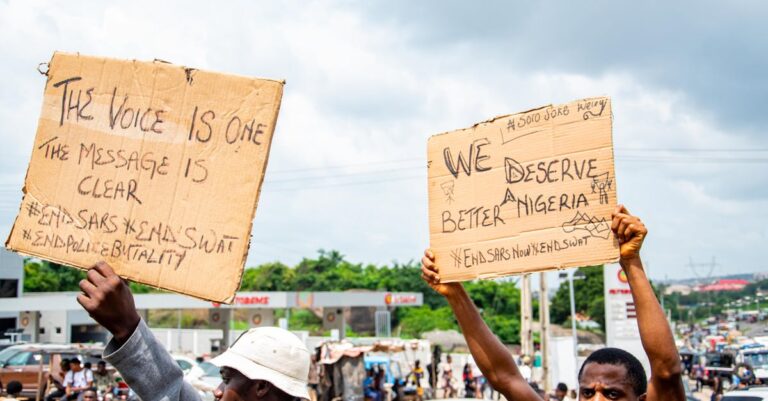
Photo by shutter Rwanda
The New Education Policy, Brought to You by the Kids
Nothing says “please take this protest seriously” quite like a chorus of students suddenly becoming instant policy analysts. Teachers are walking out over pay, staffing, burnout, and crumbling school systems, and somehow the loudest commentary often comes from teenagers who learned the phrase “both sides” yesterday.
To be fair, students are not the enemy here. They are usually the ones stuck in the middle when classrooms lose staff, schedules collapse, and substitute coverage turns into a sad game of musical chairs. But during teacher protests, especially in America and across international education systems, there’s always a special type of observer who treats a strike like an inconvenience rather than a symptom. That observer, increasingly, is a student armed with a phone, a group chat, and astonishing confidence.
The Protests Are About Schools — Not Just a Day Off
Here’s the part that tends to get buried under memes and lunchroom outrage: teacher protests are usually about the actual conditions of schools.
That means:
- overcrowded classrooms
- low pay
- lack of support staff
- unsafe buildings
- impossible workloads
- shrinking budgets
- chronic burnout
Teachers are not typically marching because they woke up and thought, You know what would be fun? A public relations headache. They’re protesting because the system has become so strained that staying quiet feels like signing off on failure.
And yet the public conversation often narrows to one question: “What about the students?”
Yes, what about them? The same students sitting in classrooms with too few teachers, too few resources, and too much chaos. Fascinating that the only time many people worry about schooling quality is when protests interrupt the normal routine of pretending everything is fine.
America Loves Education Until It Costs Something
In America, school protests tend to reveal a very specific national hobby: praising education in the abstract while resisting every practical step required to support it.
We celebrate teachers during appreciation week, post sentimental quotes about shaping young minds, and then act shocked when educators ask for livable wages or safe working conditions. Apparently, teachers are expected to be both underpaid professionals and selfless martyrs, preferably with a smile.
That contradiction becomes even more obvious when students are used as rhetorical shields. Some argue that protests hurt children, which is technically true in the same way that refusing to fix a leaking roof hurts the furniture below it. The real issue is not that students are affected. The real issue is that the system has become so fragile that any interruption exposes the damage.
Teacher protests are not the problem in schools; they are the alarm bell.
The International Angle: Same Struggle, Different Accent
This is not uniquely American theater. Across the globe, international teacher protests keep making the same point in slightly different languages: education systems cannot run forever on symbolism and guilt.
In some countries, protests center on pay. In others, they focus on violence in schools, unequal funding, political interference, or staffing shortages. The details change, but the theme is embarrassingly consistent. Educators are being asked to do more with less, and society keeps acting surprised when they object.
The irony is that students often benefit from these protests in the long run, even if they’re annoyed in the moment. Better conditions for teachers usually mean:
- more stable classrooms
- better instruction
- lower turnover
- stronger student support
- safer learning environments
But try explaining that to someone whose main political theory was developed during a canceled math test.
Sports Metaphors, Because Apparently Everything Is a Game
Since everyone loves pretending school debates are the Super Bowl of civic life, let’s use a sports analogy.
Teachers are the ones on the field, the bench, and sometimes also the medical staff. They’re expected to coach, teach, referee, and mop up the mess. School administrators and policymakers often stand on the sidelines delivering motivational speeches about “teamwork” while refusing to replace broken equipment.
And students? They’re the fans who get annoyed when the game pauses, even though the reason the team is collapsing is pretty obvious to everyone with eyes.
This is why teacher protests can feel so contentious. They interrupt the spectacle. They make the hidden labor visible. They remind everyone that schools are not magical buildings that function on kindness alone.
The Real Lesson Students Keep Accidentally Learning
Students may not always understand the economics, politics, or labor dynamics behind teacher protests. That’s normal. They’re students, not senior education ministers. But many do understand one thing very quickly: when teachers protest, it usually means something has gone seriously wrong.
That’s the lesson nobody likes, because it’s inconvenient and hard to meme. The protest is not the crisis. The crisis is what forced the protest.
So yes, some students will keep acting like the experts. They’ll complain, speculate, and declare that a walkout is “unfair,” as if the system’s neglect didn’t come first. But the adults should probably remember who the actual experts are here.
They’re the ones with the burnout, the unpaid overtime, and the picket signs.

Article orchestrated by Mobstacker’s WP Auto Muse Pro.

This Photo was taken by shutter Rwanda on Pexels.
About The Author



Ah yes, the classic “I just learned about politics and now I want to run the country” phenomenon. Sometimes I wonder if students are secretly auditioning for a new reality show called “When Adults Fail.” Also