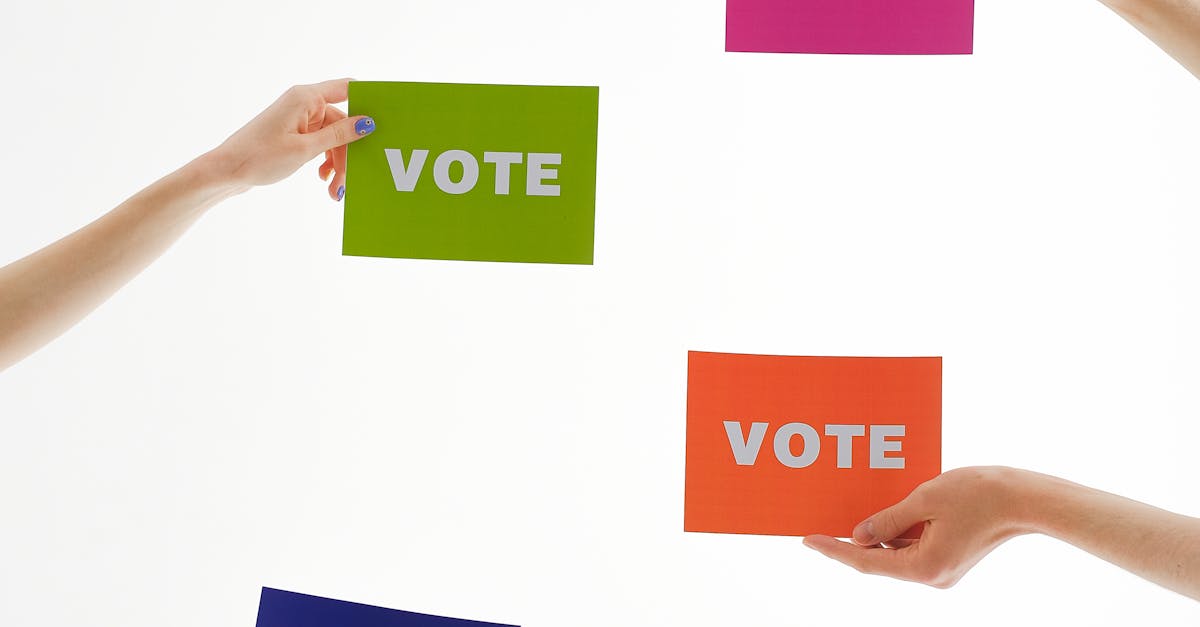
Photo by Anna Shvets
School board meetings are quietly becoming the front line of voting rights—and not in the way most people expect.
When state lines are drawn, when voting rules shift, when access gets restricted or expanded, the changes usually arrive with paperwork first. But the energy behind those changes often starts locally: at the school board, in county politics, and in the way communities decide what information children are allowed to learn. And that fight—over book bans and curriculum—turns into something bigger than classrooms. It becomes a referendum on who gets a voice in public life.
Book bans aren’t just about books; they’re about power—who decides, who gets heard, and who gets excluded from the civic conversation.
Voting Rights Aren’t Only on Election Day
Most people think of voting rights as something that lives in federal statutes or state election codes. Those matter, of course. But the daily infrastructure of democracy is built much closer to home.
Local elections—especially school board races—shape who shows up, who registers, who votes consistently, and which communities feel protected or targeted. If people feel that their children’s experiences and identities are being erased, they don’t shrug. They mobilize.
That’s the part many outside observers miss: civic engagement is reactive. When politics makes families feel like they’re losing control, voter interest can surge. When politics makes people feel unsafe or dismissed, voter participation can collapse.
School boards sit at the intersection of both dynamics.
The Local Pipeline: How School Board Fights Become Voting-Fight Energy
Here’s the key connection: school board governance is local authority in action. Parents, students, educators, and advocacy groups don’t just debate policy—they also learn the mechanics of power: agendas, public comment rules, election turnout, coalition-building, and campaign messaging.
In recent years, conflicts over divisive curricula and book bans have driven organizing in ways that look a lot like traditional voting-rights activism—even if the headline isn’t “voting rights.”
- Community groups knock doors because they want school board candidates who reflect their values.
- Activists create voter guides that focus on school policy, not just national ideology.
- Candidates recruit volunteers by framing elections as a chance to protect local schools from censorship.
And when those groups believe democracy is under threat, they don’t stay confined to textbooks. They move into voter education, attendance at municipal hearings, and coordinated turnout.
County Government and School Politics: The Same Map, Different Targets
If the school board is the stage where the arguments get personal, county-level politics is often where the pressure gets institutionalized.
County commissioners and local officials can influence everything from:
- redistricting and precinct lines,
- funding priorities that affect schools and services,
- law enforcement practices and community safety narratives,
- and the administrative environment that determines whether people can participate without friction.
Even when election law doesn’t change immediately, administrative choices can. Local jurisdictions often control the “how” of civic life: accessibility, communication, and responsiveness. Those details can either widen participation—or quietly narrow it.
When book bans and curriculum restrictions become political symbols, the school board election becomes a proxy vote for broader questions: Who gets to define community identity? Who gets to set public rules? Who is presumed to be credible?
That’s voting rights in practice: not only the right to cast a ballot, but the right to be taken seriously.
Book Bans as a Democracy Issue, Not Just an Education Debate
A lot of book ban arguments sound like they’re about taste, morality, or age-appropriateness. Sometimes they are. But the larger pattern has a political spine: control the narrative, and control the future voters.
When boards restrict access to books—especially those addressing race, sexuality, disability, or trauma—they’re not just managing reading lists. They’re shaping what students learn about history, identity, and civic belonging. Students who feel erased often disengage. Families who feel targeted often mobilize. Either way, outcomes ripple outward into elections.
And here’s what makes this especially tied to voting rights: book bans tend to bring out organized challengers and coordinated campaigns—often from groups with the resources to dominate hearings and communications.
That can tilt local democracy away from broad community input and toward the loudest, most organized faction—whether they claim to represent “the community” or not.
When policy is made through censorship, participation often becomes a fight for legitimacy—who gets to speak, and whose voice counts as “appropriate.”
Your Vote Matters More Than You Think—Because It Shapes the Rules of Participation
School board elections influence more than classrooms. They influence the civic habits of entire neighborhoods.
When parents and community members vote in school board races, they’re supporting:
- accountability: whether decisions are transparent and evidence-based,
- access: whether public hearings are fair and reachable,
- representation: whether educators and families can reflect real community needs,
- and long-term engagement: whether students grow up seeing democracy as something that includes them.
The most enthusiastic part of this story is also the most practical: local elections are learnable. People can understand the stakes quickly, contact candidates directly, attend meetings, and see how decisions get implemented.
So the next time someone tells you voting rights is only about national headlines, ask a sharper question: Where are the rules being written in your county and your school district? Who is influencing the definition of “public good”? You can learn more about the importance of local democracy at Voting Local Matters: Why Vote for School Board? | League of Women Voters.
Then make your voice count—because in a system built from local decisions, your vote is not small. It’s the lever that moves the machinery.
If you want, tell me your state (or just the region), and I can outline the most common local voting-rights flashpoints—especially around school board elections and book-banning policies.

Article orchestrated by Mobstacker’s WP Auto Muse Pro
.
This Photo was taken by Anna Shvets on Pexels.
About The Author



It’s interesting how these local battles have such far-reaching implications, but I wonder if the focus on school board meetings sometimes oversimplifies the bigger picture. While local engagement is important, shouldn’t there also be more emphasis on federal protections and the systemic issues that enable these restrictions in the first place? Just reacting to book bans and curriculum debates might be missing the forest for the trees. Also, not all
Did someone forget to tell the school board that they’re not actually part of the Avengers? Because it’s like they’re fighting the whole universe of education policy with just a stack of paperwork and a questionable sense of authority. Honestly, next thing you know they’ll be banning the math books too—“Nope, sorry, no more solving for x, it’s too controversial.”