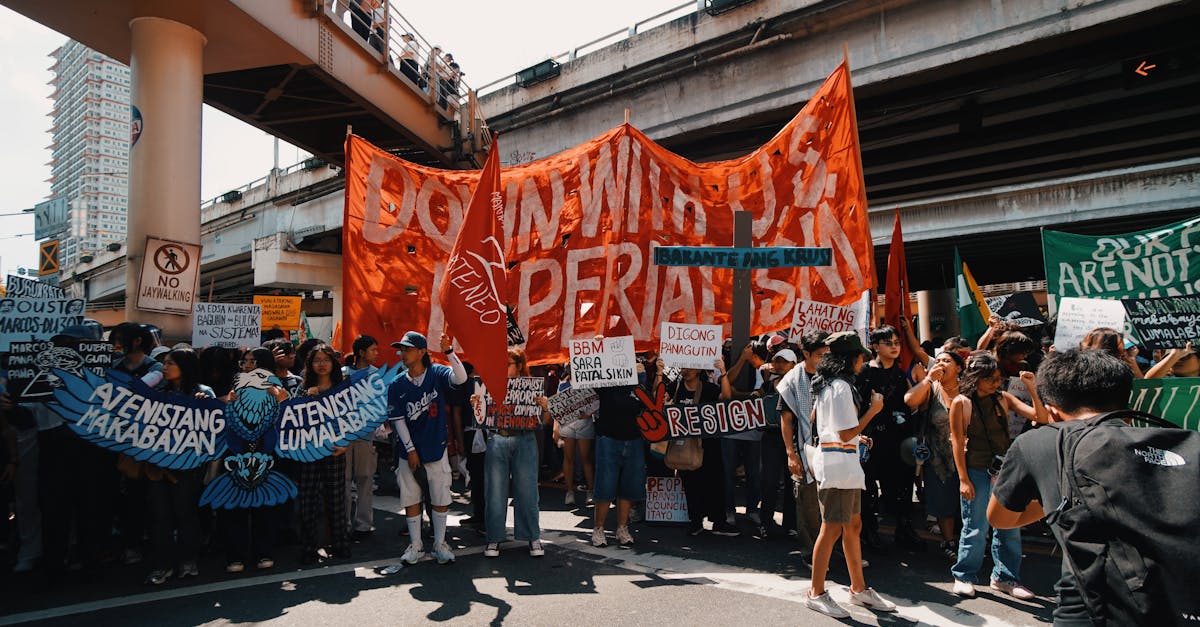
Photo by Mico Medel
Voter suppression isn’t just a policy problem—it’s a democracy problem. And in places like North Florida, where local decisions ripple quickly through communities, even small barriers can mean big differences in who gets a voice at the ballot box.
Let’s talk about what “rethinking politics” can look like when the goal is simple: fair elections with full participation—especially in county-level realities and school-adjacent communities across Nassau.
Key takeaway: When voting becomes harder, the people harmed aren’t random—they’re often the least resourced and most frequently targeted.
What voter suppression looks like (and why it can be subtle)
Voter suppression rarely shows up as a giant, obvious villain. More often, it’s paper cuts: confusing procedures, limited access, and intimidation that’s designed to be deniable.
Common tactics—sometimes intentional, sometimes the result of neglect—include:
- Reduced polling access (fewer sites, limited hours, inconvenient locations)
- Misinformation about deadlines, ID requirements, or registration rules
- Discriminatory enforcement at the margins (purges, challenges, technical disqualifications)
- Intimidation through bureaucracy, signage, or aggressive questioning
- Administrative hurdles that hit people unevenly, especially those working multiple jobs or without reliable transportation
In North Florida, the distance to a polling place, the availability of rides, and the timeline for submitting documents can all determine whether someone follows through. The “friction” matters.
The county test: how local power shapes participation
Here’s the uncomfortable truth: election fairness is built—or undermined—at the county level. State rules matter, but the lived experience of voting often depends on local implementation:
- How easy registration information is to find and understand
- Whether early voting sites are adequately staffed
- Whether voters receive clear guidance on changes and logistics
- Whether election administration is proactive rather than reactive
In a place like Nassau, county officials and election administrators can dramatically influence how welcoming the process feels. That doesn’t require radical politics. It requires competence, transparency, and a public service mindset.
When counties prioritize accessibility—through extended hours, multilingual materials, consistent guidance, and well-trained poll workers—suppression loses its power. It’s much harder to discourage voters when the system is predictable and helpful.
Schools as election infrastructure (yes, really)
People don’t always connect schools to voter access, but schools are central to community life—and often to election operations. In many areas, schools serve as polling locations, community gathering spaces, and channels of public information.
That creates a strong opportunity: if schools and school districts can help normalize civic participation, you reduce confusion and increase trust.
Think about practical ways school ecosystems can support fair elections without turning elections into chaos:
- Clear, consistent information distributed through existing communication channels
- Community partnerships that connect voters to assistance before Election Day
- Student- and family-facing civic education that teaches the “how” of voting, not just the “why”
- Coordination with election offices to ensure polling sites are well organized, accessible, and clearly marked
In Nassau and across North Florida, schools are already where parents and caregivers receive updates. If voting guidance travels through the same pathways—calmly, correctly, and early—fewer people get stuck in late-stage uncertainty.
And uncertainty is where suppression thrives.
Turning politics into protection: what a brighter path looks like
“Rethinking politics” doesn’t mean ignoring conflict or pretending everything is fine. It means shifting from adversarial thinking to pro-voter protection—building systems that make participation routine rather than exceptional.
Here are actionable principles that can help end voter suppression pressures:
- Make voting information impossible to misunderstand
- Publish deadlines, steps, and location details in plain language
- Offer consistent updates across multiple platforms
- Expand access in ways that match real schedules
- Longer early voting windows where feasible
- More flexible hours for working families
- Treat polling places like public service hubs, not hurdles
- Clear signage, trained staff, and rapid resolution of problems
- A welcoming approach that discourages intimidation
- Strengthen county accountability with transparency
- Public reporting on wait times, staffing, and turnout outreach
- Open channels for voters to ask questions before casting a ballot
- Leverage community anchors like schools
- Ensure guidance reaches families early
- Use school-linked communications to provide accurate election logistics
This is politics with a purpose: less confusion, less fear, more access.
Key takeaway: The best antidote to suppression is not just outrage—it’s access plus clarity, delivered early and consistently.
A hopeful focus for Nassau and North Florida
It’s easy to feel cynical when you hear about voter suppression. But local decisions can still bend the arc toward fairness. In Nassau, in the wider North Florida region, and across counties everywhere, election officials, educators, and community leaders can choose a different posture: inviting participation instead of testing it.
A brighter path doesn’t require perfect politics. It requires better design—the kind that protects voters by default.
And that’s where cheer belongs: in the practical work of making the ballot box a place people trust, not a place they’re afraid of getting stuck.

Article written by Mobstacker’s WP-Automuse

This Photo was taken by Mico Medel #on Pexels.
About The Author



Wow, this really hits home. Voting isn’t just about ticking a box, it’s about making sure everyone actually has a fair shot. I mean, sometimes it feels like the system is set up to favor certain folks and ignore others, especially in smaller communities where the impact of every vote is huge. Rethinking politics—like, really changing how we do things—seems so necessary
Wow, this really hits home. Voting isn’t just about ticking a box, it’s about making sure every voice counts, especially in those tight-knit communities where one small change can ripple out and shape a whole lot. I think sometimes folks forget how crucial county-level decisions are—they really affect everyday lives. Rethinking politics to focus on fairness and accessibility isn’t just nice to have, it’s essential. Maybe more outreach and education in these school-adjacent communities can help bridge some gaps. Voting should be easy and inclusive, not a hurdles course. Thanks for highlighting this—really
Wow, this really hits home. Sometimes I feel like small obstacles — like long lines or confusing rules — can totally dampen people’s will to vote. And in places like North Florida, where local decisions shape everyday life so much, it’s kinda crazy how much power we give to these tiny barriers.
Rethinking politics gotta mean making voting accessible for everyone, not just the folks who have time and resources to jump through hoops. Fair elections should be the default, especially in those school neighborhoods and small counties — where your vote
Voting become a hassle, sometimes it feels like they want to make it harder just so fewer people show up. I remember last year, it took me forever to figure out which lines to go to, and I live nearby! Maybe if the process was a little simpler, more folks would actually do it. Also, I think local leaders forget that if we can’t easily vote, it’s like they’re tying our hands before the game even starts. Just saying, gotta keep pushing for that fair shot.
Sometimes I wonder if people really realize how much these tiny hurdles at the polls can make a huge difference in local elections. Back in my hometown, I saw friends get frustrated just trying to figure out where to vote or deal with long lines. It’s like, if we’re serious about democracy, we gotta make it easier, not harder. Also, what’s with all the confusing ballots sometimes? Feels like they want us to give up!