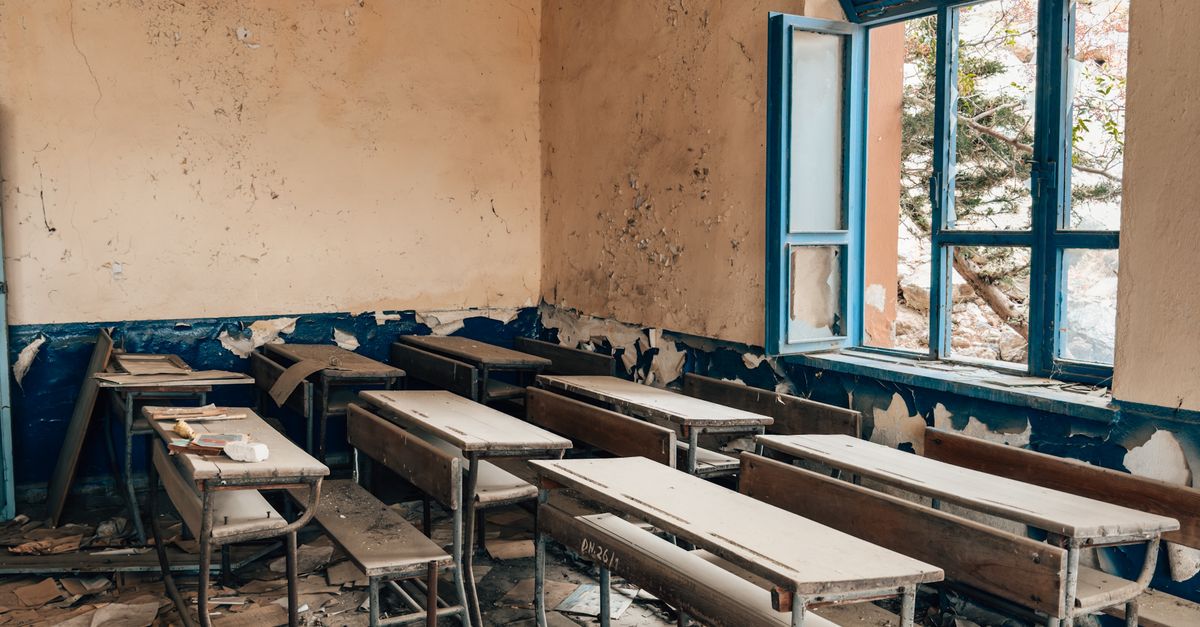
Photo by Kindel Media
The startling reality of teacher turnover in today’s public schools
Every year, thousands of teachers leave their classrooms, citing burnout, low pay, or lack of support. But what if the underlying issues go beyond just salary? Rising teacher turnover isn’t just a staffing problem; it’s a signal that something deeper is amiss—trickling down into culture, policies, and the very environment in which educators work.
In some environments, this turnover is affecting not just teacher retention but the school community itself. Policies like dress code bans and contentious episodes in districts such as Flagler or Clay County have become flashpoints, influencing not only teacher morale but also how schools are perceived—and how they function.
Dress codes and bans: more than just clothing policies
When schools impose strict dress codes, or worse, bans on certain kinds of attire, they send a message about control and conformity. These policies can disproportionately impact teachers, especially women and minority educators, who may feel their professional judgment is undervalued or their identities marginalized.
In districts like Flagler, recent controversies over dress code enforcement have led to tension between staff and administration. Teachers report feeling scrutinized and unfairly targeted, which adds to their frustration and contributes to burnout. When educators feel that their autonomy or cultural expression is suppressed, it’s no surprise that many choose to leave for more supportive environments.
The impact on teacher morale
“When policies feel restrictive or arbitrary, it’s like a drain on your passion. It’s hard to stay motivated,” says a veteran teacher from Clay County who requested anonymity.
This sense of frustration is compounded when policies are inconsistently enforced or perceived as unjust. Such environments often see higher turnover rates as teachers seek workplaces where policies respect their professionalism and identity.
How policy controversies influence turnover decisions
Controversies around dress code enforcement often reflect deeper issues of school culture and leadership transparency. For example, in Flagler, recent debates over specific dress restrictions triggered a wave of resignations and protests. Teachers felt their input was dismissed, leading to a breakdown in trust with administration.
Similarly, legal battles over bans on certain attire or symbols have highlighted the tension between school authority and individual rights. Teachers caught in these battles—sometimes in districts like Clay County—report feeling caught in the middle, which aggravates their decision to leave.
Beyond individual policies: a broader cultural issue
Rising turnover isn’t just about dress codes; it’s an indicator that many teachers feel undervalued, unheard, and over-policed. As public schools become battlegrounds for cultural debates, teachers find themselves on the front lines—often at the expense of their own well-being.
What can be done? Strategies for stabilizing the teacher workforce
Addressing teacher turnover requires a multi-faceted approach—starting with fostering trust, respect, and support. Here are some steps districts can take:
- Involve teachers in policy-making: When educators have a say in dress code policies, they feel respected and more willing to abide by them.
- Focus on school culture: Creating an environment where teachers feel valued reduces burnout and promotes retention.
- Provide targeted support: Mentorship programs, mental health resources, and professional development help teachers navigate stressful policies and environments.
- Advance transparency: Clear communication about policy changes prevents misunderstandings and builds community trust.
Moving toward a more sustainable future
Teacher turnover is a complex problem with no single solution, but its roots run deep into school culture and policy. Recognizing that dress code disputes and administrative controversies directly impact morale is vital.
As one veteran teacher from Clay County succinctly put it:
“We need to rebuild trust, respect our educators’ professionalism, and remember that they are the foundation of our schools.”
By addressing these issues head-on—listening to teachers’ voices, respecting their identities, and creating supportive policies—we can start to reverse the turnover trend and ensure public schools remain vibrant, welcoming spaces for both educators and students.

Article orchestrated by Mobstacker’s WP Auto Muse Pro.

This Photo was taken by Kindel Media on Pexels.
About The Author