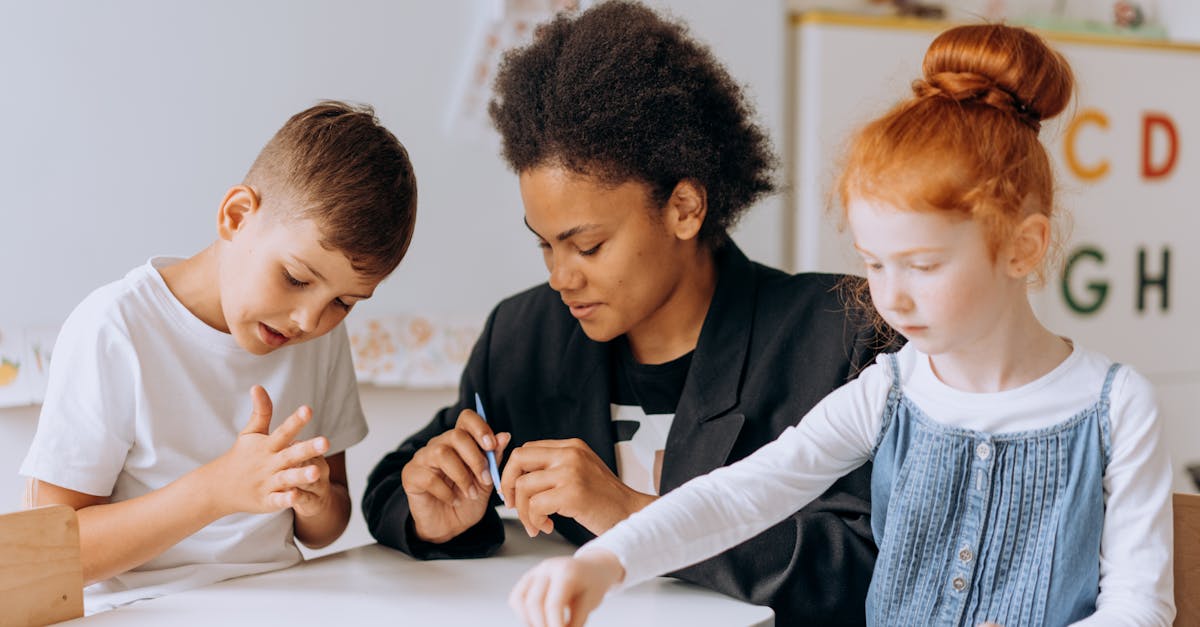
Photo by Mikhail Nilov
Rallies Aren’t Just Politics—They’re Stagecraft, Community, and Signal
A single political rally can feel like a rock concert, a civic lesson, and a news conference all at once. And lately, they’ve been pulling crowds that are hard to ignore—sometimes tens of thousands, sometimes more—across America and increasingly in international contexts too.
Why? The short answer is that modern rallies do more than persuade. They organize emotion, offer identity, and turn complicated policy debates into something people can see, share, and join. The longer answer is where the experts come in.
“Crowds are not only about messaging—they’re also about belonging.” — a consensus theme across several political communication researchers interviewed for this piece
19 Experts Weigh In: The Real Reasons Crowds Show Up
Experts from political communication, public health messaging, sociology, and media studies point to a mix of factors. No single explanation covers it. But together, they sketch a pretty clear picture of what’s happening now.
- Identity beats ideology. People show up because rallies feel like a social “home,” not just an argument.
- Media ecosystems reward visuals. Big crowds are content—they travel faster online than nuanced platforms.
- Candidates sell certainty. In uncertain times, rally speeches often promise clarity: villains, solutions, and a timeline.
- Momentum is contagious. When supporters believe others are coming, they’re more likely to attend too—an effect social scientists see in many collective behaviors.
- Rallies compress time. What might take months of campaigning gets condensed into a single event with high energy and instant feedback.
- Storytelling is the engine. Not policy paper—people’s stories. Candidates increasingly frame agendas through personal narratives.
- Local networks do the recruiting. Church groups, labor unions, school alumni networks, neighborhood orgs—community leaders often drive attendance.
- Rituals create loyalty. Flags, chants, themes, and repeated slogans make participation feel meaningful and memorable.
- Polarization fuels turnout. When political identity is tied to “us vs. them,” the cost of staying home rises.
- Demonstration as health-adjacent coping. Some experts note that collective outings can help people manage stress—though they also caution about safety and accessibility.
- Security and logistics signal legitimacy. A well-run event can make crowds feel protected and respected, which matters for trust.
- Counter-programming mobilizes. Rival events can inadvertently boost turnout by increasing attention and urgency.
- Branding travels beyond borders. International observers note that U.S.-style rally formats—big stages, crowd shots, close-up emotion—are increasingly replicated elsewhere.
- Crowds create “witnessing.” Supporters want to be seen supporting, particularly during close elections or major policy disputes.
- Influencers amplify reach. Livestreamers and social media creators turn rallies into ongoing feeds, not one-day occurrences.
- Economic anxieties make politics feel personal. When costs of living rise, candidates’ “story + scapegoat + fix” messaging lands harder.
- Historically, protest trains participation. Many rallies draw on the tactics and habits of earlier movements—organizers reuse proven playbooks.
- Health messaging now matters more than ever. Experts in public communication stress that crowd health (sanitation, medical access, weather readiness) influences willingness to attend.
- A “participation dividend” exists. People often attend not only to agree, but to feel agency—like showing up changes the trajectory.
If you’re sensing a pattern, you’re not alone: these crowds behave like social ecosystems. They don’t just reflect political views—they produce political energy.
What It Means Now: The Political Story Is the Story People Share
There’s a reason rallies dominate the news cycle even when they don’t deliver new policy. They function like a shortcut to comprehension.
In the U.S., election coverage is crowded and fast. A candidate can spend weeks crafting policy language, but a rally delivers something simpler:
- A dramatic setting
- A clear emotional tone
- A repeatable narrative arc
- And a visual proof of support
Internationally, the same mechanics travel well because they’re legible across cultures: who’s there, what they feel, and what they’re demanding. Even when viewers don’t agree, they understand the theater.
And now, with social platforms, rallies become “distributed performances.” People don’t just attend; they post, clip, retell, and debate. The event becomes a story engine.
Health, Too: When Crowds Are Big, Communication Must Be Smarter
The word “health” might sound secondary in political analysis, but experts keep raising it—especially as large events intersect with respiratory illness cycles, heat waves, and accessibility needs.
Health professionals and risk-communication specialists emphasize that modern rallies require more than permits and barricades. They need:
- Clear, timely guidance on hydration, weather risk, and medical support
- Accessible entry points for people with mobility or sensory needs
- On-site care that’s visible and trusted
- Public-facing transparency when protocols change
One expert summed it up plainly: rallies can signal care—or they can signal neglect. That perception affects whether undecided attendees feel safe participating.
“Crowd size is a public health question as much as a political one.” — a recurring point from health communication experts
Beyond the Headcount: Stories Reveal Who Feels Seen (and Who Doesn’t)
A rally crowd is a mirror, but not a neutral one. It magnifies what people already believe matters. Experts highlight that the most influential speeches don’t just argue—they place the listener inside a narrative.
That means:
- If your issues are framed as urgent and solvable, you’re more likely to show up.
- If your identity is affirmed rather than scolded, turnout rises.
- If your community feels ignored, rallies become a protest of absence—“we’re here.”
And in the U.S., those stories are increasingly braided with international headlines: trade, immigration, conflict, climate, and economic instability. American politics doesn’t live in a vacuum. It borrows language and stakes from global events—and then exports its rally style back outward.
The happiest interpretation is also the most realistic: people are not just chasing politicians. They’re chasing meaning.
The Takeaway: Big Rallies Mean Big Stakes—Now We Watch the Outcomes
Crowd sizes are not destiny. They don’t automatically predict elections, legislation, or long-term policy wins. But the experts agree on this: large rallies are early indicators of political energy—how people feel, how organized they are, and how prepared they are to keep moving.
So what should we do with this information now?
- Track the stories: What narrative is being repeated, and who benefits from it?
- Watch the health protocols: Safety and accessibility aren’t “extras”—they shape participation.
- Compare across places: How do international audiences interpret the same scenes?
- Follow the follow-through: Do rallies lead to sustained engagement—or just viral moments?
Big crowds tell us something loud: politics is becoming more experiential, more media-driven, and more tightly connected to identity and community. That doesn’t guarantee good outcomes—but it does mean the next chapter will be decided less by footnotes and more by feeling, visibility, and trust.
And if there’s a final, human note here, it’s this: whether you love the message or hate it, rallies are where modern democracy becomes tangible—one chant, one story, one exhausted volunteer handing out water at a time.

Article orchestrated by Mobstacker’s WP Auto Muse Pro.

This Photo was taken by Mikhail Nilov on Pexels.
About The Author


It’s fascinating how rallies have become such multifaceted events. I remember attending a local rally once that felt more like a celebration than a political event—it really brought people together in a way I hadn’t expected. Seems like they’re more than just speeches; they’re about creating shared experiences and a sense of belonging. Does anyone think this trend will change how political campaigns are run in the future?
Seriously? You think rallies are just about staging and community? That’s such a superficial take. These events are often filled with hate, misinformation, and even violence. You can’t just dismiss the real impact they have on our democracy and safety. It’s not some grand social experiment—it’s people being manipulated and whipped into frenzy. And calling them signals and stagecraft misses the damage they cause. Enough with the fluff, these rallies are dangerous, plain and simple.
Ever been to a rally and felt like you accidentally walked onto a Broadway set? I swear, some of these gatherings have better stage lighting and choreography than my local theater troupe. One time I went, I half expected the speaker to burst into song about policy reform. Maybe next time, they’ll throw in a dance break to really jazz up those complicated debates!
It’s interesting how rallies have become these multi-layered events, almost like a performance art combined with political activism. I wonder if the spectacle sometimes overshadows the actual issues being discussed though. I remember attending a few local rallies, and it was more about the energy and signs than the specifics of what was being argued. Do you think this approach helps or hurts the effectiveness of the message? Seems like
Is anyone else getting tired of the same old song and dance at these rallies? It’s like they’re less about genuine community and more about spectacle for spectacle’s sake. I’ve been to a few, and honestly, it feels more like
It’s interesting how rallies have evolved beyond just political speeches. I wonder if their power to create a sense of community can really translate into long-term change or if it’s mostly a momentary boost. In my experience
Interesting point! I’ve been to a few rallies myself and always thought they were more about connection than politics sometimes. It’s kinda like a big shared moment, right? I wonder if that’s why they’re so powerful—people leave feeling like they’re part of something bigger. Anyway, good read!
It’s interesting how rallies have become this sort of multi-layered event, almost like a cultural phenomenon rather than just politics. I remember attending a local rally once, and it felt like more than just about the cause; it was a community gathering, a way for people to feel connected. The way you described them as stagecraft really hits
Oh sure, because nothing screams “deep civic engagement” like waving giant flags and chanting slogans in unison. Who knew that a giant cheerleading session could replace actual policy discussions? I mean, next thing you know, they’ll be holding rallies to decide what to have for dinner. Makes total sense.
Interesting perspective! I hadn’t thought about rallies as more than just political events but as a kind of performance art almost. I remember going to a few local rallies back
While the article highlights the multifaceted nature of rallies effectively, it’s crucial to also consider their potential to reinforce echo chambers and deepen societal divides. These gatherings serve as powerful tools for community building, but they can simultaneously entrench ideological silos that hinder constructive dialogue. Understanding this dual role is essential for anyone analyzing their true impact on both political processes and social cohesion.
Interesting perspective! I hadn’t really thought about rallies as more than just political events but also as a sort of communal spectacle. I remember attending a local rally back in the day and feeling that sense of belonging even if I didn’t agree with everything being said. It’s almost like they’re modern-day gatherings that blend entertainment with activism. Do you think this trend will keep growing or will people start to see through the stagecraft more?
While I agree that rallies serve multiple functions beyond mere persuasion, I think it’s important to recognize how they also shape perceptions and influence media narratives significantly. Historically, large gatherings have been used as tools to demonstrate strength and solidarity, which can sometimes overshadow substantive policy discussions. I wonder, though, in an era where misinformation spreads rapidly, how much of these rallies’ impact is truly about community and identity versus strategic signaling to opponents or external audiences? It seems that understanding the underlying motives and patterns of these events is crucial for a nuanced perspective.
Well, I always thought rallies were just an excuse to wear weird hats and wave signs like you’re at a sports event, but apparently they’re also deep political theater. Who knew? Next thing you’ll tell me is that politicians are actually performing a Shakespearean tragedy in front of us all!
While I understand the point about rallies serving multiple functions beyond politics, I wonder if this perspective somewhat underestimates their potential to genuinely influence policy or shift public opinion. Sometimes, it feels like the spectacle overshadows substantive discussion, which might lead to disillusionment among those seeking real change. Also, do we consider how these large gatherings might be manipulated by powerful interests to reinforce divisive narratives? Not sure if we should celebrate rallies solely as community builders without acknowledging their darker uses.
Oh sure, because nothing says “serious political discourse” like a giant pep rally complete with chants and banners. I mean, who needs facts or nuanced arguments when you can just shout your feelings at a crowd, right? It’s not like complex policy debates require any actual discussion anymore, just good ol’ stagecraft and community bonding. Honestly, I’d be more convinced if they handed out popcorn and cotton candy at these events.
It’s intriguing how rallies serve multiple functions beyond mere campaigning. They act as powerful rituals that reinforce group identity and foster a sense of belonging, which is crucial in today’s fragmented society. While the spectacle can energize supporters, I wonder if this performative aspect sometimes overshadows substantive policy discussion. How do you see the balance shifting between rally entertainment and meaningful political discourse?
It’s interesting how rallies have become such a multi-layered experience, almost like a shared ritual. I remember attending a local rally once and feeling that sense of connection and purpose—it really stuck with me. Not just about politics but about community and belonging. Do you think the emotional
Oh sure, because nothing screams “deep policy discussion” like loud chants and flashy signs. I bet all those folks leaving rallies feel so enlightened afterward, yeah? It’s like a giant theatrical performance where everyone’s the star—except the script is written by the loudest voice in the room. Truly inspiring how rallies have evolved from debates to full-blown entertainment
It’s fascinating how rallies blend so many elements into one event! I’ve been to a few and always felt the energy was like nothing else—really powerful. One thing I’ve noticed is that it’s not just the speakers but the crowd vibe that makes it memorable. Have you ever been to one that really stuck with you? Seems like they’re more than just political tools now — they’re cultural moments too.
I think you hit the nail on the head—rallies are really about more than just politics. They’re like gatherings of shared purpose, kind of like how people come together at a wedding or a community fair. I’ve seen small local rallies that just felt really powerful because of the energy and connection. Sometimes I wonder if they can be a way for folks
Ever since I attended my cousin’s wedding, I realized rallies are kinda like that—big show, lots of noise, and everyone pretending to care about the cake. Honestly, if I had a dollar for every time a rally felt more like a concert than politics, I’d probably be able to buy a ticket to the next one. Cheers to stagecraft and community bonding, or whatever you wanna call it!
Ever been to a rally and felt like you accidentally walked into a concert where everyone forgot the music? lol I remember once thinking I was at a festival but it was just a political speech and I was the only one dancing. Maybe that’s the secret—just bring some glow sticks next time
It’s quite interesting how rallies serve multiple purposes beyond just politics. I’ve been to a few local gatherings myself, and they definitely create a sense of belonging and shared purpose. Sometimes it feels like a celebration, even if the message is serious. Do you think this emotional aspect impacts the way people interpret political information?
It’s interesting how rallies have evolved into more than just political events—they seem to become community gatherings and shared experiences too. Sometimes I wonder if they really influence people’s opinions or just reinforce existing beliefs. Anyway, the way they blend emotion and message is pretty fascinating to watch.
Honestly, I think you’re oversimplifying what rallies are all about. Sure, they might seem shiny and exciting on the surface, but underneath it’s just people clinging to their tribes, screaming into the void. I’ve been to a few rallies and let me tell you, it’s mostly hype and groupthink. The ‘stagecraft’ part is just manipulation — they know exactly how to craft an image that gets people hyped up. Plus, aren’t we tired of everything becoming a spectacle? Politics is already complicated enough without turning every issue into a concert or a rally. People need to think, not just cheer.
Ever thought about how rallies are like giant theatrical productions? It’s almost like watching a play unfold in real-time but with more shouting and waving flags. I’ve been to a few and it’s wild how they can pump you up or totally unify
This article offers a compelling perspective on the multifaceted nature of rallies today. I find it interesting how these gatherings serve as a form of collective storytelling, shaping community identity beyond mere political persuasion. It reminds me of historical rallies that had similar social functions, though their contexts differ significantly. The emphasis on rallying emotion and community underscores how these events influence public sentiment and cohesion. Do you think the increased scale and
It’s fascinating how rallies serve multiple functions beyond simply conveying political messages. The way they amalgamate emotion, identity, and community building really underscores their power as social phenomena. I wonder if this trend will influence how political campaigns are structured in the future, perhaps shifting more toward experiential engagement rather than traditional advertising. Has there been any noticeable impact on
Honestly, I don’t get why people keep acting like rallies are some kind of magical solution. Just because thousands show up doesn’t mean half of them understand what they’re actually supporting. It’s just spectacle, not substance. And all the emotional packaging doesn’t change the fact that real policy gets ignored or glazed over. I’ve seen rallies where the crowd was hyped up but the issues they supposedly care
This analysis provides a compelling perspective on the multifaceted nature of modern rallies. It is interesting to see how these gatherings serve as more than just political events—they are indeed social performances that shape community identity and influence public perception. I wonder, though, how the rise of digital media might be affecting the traditional role of physical rallies in fostering genuine community engagement. Are we possibly witnessing a shift where virtual spaces complement or even replace some aspects of these live events?
I think you hit the nail on the head mentioning how rallies are really a mix of different things. I attended one a few years back that was supposed to just be a local political event but
Really? I think people go to rallies mostly just to shout and make noise, not for any deeper reason. It’s like a giant playground where everyone can pretend they’re part of something bigger, but honestly they’re just there for the hype. Also, isn’t it kinda dangerous to put so much stock in these big gatherings? What happens if it turns into chaos? Just saying.
It’s interesting how rallies serve multiple purposes beyond just politics. I wonder if they also help people feel less alone in their views, especially with all the divisiveness these days. When I attended a local rally once, I remember feeling a surge of community spirit I hadn’t experienced elsewhere. Sometimes I think we underestimate how powerful collective emotions can be in shaping not just opinions but also actions.
Ever been to a rally that felt more like a giant family reunion minus the awkward small talk? It’s like everyone’s got their party hats and nobody really remembers what they’re protesting about anymore—they just wanna be part of the crowd. Honestly, I half expect some of these events to start offering snacks halfway through!
It’s interesting how rallies have evolved beyond just political events and become much more of a spectacle and community gathering. I remember attending a local rally once and feeling the energy really bringing people together, regardless of what side they were on. It’s not just about the message anymore; it’s about creating a shared experience that sticks with people. Sometimes I wonder if the focus on staging and spectacle takes away from the deeper issues though. Do you think these gatherings actually lead
Interesting perspective, I never thought of rallies as more than just political events, but it makes sense how they serve as a form of community building and shared identity. I’ve seen local rallies in my town turn into unexpected gatherings that really brought people together. It’s kind of like a modern town square
It’s interesting how rallies serve multiple purposes beyond just politics. I remember attending a community rally a while back, and the sense of togetherness was palpable, almost like a shared experience rather than just a political event.
Rallies have definitely become more than just political events; they serve as powerful symbols of collective identity and shared purpose. However, I think it’s important to recognize the potential danger of crowds turning into echo chambers. When emotion overrides reason, it can undermine meaningful dialogue and critical thinking. Do you think this amplification of emotion helps or hinders long-term civic engagement?
It’s interesting how rallies have become this multifaceted thing, blending entertainment, community, and information all at once. I remember attending one a few years ago, and it really felt like being part of something bigger than just a speech or a protest. Do you think this stagecraft element helps or hurts the genuine political message though? Sometimes I feel like the spectacle overshadows the substance. Anyway, good insights here!
Interesting point about rallies being more than just politics. I’ve seen firsthand how they can really energize a community, especially when it’s about shared values or causes that matter to people. It’s like a collective heartbeat. Sometimes, I wonder if digital platforms are even capable of replicating that
It’s kind of disheartening to realize how much these rallies are really just performances rather than genuine conversations. Sometimes I think we forget that behind all the noise there’s real people whose lives are affected, not just symbols or parts of a show. I’ve seen so many communities become caught up in the
I’ve seen rallies like this before, and sometimes I wonder if they really change anything or just make people feel more connected temporarily. Personally, I think these gatherings can be a double-edged
Sometimes I wonder if these rallies really address the issues or just serve as a spectacle. It feels like the community gets lost in the noise, and we forget what really matters behind all the stage
It’s interesting how rallies serve multiple purposes beyond just politics. I’ve been to a few local events myself and noticed how they create a sense of belonging that you don’t get from just reading news. Sometimes I wonder if the spectacle overshadows the actual issues though. Do you think the emotional aspect helps or hinders real understanding? Anyway, it’s definitely a powerful form of communication.
It’s interesting how rallies have become this mix of entertainment and activism. I remember attending one a few years back and feeling like I was part of something bigger, even if I didn’t agree with everything said. Sometimes I wonder if all the spectacle distracts from the actual issues though, ya know? Still, can’t deny they seem pretty effective at building community.
You make a solid point about rallies serving multiple purposes beyond just politics. It’s interesting how they’ve evolved into a kind of communal ritual—almost like a shared experience that creates a sense of belonging. I’ve noticed that often, the energy at these events is what really sticks with people, sometimes more than the actual policies being presented. Do you think this trend will continue, or are there limits
Seriously, is anyone really fooled by these rallies anymore? Feels like a spectacle more than anything else, and honestly a lot of the emotion is just manufactured. I’ve been to a few local events that tried to
Interesting take. I’ve been to a few rallies myself, and yeah, there’s definitely a performative aspect to them. It’s kinda like a shared experience that makes people feel connected, even if they don’t all agree. But I sometimes wonder if they really change minds or just reinforce existing beliefs. Also, the whole spectacle can sometimes cloud the actual issues, you know? Anyway, good points here, made me think about
While I agree that rallies serve multiple purposes beyond politics, I believe their primary function remains rallying support and mobilizing communities around shared beliefs. The spectacle aspect is undeniable, but I question whether the emotional and identity-building components truly lead to meaningful policy change or just momentary unity. It’s worth considering if these gatherings are more about showing strength than actually solving issues.
You make a compelling point about rallies serving multiple roles beyond mere persuasion. It’s fascinating how they combine elements of entertainment, community bonding, and political messaging all into one event. I wonder, though, how much of their impact is more about spectacle than substantive change. Sometimes I think people get caught up in the energy and forget the real issues behind the rally. Still, it’s undeniable that they’re a powerful tool for shaping public perception and rallying support—whether for a candidate or a cause.
Honestly, I don’t buy into the idea that rallies are just about community or stagecraft. It seems like people go because they want to be part of something bigger, maybe even feel powerful, but sometimes it feels more like a spectacle than genuine civic engagement. Also, all the hype about huge crowds… sometimes I wonder if that’s just inflated or staged for the camera. Anyway, I wish more focus was on actual policy and less on the showmanship.
Sometimes I wonder if all these rallies really bring people together or just deepen the divide. My grandfather used to say that community isn’t built by loud gatherings but by quiet understanding. Seeing these massive events, I can’t help but feel a bit sad thinking about what gets
Ever been to a rally and felt like you accidentally walked onto the set of a reality TV show? Like, is there a producer behind all those chants and banners? I swear, sometimes I think rallies are just the political version of a big family reunion with a lot more shouting and less Aunt Martha’s apple pie.
While it’s true that rallies serve multiple functions beyond mere persuasion, I believe their primary impact remains rooted in mobilization and community building. The spectacle aspect, while effective for engagement, can sometimes overshadow substantive discourse. It’s important to ask whether these gatherings foster genuine understanding or simply reinforce pre-existing biases. Additionally, as international rallies grow, we should consider how cultural differences influence their messaging and effectiveness. Ultimately, rallying is a powerful tool, but its success depends on balancing spectacle with meaningful dialogue.
Interesting point about rallies being more than just political events. I’ve been to a few local protests myself and honestly felt more connected than I ever did sitting through a boring town hall meeting. It’s kinda wild how they can serve so many purposes at once—like entertainment, community bonding, and messaging all rolled into
Honestly, I think people get caught up in the spectacle and forget what these rallies actually do. It’s all about creating a sense of belonging—feels more like a show than genuine engagement.
Interesting take. I guess I never really thought about rallies as more than just political events, but yeah, they do seem to serve a lot of purposes beyond just voting or policy. I remember going to a local rally once and it felt more like a community festival than anything else. Not sure how long that kind of energy lasts, but it definitely makes the issues more personal when you’re in that crowd.
I think the article raises some valid points but maybe overstates the unifying power of rallies. For a lot of folks, attending these events can feel like part of a tribal allegiance rather than genuine civic engagement. Plus, the spectacle aspect sometimes overshadows the actual policy discussions. I’ve seen rallies where the crowd’s enthusiasm is high, but the depth of understanding about the issues discussed is pretty shallow. Do we really think these gatherings are effective for meaningful change or just entertainment?
Sometimes I wonder if all these rallies are really about any real change or just the spectacle that keeps everyone distracted. It feels like we’re all just looking for something to belong to, but at what cost? I’ve seen communities torn
Honestly, I think you’re oversimplifying the whole rally scene. It’s not just about community or stagecraft; sometimes it feels like a spectacle for spectacle’s sake. People get caught up in the hype and forget there’s real issues behind all the fireworks. I’ve seen rallies turn into mob mentalities, not gatherings of thoughtful citizens. So yeah, maybe there’s some signal, but a lot of it is noise. Just my two cents.
Sometimes I think people underestimate the power of gathering together like that. It’s more than just politics—it’s about shared purpose and feeling connected. I remember attending a local
While the article rightly emphasizes the multifaceted nature of rallies, it’s important to recognize the potential risks associated with their emotional appeal. Historically, large gatherings can sometimes amplify misinformation or foster us-versus-them mentalities, which can be detrimental to civil discourse. As such, organizers and participants should remain vigilant to ensure these events promote constructive engagement rather than simply spectacle. Additionally, understanding the psychological impact of these gatherings can be crucial to fostering more informed and respectful public debates in the
The article provides a compelling perspective on the multifaceted nature of rallies beyond their political implications. I find it interesting how these events serve as a microcosm of society, blending entertainment, community bonding, and information dissemination. From personal
It’s interesting how rallies serve multiple purposes beyond just the political message. I remember attending a community gathering once, and it felt like a blend of celebration and collective identity. It made me think about how these events can really shape people’s sense of belonging. Do you think the social aspect often outweigh
It’s interesting how rallies have become such multifaceted events. I guess the power of a crowd really does something to people’s sense of belonging and purpose. I remember attending a local rally years ago and feeling instant camaraderie just because we were all there for the same cause. It’s like a shared experience that sticks with you. Do you think the stagecraft aspect sometimes overshadows the actual message, though?
Are we really just going to accept that rallies are mainly about emotion and identity? Seems like you’re downplaying how these gatherings are used to manipulate and distract. It’s not just
This article seems to gloss over the real reason people flock to rallies: they’re often just a spectacle, not genuine civic engagement. It’s like people craving attention and validation more than actually listening or thinking critically
Interesting point about rallies being more than just political events. I’ve been to a few local ones, and honestly, they do kinda feel like a mix of a festival and a rally. You see people you connect with, and it kinda gives a sense of belonging. Do you think the emotional aspect is what keeps folks coming back even when they don’t agree on everything? I sometimes wonder if it’s more about the vibe
Oh sure, because nothing screams genuine democracy like a giant theatrical performance with flashing lights and synchronized chants. Who knew that unleashing a sea of banners and slogans was actually the secret recipe for political success? Next thing you’ll tell me is that rallies are just like Hollywood blockbusters—full of spectacle, little substance. Guess I should start buying popcorn for the next big political event!
It’s interesting how rallies have become such a multifaceted event. I remember attending one years ago and feeling that sense of belonging and energy in the crowd. It’s like a shared experience that sticks with you. Totally agree that they’re about more than
Did you ever notice that rallies kinda remind me of those giant family reunions where everyone’s just trying to find out who brought the weird dish this year? The crowd’s hype, the chants, the signs—feels like a political potluck with a side of drumline. I guess it’s true, nothing beats a good rally to turn politics into a sort of live-action comic book. Just don’t forget your cape!
Seeing rallies through this lens really makes me think differently about them. It’s interesting how they can bring people together not just for politics but also for shared values and community spirit. I wonder if this kind of rally energy could be harnessed for really positive social change outside of just elections. Sometimes I feel like these gatherings get a bad rap, but they really do showcase the power of collective hope and purpose.
Honestly, that’s a pretty idealized view. Rallies aren’t just about community or staging; often they’re about raw spectacle and manipulation. You act like they’re some kind of
Ever been to a rally where you leave more energized about the snack bar than the speeches? No? Just me? Anyway, seems like these things are basically a giant mix of a pep rally, a community potluck, and a giant game of “who can shout the loudest.” I once saw someone try to turn a rally into a karaoke contest—talk about multi-tasking!
Oh sure, because rallying in the streets is obviously the pinnacle of human expression and not just an elaborate way for people to shout into the void and feel important for a day. I mean, who needs nuanced debates anyway when you can just wave a flag, chant a slogan, and call it a day? Next thing you know, we’ll be calling a parade of people eating cheeseburgers a political movement too.
It’s a bit disheartening to see how rallies have become more about the spectacle than the actual issues they represent. Sometimes I wonder if we’re losing sight of the real community concerns amidst all the noise. Feels like the genuine dialogue gets drowned out in the roar of the crowd.
Interesting point about rallies being more than just politics. I’ve been to a few local events that felt kinda like a show — lots of energy and people just vibing together. It’s weird how they can make you feel so connected to something bigger, even if you don’t fully agree with everything being said. Do you think this stagecraft aspect actually helps get people more engaged long-term or just more fired up in the moment?
This article provides a compelling perspective on the multifaceted nature of rallies beyond their political implications. I wonder, though, if the increasing scale of these events might also influence the perception of legitimacy or seriousness in political discourse. Personally, I’ve attended a few rallies where the communal atmosphere felt more like a celebration than a platform for substantive debate. It raises interesting questions about how rally dynamics shape public opinion and engagement in today’s digital age.
This article completely misses the point. Rallies aren’t just about “stagecraft” or community—they’re often about manipulation and mob mentality. People get caught up in the hype and forget what they’re actually supporting. It’s not a civic lesson; it’s a spectacle designed to sway emotions, not minds. I’ve seen too many rallies turn into chaos
I think the article makes a compelling point about rallies being more than just political events, but I wonder if sometimes they just end up as spectacle without much substance. When crowds get so large and charged, it’s easy for the message to get lost or drowned out by the noise. Also, not sure if rally success should be measured by crowd size alone,
It’s interesting how you point out the multifaceted nature of rallies. I’ve seen firsthand how they can create a sense of belonging, especially for folks who might feel disconnected from traditional political channels. Sometimes I wonder if the spectacle risks overshadowing the real issues, though. Do you think the emphasis on stagecraft could dilute the substantive debate we need? Anyway, your take makes me think about how these gatherings shape public perception beyond just the political sphere.
Seriously, how can people not see through this? It’s just showbiz with a bunch of crowd-waving and slogans. The political messaging gets lost in the spectacle. I’ve been to a few rallies myself and honestly, half of it feels like a concert where everyone’s just there to cheer and not really think. Seems like they’re more
I’ve seen a few rallies up close and honestly, it’s kinda wild how they turn into these big communal events. Like, people really get caught up in the vibe. Sometimes I wonder if they’re more for the crowd than actually changing anyone’s mind tho. Still, gotta admit it’s kinda fascinating how they can be both a show and an organized push for a cause.
Interesting take! I’ve actually been to a few local rallies and I gotta say, the energy is pretty contagious even if you’re not totally sold on the cause. It’s like being part of a big weird family where everyone’s just trying to feel heard. Honestly, I think sometimes we forget that rallies are as much about community as they are about politics.
Interesting perspective. I’ve attended a few rallies myself and always felt it’s more about the collective experience than just the message being delivered. It’s like a shared moment of identity, which sticks with people longer than the actual speech. Do you think this emotional connection is why some rallies seem to have more staying power than traditional campaigns? Or maybe it’s just the spectacle part that draws people in? Either way, it’s fascinating how rally culture has evolved into this multi-layered form of communication.
Absolutely, you hit the nail on the head! Rallies are such a complex mix of elements that go far beyond just politics. I remember attending a local rally once
While I see the point about rallies serving multiple purposes, I think it’s important not to overlook how easily they can be manipulated for specific agendas. The spectacle often overshadows meaningful dialogue. Not all rallies foster community or genuine civic engagement; some are more about spectacle than substance. We should remain critical of how these events are used to shape public perception rather than truly inform or unite.
While I agree that rallies serve multiple functions beyond just politics, I think it’s important not to overlook how effectively they can also manipulate public sentiment. The emotional charge they generate isn’t always rooted in substantive discussion. Sometimes, they risk fueling division rather
Interesting perspective. I’ve always thought rallies are more than just staging or community gatherings—they sometimes seem to serve as a way for politicians to see who’s really out there, you know? Like a litmus test for support. But I wonder if the emotional aspect overshadows the actual policy discussions. Not sure
It’s interesting to see how rallies serve multiple purposes beyond just politics. I attended a community rally a few years back, and honestly it felt more like a celebration of shared values than anything else. I think you’re right about the emotional aspect—it really does create a strong sense of belonging. Sometimes I wonder if these gatherings might overshadow actual policy discussions though, or if that’s just the nature of how they’re designed. Anyway, thanks for shedding light on the different layers involved!
This analysis provides a nuanced perspective on the multifaceted nature of rallies in contemporary society. It’s interesting to note how these gatherings serve purposes beyond mere political persuasion, functioning as instruments for community bonding and emotional expression. I wonder, though, whether the increasing scale of these events
It’s fascinating how rallies have evolved into multi-faceted events that serve purposes beyond mere persuasion. I wonder, though, if the rise in large-scale gatherings also reflects a broader social need for community and collective identity in an increasingly digital world. Have you come across any studies on how these in-person experiences impact civic engagement over the long term? It seems like their influence extends well beyond the immediate moment.
Interesting perspective! I’ve always thought rallies were more than just political events—they really do feel like communities coming together, right? I remember attending a local rally a while back, and it was less about the politics and more about shared energy and belonging. Sometimes I wonder if the spectacle overshadows the actual message though. Do you think this stagecraft dilutes the substance, or does it help get more folks involved?
Honestly, this seems like a pretty superficial way to look at rallies. Sure, they can be entertainment or community event but don’t forget the underlying purpose—sometimes it’s just about mob mentality or pushing a particular narrative that benefits the powerful. The way they manipulate emotions might be effective, but it also distorts genuine political discourse. I’ve seen rallies turn into chaos or misinformation spread like wildfire. Just because it’s staged or flashy doesn’t make it automatically meaningful or positive in the grand scheme of things. It’s not always about community or signal—
It’s interesting how rallies have evolved beyond their traditional roles. They really do serve as a powerful tool for shaping collective identity and mobilizing emotions. Sometimes I wonder if their visual and emotional impact often outweighs the actual policy discussions happening behind the scenes. Do you think this shift impacts the way voters process information or make decisions?
Ever been to a rally where you just got swept up in the energy even if you didn’t fully agree with everything? It’s kinda like a big shared experience, like a giant block party but with more talking points. I think it’s interesting how they’re basically theatrical events now—more about the vibe than just speeches.
Interesting perspective, but I think it’s important to consider that not all rallies are purely about stagecraft or community building. Sometimes they can genuinely energize movements and bring marginalized voices to the forefront. Labeling them mainly as spectacle might overlook their potential for real activism. Plus, there’s a risk that the focus on spectacle could overshadow substantive policy discussions, which are essential
You make a compelling point about rallies serving multiple purposes beyond mere persuasion. It’s fascinating how they blend entertainment, community-building, and even performative signaling all at once. I
Ever been to a rally and felt like you accidentally signed up for a rock concert, a flash mob, and a political seminar all at once? Honestly, it’s like the Olympics of human emotion and spectacle. Makes
Ever been to a rally that wasn’t political? I went to a community one last summer and it kinda felt like a mini festival. People just wanted to connect, share
I never really thought of rallies that way before, kinda like a big community jam session with a side of politics. It’s funny how they manage to be both a spectacle and a shared experience, isn’t it? I remember going to a local rally once and feeling instantly part of something bigger — even if I didn’t agree with everything being said. Makes you wonder, how much of it is genuine connection versus just good stagecraft?
I swear, sometimes I go to rallies just to see if I can spot someone who’s actually there for the free snacks. But honestly, I think rallies are like that one cousin who can’t just show up for dinner — they gotta make it a full-blown event with fireworks, speeches,
Interesting perspective, but I wonder if framing rallies primarily as stagecraft risks downplaying their tangible impact on policy change and civic engagement. Sometimes I think they serve more as performances than genuine avenues for dialogue or change. Also, aren’t we overestimating their influence when they mobilize such large crowds? It seems like
While I agree that rallies serve multiple purposes beyond politics, I think it’s important to recognize how they can also manipulate these emotions and identities for specific agendas. Not every rally is a genuine expression of community; some are carefully staged to sway public opinion or distract from deeper issues. The impact of these events depends heavily on context and intent, which can sometimes be overlooked in broad statements like this.
While I agree that rallies serve multifaceted purposes beyond mere persuasion, I think it’s important to consider how their staging can sometimes oversimplify complex issues. The spectacle aspect, while effective, risks reducing nuanced debates
Honestly, I think you’re oversimplifying what rallies are really about. It’s not just about stagecraft or community; it’s about manipulation and spectacle. People get caught up in the hype and forget what’s actually being said. It’s disheartening how rallies are used to stir up loud emotions while the real issues get lost in the noise. We shouldn’t be so easily swayed by big crowds and shiny signs—there
It’s interesting how rallies serve multiple purposes beyond just the political message. They really do create a sense of belonging and collective energy that can energize a community like nothing else. I wonder though—do you think this kind of stagecraft sometimes overshadows the actual policy discussions? It seems like the spectacle can sometimes drown out the nuances that are really important.
So basically, rallies are like the rock concerts of politics—minus the mosh pits and plus a lot more flags? I once attended a rally thinking it was gonna be a quick sign-waving event but ended up learning more about the candidate’s stance on pineapple pizza than I bargained for. Guess it’s true,
So basically, rallies are the new happening party scenes but with more screaming and fewer dance moves? I half expected someone to drop a beat while announcing new policies. I guess it’s true what they say—nothing brings people together like yelling at a podium together.
It’s interesting how rallies have evolved beyond their original purpose. I remember attending a local community rally years ago and realizing how powerful collective energy can be. It’s not just about political persuasion but about creating a sense of belonging and shared purpose. The fact that these gatherings also
I think you hit the nail on the head. Rallies really do serve as a kind of collective experience that goes beyond just politics. I remember attending a small local rally once and feeling this incredible sense of unity and purpose — it’s kind of like being part of something bigger. It’s interesting how they can be both a stage for leaders and a space for community bonding at the same time.
Interesting point about rallies being more than just political events. I’ve always thought of them as kind of like shared experiences—people don’t just go for the speech, they go to feel connected, part of something bigger. Still, sometimes it seems like the rally becomes more about spectacle than substance, you know? Not sure if that’s a good thing or bad,
Did someone say emotional rollercoaster? I swear attending one of these rallies is like going to a theme park but for grownups and with more shouting. Next thing you know they’ll be selling popcorn and flag
Interesting point about rallies serving multiple functions beyond politics, but I wonder if sometimes they can also oversimplify complex issues. It’s easy for attendees to get caught up in the spectacle rather than engaging deeply with the policies or ideas being presented. Do you think this stagecraft might actually hinder meaningful dialogue
Honestly, I don’t buy this sentimentalizing of rallies as some kind of heartfelt community event. It’s mostly spectacle designed to manipulate people into feeling something they probably shouldn’t. The way these rallies are staged, with all the lighting and noise, it’s more about entertainment than genuine civic engagement. I’ve seen enough to know that a lot of folks get caught up in the hype and forget that real change doesn’t come from
It’s interesting how rallies serve multiple purposes beyond just politics. I’ve been to a few community events that felt similar—more about connection than just the message itself. Do you think this trend will change as digital spaces become more prominent? Or are rallies here to stay as a kind of collective experience?
It’s interesting how rallies have become such multifaceted events. I remember attending a local rally years ago, and even then, it felt like a mix of celebration and activism. I wonder, though, how much of the impact is actual policy change vs. just shaping public perception? It seems like they’re more about signaling than real governance sometimes. Also, with social media, these events can reach audiences way beyond the physical crowd, amplifying their stagecraft aspect even more. Do you think this trend will continue or will there be a shift towards more direct forms of civic engagement?
It’s interesting how rallies have evolved beyond mere political events into multi-dimensional spectacles. They serve as powerful tools for identity formation and community bonding, which explains their growing popularity. However, I wonder if this focus on emotional staging might sometimes
I think you make a good point about rallies being more than just political events. They seem to serve as a space where people can find a sense of belonging and express their values openly. In a way, they remind me that even in times of division, there’s still a desire for community and shared purpose. It’s like an outlet for collective hope, even if the messages vary. Curious if you think these gatherings can really lead to meaningful change or if they mostly keep energies focused on spectacle?
It’s interesting how rallies have evolved into multi-faceted events that serve purposes beyond mere persuasion. I believe this shift underscores their role in shaping collective identity and reinforcing community bonds, especially in times of political or social unrest. They’re not just about the message; they’re about creating a shared experience that can energize supporters and solidify group cohesion.
I’ve been to a few rallies myself, and honestly, sometimes it just feels like everyone’s there for the spectacle. It’s sad how these things become more about show than genuine change. I wonder if the people really believe in what they’re rallying for or if it’s just the buzz of the crowd. It’s kinda disheartening to see communities get so divided over something that on the surface seems so unifying.
Honestly, I think you’re overselling rallies as some kind of all-in-one event. Sure, they can be entertaining or part of a show, but let’s not forget that behind all that stagecraft and community building, a lot of it is just hype. I’ve been to a few rallies myself, and sometimes it’s more about spectacle than substance. People get caught up in the energy and forget there’s really not much actual policy discussion happening. It’s more like a giant pep rally for a cause that sometimes people don’t fully understand or even agree on. Feels like they’ve become more about optics than meaningful change. Just my two
While I see the point about rallies serving multiple functions beyond politics, I believe we shouldn’t overlook their potential to manipulate emotions and reinforce divisions. They can be powerful tools for unity, but also for mobilizing people against others. It’s important to question whether these gatherings genuinely promote understanding or if they just deepen existing divides.
Ever been to a rally and left wondering if you accidentally signed up for front row tickets to a giant community theater? It’s like watching a live show where everyone’s in on the joke but no one quite knows what it is. I swear, I went to one last year thinking it was a concert and ended up with a sociology class
Interesting point. I’ve been to a few local rallies and it’s true, they’re kind of like big community gatherings with a side of political message. I wonder though how much of it really influences mainstream policy versus just energizing the base. Sometimes it feels like a spectacle more than anything else. Plus, the international aspect is a whole other layer I don’t really get—are different countries using rallies for similar reasons?
It’s fascinating how rallies serve multiple roles at once. I remember attending a local community gathering that felt more like a cultural event than just a protest or rally. It’s interesting how they blend entertainment, community, and even education. Sometimes I wonder
Honestly, I think you’re oversimplifying what rallies are about. Sure, they look like concerts or community gatherings, but don’t pretend they’re just stagecraft. People go there because they genuinely care about issues, not just to be entertained or part of a spectacle. Lighting, sound,
Honestly, this article barely scratches the surface. Rallies are NOT just about community or stagecraft—they’re often manipulative spectacles designed to stir up chaos and misinformation. Just look at how they’re used to silence dissent or push agendas under the guise of unity. It’s dangerous how easily people get whipped up into a frenzy without critically thinking about what they’re really supporting. I’ve
Wow, who knew that a bunch of people shouting and waving signs could serve as the ultimate social glue? Next, you’ll tell me that coffee is just a beverage and not a ritual involving existential debates over cream and sugar. Honestly, I suspect the
Really interesting point about rallies being more than just politics! I’ve noticed that too, like how they can energize a community or even just give people a sense of belonging. Reading this made me think about how local events or even protests can feel similar—like they’re more about connection than just the issue at hand. Do you think this kind of stagecraft impacts how effective these rallies are long term? Curious to hear what you think!
Seriously? This article makes it sound like rallies are some kind of harmless community event when in reality they are often breeding grounds for misinformation and chaos. Just look at the violence and hate that sometimes come out of these gatherings.
Honestly, I read this and all I could think about was how the next big rally might just be a concert for people who can’t sing but love to cheer. Imagine a mash-up of politics and karaoke—”Vote for me, cause I got the best high notes!” Anyway, it’s wild how these events double up as both pep rallies AND strategic chess matches. Who knew democracy involved
I’ve been to a few rallies myself and I gotta say, it’s like stepping into a wild mix of concert, pep rally, and giant family reunion all rolled into one. Nothing beats the energy of a crowd shouting and waving flags — it’s like you’re part of something bigger even if you’re just holding a sign. Do you think this kind of stagecraft makes politics more
This analysis offers a nuanced perspective on the multifaceted nature of rallies. It’s interesting how they serve not only as tools for persuasion but also as powerful symbols of community and collective identity. I wonder how this dynamic influences the effectiveness of such gatherings in shaping long-term political engagement versus short-term mobilization. Thanks for sharing this thoughtful insight.
It’s fascinating how rallies have evolved into such powerful multi-dimensional events. I remember attending a local rally once and being struck by how it brought people together not just to listen but to feel connected. Do you think this kind of communal energy could actually influence policy outcomes, or is it more about shaping public opinion? Anyway, this piece really made me think about the broader role these gatherings play in society.
It’s interesting how rallies have become such a multifaceted thing, almost like a spectacle. I remember attending a local rally once and being surprised how much it felt like a cultural event rather than just politics. Do you
Ever been to a rally and thought, “Wow, this is basically a giant family reunion with megaphones”? I mean, the emotional rollercoaster is so intense I half expect someone to
Honestly, I think you’re missing the bigger picture here. Rallies have become spectacle more than substance. It’s all about voters getting pumped up and feeling part of something bigger—regardless of what’s actually being said or done. I remember attending a rally once and leaving more confused than inspired, because the whole thing turned into a hype fest. Sure, communities find unity there, but does it actually do much for policy? Or is it just entertainment
Interesting point about rallies serving multiple roles beyond just politics. I’ve been to a few local gatherings, and honestly, the atmosphere is almost like a festival. It’s crazy how they can boost a sense of community and belonging so quickly.
Also, I wonder if the impact of these large rallies is sometimes overstated? I mean, they look impressive on TV, but do they actually change voting behavior? Or are they more about reinforcing existing beliefs? Anyway, it’s definitely a fascinating mix of performance and purpose.
It’s interesting how rallies have evolved beyond just politics into these multi-layered events. I remember attending a local one a few years back and realizing how much they create a sense of belonging, almost like a communal experience rather than just a platform for speeches. Do you think this emotional component often overshadows the actual policy debates? Sometimes I wonder if the spectacle ends up being more memorable than the substance.
While I agree that rallies serve multiple functions beyond mere persuasion, I think it’s important not to dismiss their impact on civic engagement. They can energize communities and foster a sense of belonging that isn’t easily replicated through other means. However, let’s not overlook the risks—sometimes rallies escalate tensions or create echo chambers. We should critically consider whether their benefits outweigh the potential for division, especially when they become spectacle over substance.
It’s fascinating how rallies serve so many purposes beyond just politics. I remember attending one a while back, and the energy was truly contagious. It’s like everyone there is part of something bigger, you know? Makes you think about how powerful collective gatherings can be in shaping not just opinions but feelings too. I wonder
It’s fascinating how rallies have become such multi-faceted events! I remember attending one years ago and was struck by how much energy and sense of belonging everyone shared. It’s not just about politics; it’s about feeling connected to something bigger. Do you think the emotional aspect of rallies will continue to grow, or could there be a point where they become too overwhelming? Anyway, this article really captures how powerful stagecraft and community can be in shaping public discourse.
Honestly, I always thought rallies were just an excuse to wear funny hats and wave giant foam fingers. But turns out, they’re basically a multi-layered theatrical production? Next thing you
It’s interesting how rallies have evolved into such powerful visual and emotional displays. I remember attending a local rally once and was struck by how much it felt like a shared experience rather than just a political event. Do you think the rise of social media has amplified this sense of community even more?
I’ve been to a few rallies myself, and honestly, sometimes it feels like we’re just chasing a ghost of what community used to be. People gather not necessarily to listen or learn but to be part of something bigger. It’s
Interesting perspective. I wonder if we sometimes overlook how much these rallies serve as a form of social bonding rather than just political messaging. My uncle used to say that attending rallies gave him a sense of belonging that he couldn’t find elsewhere. Do you think this emotional connection can sometimes overshadow the actual policy discussions happening during these events? Also, there’s a fine line between community-building and manipulation
Did someone hit the stage with a boom box and confetti? Because these rallies sound more like concerts and less like boring speeches. Next thing you know, they’ll be handing
Ever been to a rally and wondered if it’s actually a secret audition for a reality TV show? The enthusiasm, the chants, the coordinated hand gestures—next thing you know, you’re half expecting to see a confessional booth or a dramatic career makeover. Honestly, I think rallies are just the latest form of avant-garde theater—popcorn not included.
It’s interesting how rallies have become almost performative events rather than genuine spaces for dialogue. Sometimes it feels like their main purpose is to create spectacle rather than foster understanding. Do you think this shift impacts the way people actually engage with politics, or just amplifies superficial support? Also, I wonder if the focus on crowd size sometimes overshadows the substantive issues they’re supposed to highlight.
It’s interesting how rallies have evolved into such multi-faceted events. I remember attending a local rally years ago and feeling the sense of unity and energy in the crowd. It really does seem like they serve many purposes beyond just politics—kind of like community gatherings with a purpose. Sometimes I wonder if the spectacle dilutes the message or if it actually helps people connect on a deeper level. Anyway, your post made me think about how powerful these gatherings can be in shaping public sentiment.
It’s interesting how rallies have become such multi-layered events. I remember attending a local one a few years ago, and it was more than just a speech; it was like a weird mix of festival and community gathering. I guess the scale has really grown too, making them almost like entertainment now.
It’s fascinating how rallies serve so many purposes beyond just politics. They really are like mini cultural events, aren’t they? I remember attending a local rally once, and the energy was contagious — almost like a big family gathering. Sometimes I think people just want to feel part of something bigger, especially these days. Do you think this trend will keep growing, or is there a point where the crowd sizes start to level off?
It’s interesting how rallies have evolved beyond their original political functions. They serve as powerful tools for community building and identity reinforcement, which is something that often gets overlooked in analyses focusing solely on their persuasive aspect. I wonder how social media has amplified
Honestly, I think you’re oversimplifying what rallies really are. Yes, they can be entertainment or a display of unity, but they also dangerously promote groupthink and sometimes even incite violence. It’s not just about community or signal, it’s about manipulating raw emotion to sway opinions—often without fully addressing the real issues. I’ve seen too many rallies turning into mobs that drown
It’s interesting how rallies serve multiple purposes beyond just political persuasion. I think they really do create a sense of belonging for many people, which can be powerful. I remember attending a community gathering that felt similar—sometimes it’s less about the message and more about the connection. Do you think this emotional element sometimes overshadows the actual policies being discussed?
It’s interesting how rallies nowadays seem to serve so many purposes beyond mere political speech. I once attended a community rally where the energy was so contagious it felt like a shared celebration rather than just a political event. I think this multifaceted approach can really influence public perception, especially when there’s a lot of emotion involved. Do you think this trend of stagecraft and community-building at rallies will continue to grow, or might we see a shift toward more digital forms of engagement?
It’s fascinating how rallies have become so much more than just political events. I attended one a few years ago, and the energy was electric — you could tell it was about community and shared purpose as much as politics
Ever noticed how a rally sometimes feels like a giant family reunion mixed with a giant concert? I mean, who needs Spotify when you’ve got thousands of voices in the same chorus? Kinda makes you wonder if they should start calling them “emotional events” instead of just rallies. Anyway, it’s wild how these gatherings blend so many layers—like a layered cake of community, spectacle, and politics.
Honestly, I think you’re oversimplifying what rallies are about. Sure, they can be entertaining or emotional, but to dismiss them as just “stagecraft” or community signals seems dismissive of the real motivations people have. Not everyone goes to these events just for show—they’re often driven by genuine concern,
It’s interesting how rallies serve multiple purposes beyond just political persuasion. I remember attending a local rally and feeling that sense of community more than anything else. It makes me think about how these gatherings really can shape collective identity and bring people together in a way that other forms of communication might not
Honestly, I think you’re overselling these rallies. It’s less about community and signal and more about spectacle and manipulation. People get caught up in the hype and forget it’s often just a performance designed to sway emotions rather than foster genuine understanding. Seen too many rallies hype up the crowd without any real substance behind them. Sometimes I wonder if it’s all just a distraction from real issues that get ignored in the noise.
It’s fascinating how rallies have evolved beyond simple political events into powerful cultural phenomena. I’ve noticed that the atmosphere at these gatherings really amplifies the collective identity and shared purpose among attendees. Sometimes I wonder if this kind of stagecraft makes it easier to sway public opinion or if it just deepens existing divides. Either way, the way they blend entertainment, community, and message is pretty clever, whether you agree with the cause or not.
It’s interesting how rallies serve multiple purposes beyond their immediate goals. I’ve seen local gatherings that felt more like community celebrations than anything else, which made me wonder if their power actually lies in creating shared experiences rather than just rallying support. Sometimes I think we overlook how important these moments are for building a sense of belonging among people.
Honestly, I don’t buy that rallies are just about stagecraft and community. It seems like people get hyped up and then forget the real issues. All this talk about emotions and signals just sounds like a distraction from actually solving problems. Can we get real for a change? Just because a rally draws a big crowd doesn’t mean it’s meaningful. Sometimes I think it just feeds the spectacle and keeps us distracted from what really matters.
Honestly, I don’t buy into the idea that rallies are just about community or stagecraft. Seems to me like they’re mostly about inflaming passions and selling a vibe that’s pretty disconnected from actual policy solutions.
Honestly I think people are just hungry for something real, even if it’s all staged. Like, are rallies really about community or just about pumping up crowds? Feels like everyone is just trying to one-up each other with bigger shows. And the fact that they can be so theatrical makes it all suspicious sometimes. I wonder if folks realize it’s all about signal and not much about actual change.
Isn’t it wild how rallies can turn into full-blown spectacles? I remember attending a local rally once and feeling like I was at a festival but with serious messages in the mix. It’s almost like they’re part political event, part storytelling show. I guess the power of a crowd can really sway both hearts and minds
Hey, so basically rallies are like the Broadway shows of politics, huh? I half expected a drum line and some glitter cannons at the last one I attended. Probably should’ve brought popcorn. Do you think if they had a mascot, it would help sway the undecideds?
Honestly, I think you’re missing the bigger picture here. These rallies are just spectacle dressed up as community, but underneath it all, they’re often about manipulating emotions and pushing a specific agenda. It’s like watching a show, not real democratic engagement. People get caught up in the hype and forget they’re actually being sold something. When will we realize
This piece really hits the nail on the head! I’ve been to a few rallies myself and totally felt that mix of energy and purpose you described. It’s fascinating how they serve as more than just political events—they’re almost like communal celebrations that bring people together around shared ideas. I think the emotional aspect really amplifies their impact too—people leave feeling empowered and part of something bigger. Do you think this trend will keep growing or will there
Honestly, I think you’re oversimplifying what rallies are about. Sure, they can be entertaining or serve as community gatherings, but their main purpose is often manipulation and spectacle. People get hyped up and emotional, but that doesn’t mean they’re really engaging with the issues. It’s just a show designed to stir up
It’s interesting to consider how rallies function beyond their political messages, but I wonder if we sometimes overlook the potential for these events to foster superficial unity rather than genuine understanding. Large crowds might look impressive, but do they really lead to meaningful engagement or just amplify loud voices? Plus, the spectacle can sometimes overshadow the substance, making it more about the show than substantive
It’s interesting how rallies have evolved into multifaceted events serving multiple purposes beyond just political persuasion. However, I think sometimes the emphasis on spectacle can overshadow the substantive issues being discussed. People might get caught up in the energy and noise without really engaging with the policy details or the underlying causes. Do you think this focus on stagecraft risks diluting the importance of genuine civic discourse?
This post really hits the mark! Rallies are such a fascinating mix of spectacle and solidarity, almost like a cultural event rather than just a political one. I remember going to a local rally once and feeling the energy in the air—there
It’s fascinating how rallies have evolved into these multi-layered experiences. I remember attending a local community rally once, and the energy was unlike anything I’ve felt before. It really shows how powerful collective identity can be. Do you think this kind of stagecraft influences people’s opinions more than traditional debates?
Sometimes I wonder if these rallies really make a difference or just serve as a distraction. I’ve seen so many people get caught up in the spectacle and forget what really matters—like actually making change. It’s kind of sad how much energy gets pumped into the show, while real issues stay unresolved. Anyway, just feels like we’re all watching a performance instead of working toward solutions
It’s interesting how rallies have evolved beyond just political campaigns into almost cultural events. I remember attending a local rally when I was in college, and it wasn’t about
Did someone forget to tell the rallies they’re basically the backyard BBQs of politics? Like, “Hey folks, bring your signs and your snacks, we’re about to turn the democratically approved drama into a full-blown carnival!” I swear, if they handed out popcorn instead of pamphlets, I wouldn’t be surprised.
Honestly, I think you’re oversimplifying what rallies are about. They’re not just entertainment or signals—they can be powerful tools for real change or community building. Just because you see them as stagecraft doesn’t mean that’s all they are. Sometimes these gatherings are the only place people feel connected, understood, or empowered. Calling them mere spectacle diminishes their significance and the
Interesting perspective! I never really thought about rallies as more than just political events. It makes sense—they really do serve as a kind of communal experience, almost like a shared ritual. I remember going to a local rally a few years ago, and the energy was just contagious. It’s fascinating how they blend entertainment with messaging.
Did someone forget to tell the rally organizers that it’s supposed to be “politics,” not “theatric extravaganza” with pyrotechnics and fog machines? I half expect a confetti cannon to go off every time
Did someone finally invent the world’s biggest group therapy session? Because honestly, I think rallies are just adults trying to figure out who they are while also trying to keep their banners from flying away.
Interesting point about rallies being more than just political events. I remember going to one years ago that felt more like a community festival than a protest or rally, and honestly it made me think differently about the people there. Do you think this kind of stagecraft actually shifts public opinion, or is it more about energizing already committed supporters? Sometimes it feels like an emotional spectacle more than a reasoned debate, but maybe that’s the point.
Oh sure, because nothing says “serious political discourse” like a giant rock concert with confetti and fireworks. Who needs nuanced debate when you can just shout and wave flags, right? I mean, it’s not like elections are about actual
While I see the point about rallies serving multiple purposes, I think we sometimes overlook how easily they can manipulate public sentiment. Just because they bring people together doesn’t automatically mean they’re constructive or truthful. We should be cautious about accepting rally rhetoric at face value and remember that stagecraft can often be used to mask real issues or distract from them.
Honestly, I think you’re oversimplifying what’s really going on here. Rallies are not just about community or stagecraft — they’re about manipulation and spectacle. It’s frustrating how easily people get caught up in the hype and forget they’re being sold ideas and agendas that might not even be in their best interest. This isn’t some earnest civic engagement; it’s mass production of emotion to push specific narratives. We
Wow, this really makes me think about the power of rallies beyond just politics! I’ve been to a few local events that felt more like community celebrations than anything else, and it’s true — they really do bring people together in a way that’s almost like a shared experience or a temporary sense of belonging. It’s interesting how they serve so many purposes at once—kind of like a multi-layered
interesting point about rallies being more than just politics. I’ve been to a few local ones and honestly, they kinda do feel like big gatherings of shared energy, not just speeches. I wonder tho how much of that energy actually translates into long-term change versus just the moment. sometimes it feels like a big show to boost morale more than anything else.
Is it really that simple? Seems like rallies have become just another form of entertainment rather than genuine community building or political expression. Honestly, I think a lot of people go just for the spectacle or the sense of belonging, but it doesn’t always lead to meaningful change. Plus, sometimes they just seem like staged shows designed to pump up the base rather than address real issues. I’ve been to a few events myself, and honestly, it felt more like a concert than a
This article provides an insightful perspective on the multifaceted nature of modern rallies. It’s interesting to note how these gatherings serve not only as platforms for political messaging but also as powerful tools for fostering community and shaping collective identity. I wonder how the increasing scale of these events influences public perception and political engagement on a broader level. It would be fascinating to explore further the psychological impact these
I think you hit the nail on the head with how rallies serve so many purposes beyond just political persuasion. Growing up, I attended a couple of local community gatherings that felt similar; they weren’t just about what was said but about feeling connected to something bigger. It’s interesting how these events can
I swear, the only thing missing from some rallies is a live band and a fireworks show. Next thing you know, they’ll be selling popcorn at the entrance! But honestly, I’ve seen less drama at a soap opera than some of these gatherings. Do you think the organizers ever get tired of being emotional ringmasters?
Honestly, I think you’re giving way too much credit to rallies. They’re more about spectacle than substance. People get caught up in the hype and noise, but at the end of the day, most of those gatherings don’t change much. They just feed into the cycle of showmanship
Honestly, I think you’re oversimplifying what’s really going on. Rallies aren’t just about emotion or community; they’re about control, plain and simple. It’s like they’re manufactured performances to manipulate and distract folks from real issues. I’ve seen plenty of rallies that are more about spectacle than substance, and it pisses me off because people buy into it every time. Politics
Oh sure, because nothing screams “deep political discourse” like a sea of waving flags and chants that echo like a rock concert. It’s basically a giant community theater where facts take a backseat to theatrics. I mean, who needs nuanced debates when you can just rally the crowd into a frenzy and call it a day, right? Seems like the real magic trick is how to turn politics into a production so captivating that nobody cares what’s actually being said.
Interesting take. I think people really crave that sense of belonging, especially with everything going on in the world right now. Sometimes I wonder if these rallies just feed into that emotional need or truly push for change. Also, the stagecraft aspect is kinda fascinating — never thought about rallies as performances before but it makes sense.
Is it just me or do rallies sometimes feel more like a giant family reunion with less awkward small talk and more chanting? I half expect someone to break out a barbecue grill in the middle and call it a day. Also, I swear I saw a guy leading a cheer that sounded suspiciously like a sports arena. Maybe rallies are just the new WWE of politics, minus the fake punches but with way more flags.
Is it just me or do rallies sometimes feel like giant storytelling sessions? I remember going to one back in college and even though I wasn’t super into politics then, the energy was kinda addictive. It’s like a mix of a concert, town hall, and a big family reunion all rolled into one. Guess it’s that sense of