
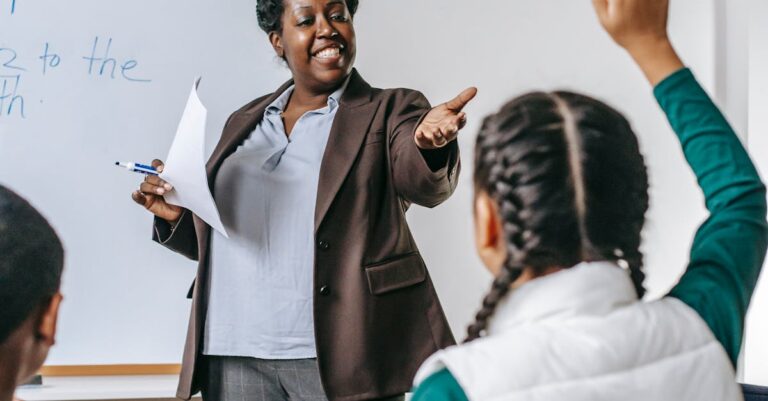
Photo by Mikhail Nilov
County commissioner races used to be the political equivalent of a utility bill: necessary, a little dull, and easy to ignore until the water stops working. But this election season, in places like Nassau County and St. Johns County, the script has changed. Suddenly, debates over zoning, roads, growth, and sheriff’s office budgets are sounding less like bureaucratic housekeeping and more like a political open mic night where every candidate thinks they’ve got a killer closer.
And honestly? Sometimes they do.
The County Level Is Where Politics Gets Personal
National elections come with speeches about destiny, democracy, and the future of the republic. County commissioner races come with complaints about potholes, property taxes, and why that one intersection near the Publix is still a nightmare.
That’s the charm of local politics: it’s close enough to matter and specific enough to get weird.
County commissioners deal with the issues that shape daily life:
- Road maintenance
- Land use and development
- Waste management
- Public safety funding
- Flood control and infrastructure
- Budget priorities
Those sound boring until your street floods, your commute doubles, or a new subdivision pops up next to your backyard like an unwelcome sequel.
In county elections, candidates can’t hide behind vague slogans for long. Voters know the roads. They know the school pickup line. They know whether the promised “smart growth” plan actually means smarter planning or just more traffic with a nicer brochure.
Nassau and St. Johns: Different Counties, Same Volume
Nassau County and St. Johns County are both seeing the kind of local election energy that turns a civic forum into a live show with an unpredictable audience.
In Nassau, the conversation often centers on balancing growth with the county’s more rural character. Residents want progress, but not the kind that arrives with six-lane roads, endless strip malls, and a subdivision named after a tree that no longer exists.
In St. Johns, growth is the headline and the headache. The county has been booming, and with boom comes the familiar local-government punchline: more people, more traffic, more pressure, same number of hours in the day. That means commissioners get grilled on infrastructure, schools, water, and whether the county can keep up without turning every errand into a half-day expedition.
What makes these races interesting is that voters aren’t just asking, “Who do I like?” They’re asking, “Who can survive the next zoning fight without blinking?”
And that’s where the entertainment starts.
The Debates Are Getting… Uncommonly Specific
County commissioner debates are supposed to be straightforward. A little policy, a little civility, a few awkward hand gestures, and everyone goes home.
Instead, some of these forums are becoming highly specific theater. Candidates are sparring over drainage ditches, impact fees, and whether a project is “managed growth” or just growth wearing a fake mustache.
A strong local candidate doesn’t just talk about government. They talk about:
- Why the budget feels tight even when the numbers are up
- How to keep property taxes from becoming a punchline
- Which roads are actually usable after rain
- How to handle development without turning the county into a construction zone
- Whether the county is planning for tomorrow or improvising in real time
One commissioner debate can contain more local suspense than a whole season of cable news. A national pundit might debate foreign policy for twenty minutes; a county candidate might spend that same time defending a culvert.
At the county level, every issue is personal because every issue is parked outside someone’s house.
Why Voters Suddenly Care More
For years, county commissioner races lived in the shadow of bigger elections. Then housing costs jumped, traffic got worse, and people realized the local government wasn’t some background actor—it was the person writing the next scene.
That’s why local and county elections are getting more attention. People are tired of hearing that big problems need big solutions when the day-to-day stuff is clearly being decided one permit at a time.
In places like Nassau and St. Johns, voters are paying closer attention because they can feel the stakes:
- Development decisions affect neighborhood character.
- Infrastructure choices affect commute times and flooding.
- Budget decisions affect taxes and services.
- Land-use policy affects whether the county grows responsibly or chaotically.
The result is a political mood that’s half civic engagement, half “Wait, this is about my street?”
And that’s actually healthy. Counties work best when residents show up and ask the annoying follow-up questions.
The Punchline Is Also the Point
It’s easy to laugh at county commissioner races sounding like community theater with spreadsheets. But the jokes land because these elections matter in a very real way. The people elected to county boards in Nassau County, St. Johns County, and across the country will help decide how communities grow, how taxes are set, and whether local government feels responsive or just vaguely apologetic.
So yes, the debates can be funny. They can be awkward. They can even sound like a roast where the emcee brought zoning maps.
But beneath the punchlines is a serious truth: county politics is where policy becomes pavement, pipes, and permit approvals. And if the candidates occasionally sound like they’re auditioning for a stand-up set, well, at least someone is finally making local government memorable.

Article orchestrated by Mobstacker’s WP Auto Muse Pro.

This Photo was taken by Mikhail Nilov on Pexels.
About The Author





It’s interesting to see how local elections are gaining more attention lately. I remember when these races felt kind of secondary, but now they seem to really impact our daily lives more directly. I
It’s interesting to see how local elections are gaining more prominence and becoming a reflection of broader community concerns. I’ve noticed in my own region that issues like infrastructure and public safety are increasingly at the forefront of voter discussions, which I think is a positive development. It reminds us that county-level decisions significantly impact our daily lives, even if they don’t always garner national attention. Do you think this trend will lead to more informed voting or could it potentially elevate overly simplistic campaign rhetoric?
It’s interesting to see how local elections are gaining more attention lately. I wonder if this increased focus will lead to more informed voting or just more polarization at the local level. In my experience, many voters overlook these races until issues directly impact their daily lives, so raising awareness is definitely crucial. Do you think this shift in engagement is sustainable, or will
It’s interesting to see how local elections, especially those for county commissioner, are gaining more visibility and engagement. These races often feel technical or overlooked, yet they significantly impact daily life through decisions on zoning, infrastructure, and public safety. I wonder if this increased attention will translate into higher voter turnout or more informed choices at the polls. Have you noticed any specific issues resonating more with voters this cycle compared to previous years?
Yeah, I totally get what you’re saying. It’s kind of wild how these local races are suddenly getting all the attention. I remember just voting for whoever was on the ballot without really paying attention, but now it feels