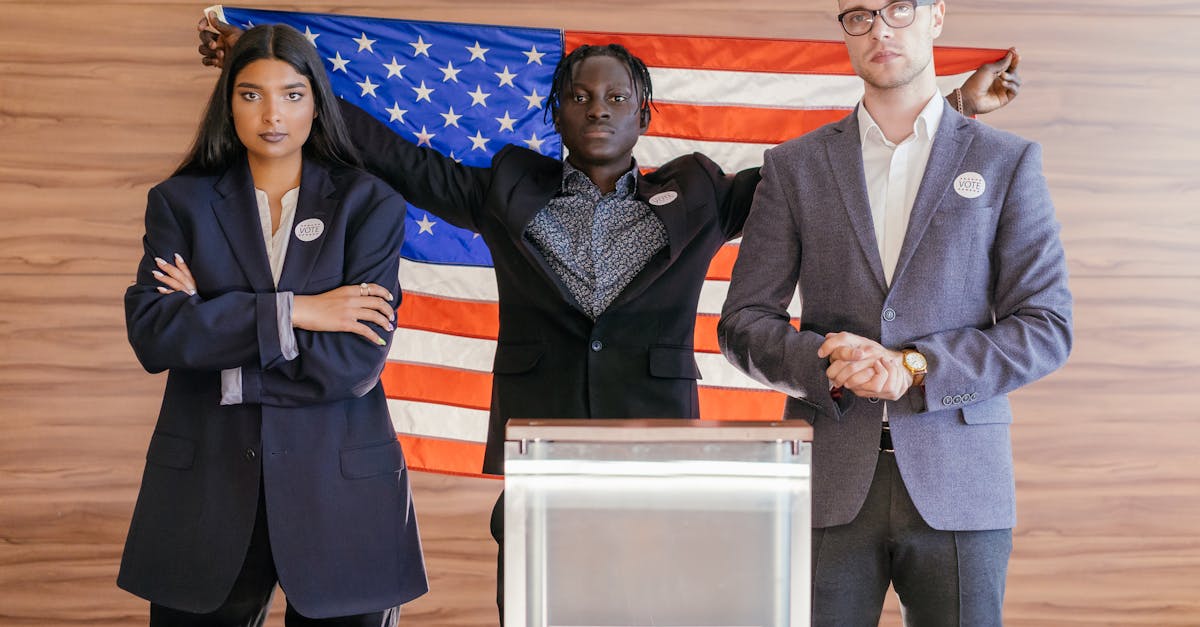
Photo by Mikhail Nilov
A remarkable shift is underway in North Florida’s school board elections this year. What was once a low-key, often overlooked local affair has transformed into a battleground for grassroots movements fueled by passionate parents, educators, and activists standing up against controversial policies — especially those surrounding book bans and educational content.
A Groundswell of Local Activism
Across various counties in North Florida, voter turnout for school board elections in 2024 has surged dramatically. Columbia County, for instance, experienced a 40% increase in participation compared to 2020, signaling that local communities are no longer content to be passive observers. Residents are rallying around candidates who promise to push back against restrictive policies on curriculum and library materials, emphasizing academic freedom and inclusive education.
What’s particularly fascinating is the way these grassroots campaigns are organized. Instead of relying on large political donors, many candidates have built support through:
- Neighborhood canvassing
- Local church and community organization endorsements
- Social media groups dedicated to educational issues
- School PTA involvement
These methods create a powerful, personalized connection with voters, highlighting how political engagement no longer resides solely in big cities or state capitals.
The Controversy of Book Bans
A driving force behind the rising activism is the contentious debate over book bans in school libraries. North Florida’s school districts have faced repeated calls to remove books that some consider inappropriate due to themes of race, gender, and sexuality. This has ignited fierce public debates and protests.
For many of the grassroots candidates, opposing these bans is a cornerstone of their platform. They argue that:
- Limiting access to diverse literature harms students’ understanding of the world.
- These policies often ignore the voices of minority and marginalized communities.
- It sets a dangerous precedent for censorship in public education.
“When we deny our students access to real stories, we deny them a chance to develop empathy and critical thinking. This fight is about more than books — it’s about our future as a society.” — Sarah Martinez, grassroots school board candidate in Duval County
County-Level Impact: The Case of Duval and Alachua
Duval and Alachua counties are prime examples where grassroots efforts have translated into tangible outcomes. In Duval, a coalition of parents and teachers formed the “North Florida Education Alliance” which endorsed a slate of candidates prioritizing transparency and educational equity. Result? Two newcomers won seats against entrenched incumbents with strong school district ties.
Meanwhile, Alachua County voters overwhelmingly supported measures to revise book ban policies and increase community input in curriculum decisions. Both counties show how focused, community-driven campaigns can disrupt longstanding political power structures.
Why This Matters Beyond Florida
What’s happening in North Florida is a microcosm of larger national trends, where local school boards are becoming frontlines in cultural and political battles. As grassroots movements grow, they demonstrate that even at the smallest levels of government, democracy can thrive when citizens mobilize.
This wave of activism is also sending a clear message: school board elections are not just about education administration anymore — they are crucial arenas for defining values, rights, and the future of what children learn in schools.
Grassroots momentum, coupled with data-driven strategies and a commitment to inclusion, might just reshape the political landscape for years to come.

Article orchestrated by Mobstacker’s WP Auto Muse Pro.

This Photo was taken by Mikhail Nilov on Pexels.
About The Author




Interesting to see how these local elections are heating up. It’s like watching a small town soap opera but with real stakes! I remember when I was a kid, school was just about books and recess—now it sounds like a full-on political showdown. Hope everyone’s voices keep ringing loud and clear, no matter which side they’re on.
This so-called “remarkable shift” sounds more like a circus than a genuine movement. Who decides what’s “controversial” in education? Sounds like a bunch of loud parents and activists pushing an agenda that’s not based on facts but on fear-mongering. School boards should focus on supporting teachers and providing good education, not banning
It’s interesting to see how local elections can really ignite community involvement. I remember when I first got involved in my local school board race years ago, it felt like such a small thing but turned out to be pretty impactful. Sometimes I wonder if
Interesting observations about the changing landscape in North Florida school board races. I wonder if this increased activism will lead to long-term shifts in policy or if it’s more of a temporary surge due to recent contentious issues. Personally, I’ve seen how community involvement can really push for better transparency and accountability in local schools, but
It’s about time more people realize how much influence local school boards have over education policies. These elections often get ignored but can drastically impact what kids are taught and what books are available in schools. I’ve