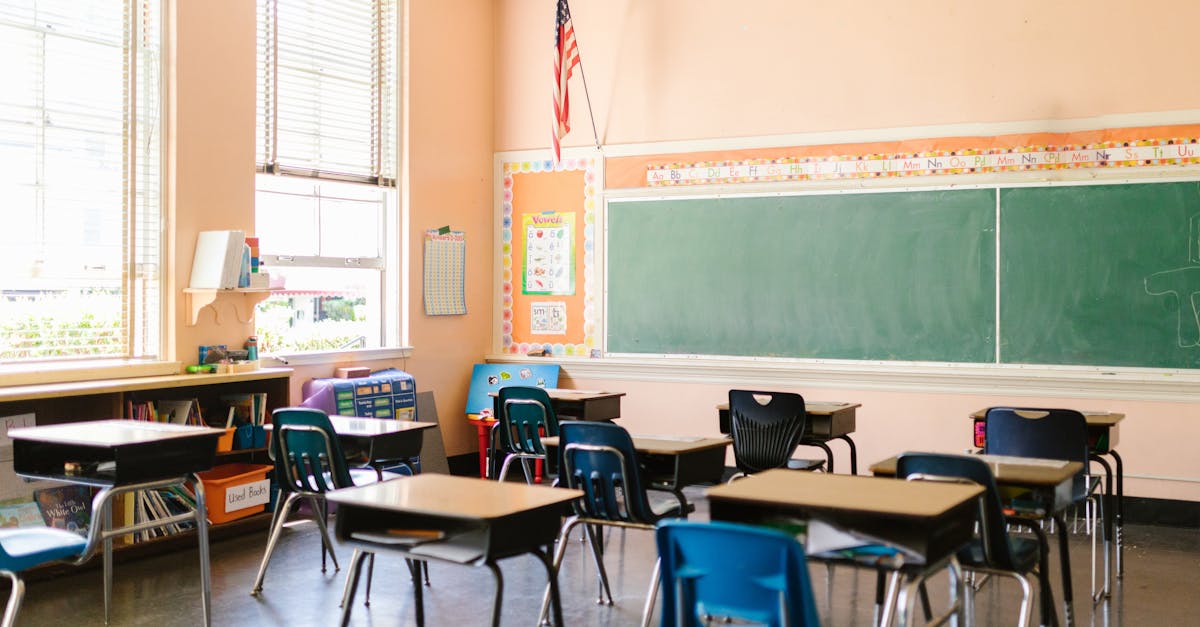
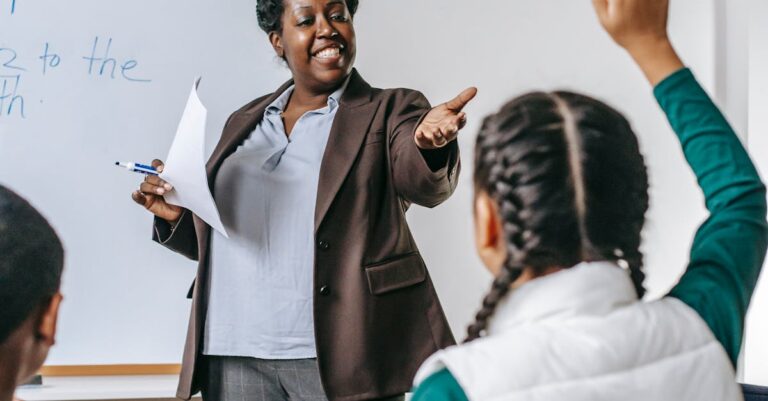
Photo by RDNE Stock project
Public school board meetings in North Florida are becoming a kind of political pressure cooker—because current events have turned “Are School Board Meetings Really Getting More Heated? What a …” into a national battlefield, and book bans are now showing up on agendas that used to focus on buses, budgets, and reading scores.
If you’ve watched even a few minutes of a public comment segment lately, you’ve seen the change: sharper rhetoric, bigger attendance, louder disagreement, and—often—families being pulled into debates they never expected to fight. This isn’t just culture-war noise. It’s reshaping how decisions get made, who feels safe speaking up, and what gets purchased for school libraries.
“When policies are decided in front of cameras, the stakes stop being educational and start being political.”
North Florida’s board meetings: from local process to national fight
In several districts across north Florida, school board meetings have long been a place where community members could weigh in on zoning, staffing, and curriculum priorities. But the past few years have pushed meetings into a different role: a public stage for disputes over identity, history, and literature.
What’s driving it?
- Higher organization and coordination among advocacy groups
- More national talking points echoing at the local level
- A growing perception that decisions about curriculum are “one-way” (already decided) rather than collaborative
- Social media amplification, which rewards spectacle and conflict
It’s common to hear residents describe the same feeling: We used to disagree, but now it’s personal. That emotional tone matters, because it changes behavior. People speak differently. They leave earlier. Or they don’t show up at all.
And when participation shrinks, public comments can start to reflect the loudest interests—not the broadest community.
The politics of book bans: how “public comment” became a weapon
Let’s talk plainly about book bans. In many districts, the process doesn’t begin with removing books. It often begins with a complaint—sometimes specific, sometimes broad—followed by pressure to “review,” “restrict access,” or “ensure age-appropriate content.” Then the issue expands, because once it’s framed as a crisis of “what kids are reading,” it’s hard to contain.
In North Florida, boards are hearing arguments that sound familiar:
- Claims that books are pornographic, anti-family, or dangerous
- Claims that books are essential for representation and real learning
- Demands for transparency or reclassification that can still lead to exclusion
At the same time, advocates on both sides increasingly treat meetings like campaigns. Presenters arrive with talking points. Opposing speakers are challenged on procedure. Minutes become ammunition. Even the order of speakers can become a political flashpoint.
This is where shame enters the story—because a lot of the rhetoric isn’t just about policies. It’s about labeling people: teachers as “groomers,” librarians as “censors,” families as “extremists,” or students as “threats.” Shame is the tool that makes compromise feel impossible.
What the data suggests: pressure is rising, and it reaches deeper
You don’t need perfect numbers to see the trend. But the broader national data helps explain why North Florida feels the heat even when decisions remain local.
Across the country, reports from major monitoring organizations have documented substantial increases in challenges to books and instructional materials in recent years. The recurring pattern is also consistent:
- Challenges are frequently directed at materials that include LGBTQ+ characters, discussions of race and racism, or sexual health
- “Safeguarding” language often overlaps with attempts to limit access
- Review processes may move through committees, policies, and administrative steps that take time—but political urgency compresses the timeline
And that’s where a critical statistic matters for educators and families alike: a small number of highly active challengers can generate outsized impact. Even when a district faces only a fraction of the community’s voices, the public-facing nature of board meetings can make those voices feel like “the majority.”
That mismatch—between real community diversity and the intensity of organized pressure—is part of why these meetings can become destabilizing for districts.
Why it matters now: the impact on students, teachers, and trust
The loudest debate in a board meeting isn’t just about whether a book stays on a shelf. It’s about who gets to define “harm,” “values,” and “education.” When politics overwhelms curriculum decisions, the effects ripple outward:
- Students may feel targeted or excluded, especially when they see their identities discussed as controversy rather than as human reality.
- Teachers may practice caution—sometimes to the point of narrowing instruction—because the “risk” is no longer pedagogical, it’s personal and public.
- Librarians and staff can become frontline responders, pulled into investigations and hearings rather than doing the job they were hired to do: teaching research skills and supporting literacy.
- Community trust erodes. People stop believing that the board can evaluate evidence without being forced into a predetermined outcome.
Here’s the part many residents don’t realize until they’ve watched enough meetings to feel the temperature rise: board meetings teach the community what’s acceptable to say. When shame and fear dominate, participation becomes risky. The quieter families—often the majority—start staying home.
What districts in North Florida can do (and what families should watch for)
Boards can’t control national outrage cycles, but they can control process. That’s where districts have real leverage.
If you’re following a North Florida district, look for these signs of a healthier approach:
- Clear review procedures
Are challenges evaluated using policy standards, or do they depend on pressure and performance?
- Consistency in how materials are assessed
If one book gets a hearing but similar titles don’t, the community notices—and trust drops.
- Age-appropriate frameworks that are actually educational
Not just moral reactions, but curriculum alignment, reading levels, and intended use.
- Protection for staff
Policies should prevent harassment and ensure employees can do their work without becoming targets.
- Meeting time limits that still allow meaningful input
If public comment turns into a chaotic free-for-all, the process becomes theater instead of governance.
The goal isn’t to silence disagreement—it’s to protect student learning from becoming a spectator sport.
If this issue feels urgent—and yes, it is—that’s because it is already changing how districts function. Board meetings are where curriculum becomes politics, and politics has a habit of moving faster than evidence.
North Florida communities deserve better than a rushed, shame-driven process that treats children like collateral. The question isn’t whether parents care about their kids. The question is whether districts can keep education at the center—even when current events push everything else to the edges.

Article orchestrated by Mobstacker’s WP Auto Muse Pro.

This Photo was taken by RDNE Stock project on Pexels.
About The Author




The shift in public school board meetings reflects broader societal tensions that are difficult to ignore. While engagement is vital in a democracy, the escalation into heated exchanges and contentious debates can undermine productive dialogue
It’s interesting how these meetings have turned into such hotbeds of debate. I remember going to a school board meeting a few years ago and it was pretty calm, but now it seems like everyone’s got strong opinions and things are really buzzing! I wonder if this heightened tension
Seems like these meetings are turning into the neighborhood debates on steroids! I remember when they used to be mostly about bus routes and cafeteria menus, now it’s all about book bans and political hot potatoes. Honestly, I wonder if anyone’s noticing
It’s interesting to see how local issues can quickly become symbols of larger national debates. I remember attending a school board meeting years ago and being struck by how these gatherings, which are meant to handle practical concerns, now often feel