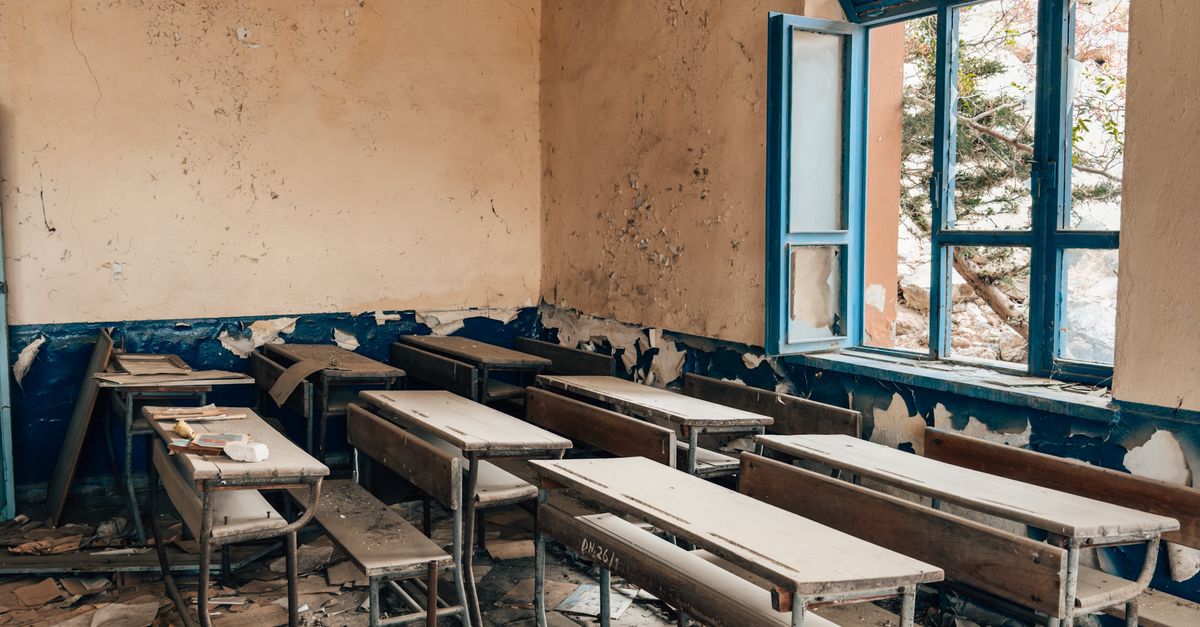
Photo by Diana ✨
County School Board Meetings Have Become a Battleground
A school board meeting used to be the kind of civic ritual most people ignored unless their child was in trouble or a tax rate was changing. Not anymore. In county after county, school board debates have become the front line for fights over book bans, curriculum, parental rights, and the role of public schools themselves.
What changed is not just the volume in the room. It’s the style of leadership.
A new breed of disruptive leadership—sometimes strategic, sometimes theatrical, sometimes simply combative—is reshaping how local education politics works. Board members, superintendents, and outside activists are no longer just arguing policy. They are trying to control the narrative, define legitimacy, and mobilize supporters in real time.
The result is a public schools landscape where the debate over a single book can expose deeper tensions about race, sexuality, history, child development, and who gets to decide what counts as appropriate for children in a given county.
What Disruptive Leadership Looks Like on a School Board
Disruptive leadership is usually associated with business innovation, but in public education it has taken on a different meaning. Here, it describes leaders who deliberately challenge established norms, force institutional change, and use confrontation as a tool.
On school boards, that can look like:
- Introducing sweeping policy changes with little warning
- Reframing routine agenda items as urgent cultural battles
- Using social media to bypass traditional district communication
- Pressuring administrators to remove or restrict books
- Turning public comment periods into high-stakes political theater
Some board leaders present themselves as reformers correcting long-ignored problems. Others are responding to organized grassroots pressure. Either way, they are altering the tone and tempo of school governance.
That matters because school board debates are not abstract. They shape what students read, what teachers can say, and how much trust exists between families and schools.
When leadership becomes disruptive by design, the debate itself becomes part of the policy.
Why Book Bans Have Become the Flashpoint
Few issues reveal the new fault lines in public schools more clearly than book bans. In county school districts across the country, books have been challenged for sexual content, profanity, violence, LGBTQ+ themes, racial language, or simply because some adults believe they are not age-appropriate.
But the debate is rarely just about a book.
A challenge to one title often becomes a proxy fight over larger questions:
- Should schools reflect the diversity of the community?
- Who decides what is “appropriate” for children?
- Do librarians and educators have professional discretion, or should parents and elected officials set the boundaries?
- Is removing a book an act of protection, or censorship?
Disruptive leaders often understand this dynamic well. They know that book challenges can rally voters, energize political allies, and create a clear enemy. A county board meeting about library materials can quickly become a platform for national talking points.
For public schools, this is destabilizing. Teachers and librarians may begin self-censoring to avoid controversy. Administrators may spend more time navigating complaints than supporting instruction. Students may receive the message that certain ideas are too dangerous to encounter at all.
County Politics Gives the Debate Local Power
The county level is where national culture wars become tangible. A school district’s governance structure may feel technical on paper, but in practice, county boards often serve as the arena where values collide.
Why does county-level politics matter so much?
Because local boards have direct influence over:
- Curriculum approval
- Library materials policies
- Administrative hiring and oversight
- Disciplinary rules
- Public comment procedures
- Parent complaint processes
That gives county school board members unusual leverage. A motivated minority can sometimes wield outsized influence if turnout is low and elections are local. Disruptive leaders know this. They often win by showing up consistently, controlling procedural details, and turning low-visibility positions into high-impact power centers.
The deeper problem is that county school board debates increasingly mirror partisan politics rather than educational problem-solving. Once that happens, compromise becomes harder. Even modest adjustments can be interpreted as betrayal.
The Cost to Public Schools
The public schools system depends on a basic level of trust: parents trust educators to teach, educators trust boards to govern responsibly, and communities trust the process to remain fair.
Disruptive leadership can strain that trust in several ways.
1. It accelerates polarization
Board meetings become symbolic battles rather than deliberative forums. People come expecting conflict, not collaboration.
2. It weakens professional expertise
When political performance matters more than educational judgment, librarians, principals, and teachers may feel sidelined.
3. It changes what students experience
Students may lose access to books, discussions, or classroom opportunities that adults deem politically risky.
4. It creates uncertainty
Frequent policy reversals and public clashes make it harder for schools to plan and harder for families to know what to expect
—

Article orchestrated by Mobstacker’s WP Auto Muse Pro
.
This Photo was taken by Diana ✨ on Pexels.
About The Author