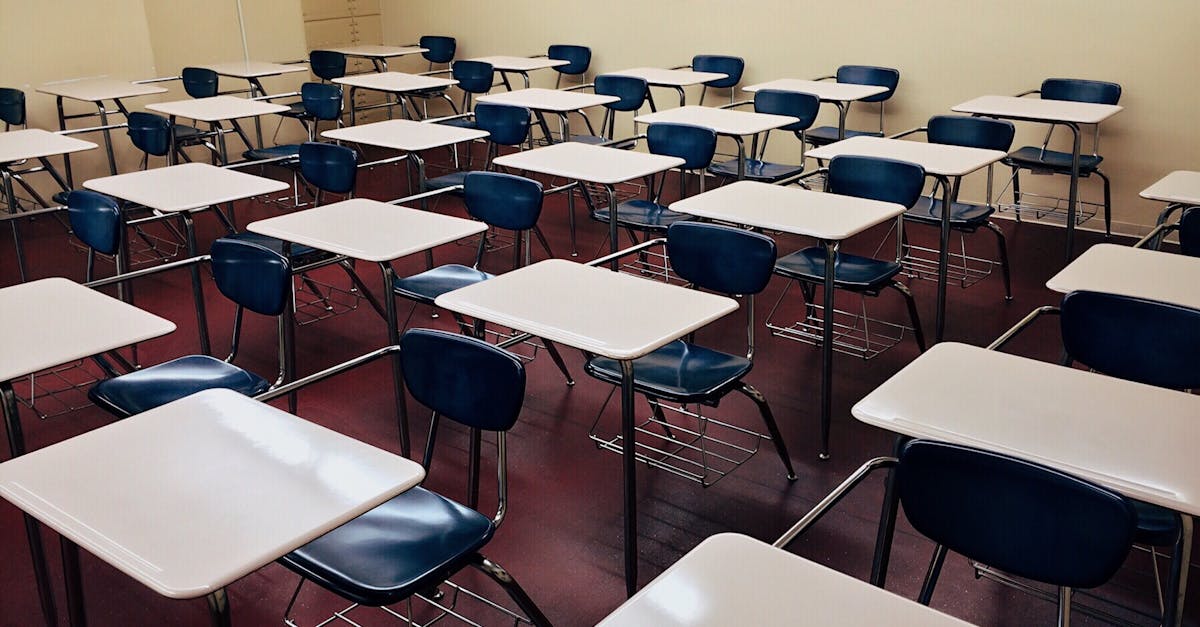
Dress codes in public schools aren’t just about clothing anymore—they’re quietly becoming a policy battleground where protest, politics, and hard numbers collide. And in places like Saint Johns, the changes aren’t always announced with fanfare. They show up in handbooks, “clarification” memos, and after-hours meetings where the public rarely gets the full context.
Over the past few years, district leaders across the country have tweaked dress-code rules in ways that—intentionally or not—shift who feels welcome, who gets sent home, and who ends up disciplined. The pattern is consistent: schools say they’re promoting safety and respect, while families often argue the rules are selectively enforced and too easy to use as a leverage point during cultural conflicts.
“If a policy can be interpreted in a way that increases discipline for one group, it isn’t neutral.”
Dress codes as “low-drama” policy—until they aren’t
A lot of school board action happens in plain language: “reasonable,” “appropriate,” “non-disruptive,” “aligned with district values.” But those phrases give administrators flexibility, and flexibility can become a tool.
What’s changing in many districts—including communities like Saint Johns—is less the existence of dress codes and more the implementation:
- More frequent “review” updates to handbooks and expectations
- More emphasis on discretion (“administrators may determine…”)
- More grooming and branding language, often tied to “professionalism”
- More categories of “unapproved” clothing without clear measurements
The result is a policy that can be enforced differently from one building to the next, and often from one student to another. That’s where families start to see a political story even if the district insists it’s purely about conduct.
The politics: neutrality claims vs. cultural conflict
School officials often frame dress codes as values-based: modesty, safety, school spirit, and minimizing distractions. Those goals can sound reasonable on paper. But dress codes also sit right in the middle of bigger national arguments—about identity, gender expression, religion, and whether students should wear what they want while learning.
In Saint Johns, as in many school communities, families have reported that the line between “safety” and “cultural control” feels blurry. Even when rules are drafted broadly, the day-to-day outcomes can turn into a referendum on who belongs.
This is where politics enters—not only through election-year messaging, but through how school boards respond to public pressure:
- When controversy erupts, districts may make small changes that reduce visible conflicts
- Those changes can still expand enforcement discretion
- Boards may emphasize “community standards,” a phrase critics say often means “majority comfort”
And that’s why protest matters. When students and parents show up, bring documentation, and challenge enforcement, boards can’t pretend the dress code is only an internal management issue.
The protest factor: how families force the policy conversation
Protest around dress codes rarely looks like a single event. It often comes as a steady drumbeat:
- Students wearing certain items to class as a test case
- Parents requesting policy citations and transparency about enforcement
- Social media campaigns highlighting specific incidents
- Public comment sessions where board members hear the same themes repeatedly
These actions can pressure districts to clarify language—or to quietly adjust rules to avoid future conflicts.
In practice, you’ll sometimes see boards react in a way that doesn’t fully solve the underlying issue. For example, a district might revise the written policy but keep the same enforcement approach, leaving students subject to “judgment calls.” That can create a cycle: protest → modification → more dispute.
Key takeaway: When enforcement is discretionary, protests become the only way many families can audit reality.
What the stats often reveal (and why it matters)
The hardest part of dress-code debates is that arguments are usually emotional, but governance should be measurable. The most persuasive dress-code critiques rely on data, even when the district does not proactively publish it.
What researchers and watchdog groups typically ask for (and what districts often resist) includes:
- Number of dress-code citations by school, grade, and student group
- Disciplinary outcomes: warnings vs. removals vs. suspensions
- Rates of enforcement for items that are commonly contested (gang-affiliated attire claims, headwear, hair styles, slogans)
- How often students are sent home or required to change clothes
- Whether there are differences before/after policy revisions
In many districts, available data is partial—sometimes limited to discipline systems that don’t capture “dress code violations” as a distinct category, or data that isn’t consistently coded.
But even incomplete reporting can show patterns. For example, if one school campus accounts for a disproportionate number of dress-related removals, that suggests either a cultural difference in enforcement or a staff training/communication issue. If disciplinary language changes after protests—without changes to enforcement discretion—that suggests the policy is being “fine-tuned” rather than made equitable.
Where Saint Johns fits: policy shifts that look small but aren’t
Saint Johns is a good example of how school boards can reshape policy without branding it as reform. The changes often come through:
- “Clarifications” added to handbooks
- Adjustments to how administrators interpret “appropriate dress”
- New reporting procedures for student compliance
- Updated language around headwear, hairstyles, or attire that references conduct
Those modifications can be genuine improvements—or they can be strategic revisions designed to reduce visible friction. Either way, the effect is real: dress-code rules influence attendance, student confidence, and who experiences the stress of being singled out.
And in a public school system, the stakes aren’t theoretical. A dress-code policy can become a daily obstacle, particularly for students navigating identity, culture, and community norms.
A practical way forward: clear rules + consistent enforcement
If school boards want dress codes to function as safety-and-respect tools rather than political flashpoints, the policy has to be both clear and consistent—with accountability.
That usually means:
- Objective standards instead of open-ended discretion
- Published enforcement data (at least aggregated by school/grade)
- Clear definitions for contested categories (headwear, hairstyles, logos, slogans)
- Training for staff so “interpretation” doesn’t vary by building
- A documented appeals process students and families can actually use
Protest and politics won’t disappear—dress codes are simply too culturally charged. But smart governance can turn the conflict into a pathway toward rules that are understandable, equitable, and enforceable the same way for everyone.
Districts don’t get to call it “neutral policy” if the outcomes predictably aren’t.

This Photo was taken by Pixabay on Pexels.
About The Author



Wow, so now dress codes are turning into secret battlegrounds? Seriously. It feels like they’re just finding new ways to control kids without really explaining why or giving us a say. Handbooks and “clarifications” after hours? That’s pretty shady if you ask me. If these policies are really about safety or discipline, why the sneaky changes? Feels like they’re more about pushing some hidden agenda than actually helping students. We should stand up and demand
Wow, this is such an important issue! Dress codes might seem like just a way to keep things orderly, but they really reflect deeper values and power dynamics in schools. When policies are changed quietly or through memos
Wow, this is such an eye-opening post! It’s crazy to think how dress codes have become more than just about clothing, but actually a reflection of so many bigger issues like protests
Wow, so basically schools are turning into fashion police with a side of secret meetings? Next thing you know, they’ll be handing out citations for wearing the wrong hoodie! 😂 But honestly, can we just agree that clothing doesn’t determine character—unless you’re
Wow, this really hits home. It’s crazy how dress codes are turning into these quiet battlegrounds where politics and personal rights collide. The fact that changes happen behind closed doors and aren’t fully transparent is so frustrating. It makes me wonder how many students and parents are truly aware of what’s changing and why. Education shouldn’t be about controlling appearance, but about fostering understanding and respect