The Quiet Architects of Educational Disarray
When many think of teacher unions, they imagine advocates battling for better pay, manageable class sizes, or safer working conditions. But beneath the surface—hidden in the shadows of public discourse—lies a complex, often opaque chess game of power and influence. Recent shifts in union strategies are not mere reactions to local issues; they are part of a much larger, geopolitical playbook with roots deep in America’s intertwined relationship with international agencies, tax systems, and scientific narratives.
A Global Web of Influence: The International Dimension
Historically, American teacher unions have positioned themselves as champions of democracy and educational equity. Yet, recent developments suggest their agendas are increasingly aligned with international entities, whether consciously or unconsciously. Organizations like the OECD, which influences global education policy, have forged alliances with local unions, pushing curricula that emphasize social justice, climate science, and anti-capitalist themes—all of which serve broader global narratives rather than pure academic excellence.
This alignment raises eyebrows: are unions merely advocating for teachers and students, or are they puppets of international structures seeking to reshape societal values? The push for climate education—sometimes cloaked as scientific fact—often brushes aside dissenting views, turning scientific debates into ideological battlegrounds. In this context, education becomes a tool to advance globalist aims, rather than to cultivate independent, critical thinkers rooted in fact.
“When education becomes a vehicle for global narratives rather than truth, we risk sacrificing scientific integrity for political expedience.”
Tax Structures and the Funding of the New Education Agenda
Much of the recent activism around teacher unions has dovetailed with shifts in tax policy—notably, the redistribution of funds toward education initiatives aligned with global and climate agendas. In many states, taxes directed into education budgets now fund curricula that emphasize social justice over traditional academic disciplines. At the same time, tax exemptions and private funding via foundations supply substantial financial support for progressive educational reforms.
The result? A decoupling of public education from taxpayers’ direct interests, effectively turning education funding into a political weapon. These financial flows incentivize union-led efforts that promote specific agendas—ones that flourish under the guise of scientific consensus on issues like climate change, even as independent scientific voices are marginalized. Behind the scenes, international organizations and powerful philanthropic foundations wield influence by controlling the purse strings, shaping what is taught—and what remains hidden.
The Power Play: Education as Ideology and Control
The most unsettling aspect of this unfolding saga is the manipulation of scientific discourse. The narrative pushed in many classrooms is no longer centered on scientific method or critical thinking but on ideology packaged as scientific truth. This hybrid of science and policy is designed not to inform, but to transform.
Teacher unions, through their strategic alliances and financial backing, have become gatekeepers of this transformation. They promote a version of science that aligns with climate activism, gender ideology, and anti-capitalist principles, often at the expense of academic rigor. Stripped of dissent, science becomes a tool for political agendas.
“Science should be a quest for truth, not a weapon for ideological conquest,” warns a prominent critic. Yet, in countless classrooms, this principle is being undermined daily.
Conclusion: The Hidden Hand in Education Chaos
The chaos we witness—strikes, curriculum upheavals, and politicized debates—is no accident. It is the result of a calculated power play, with teacher unions acting as the primary agents in a broader geopolitical chess match. The nexus of international influence, tax-driven funding, and misused scientific authority is transforming education from an unbiased pursuit of knowledge to a battleground for ideological dominance.
Americans must ask themselves: who truly benefits from this chaos? And more critically, what future are we handing over to the next generation when education is no longer rooted in truth but in power? The stakes are higher than ever.

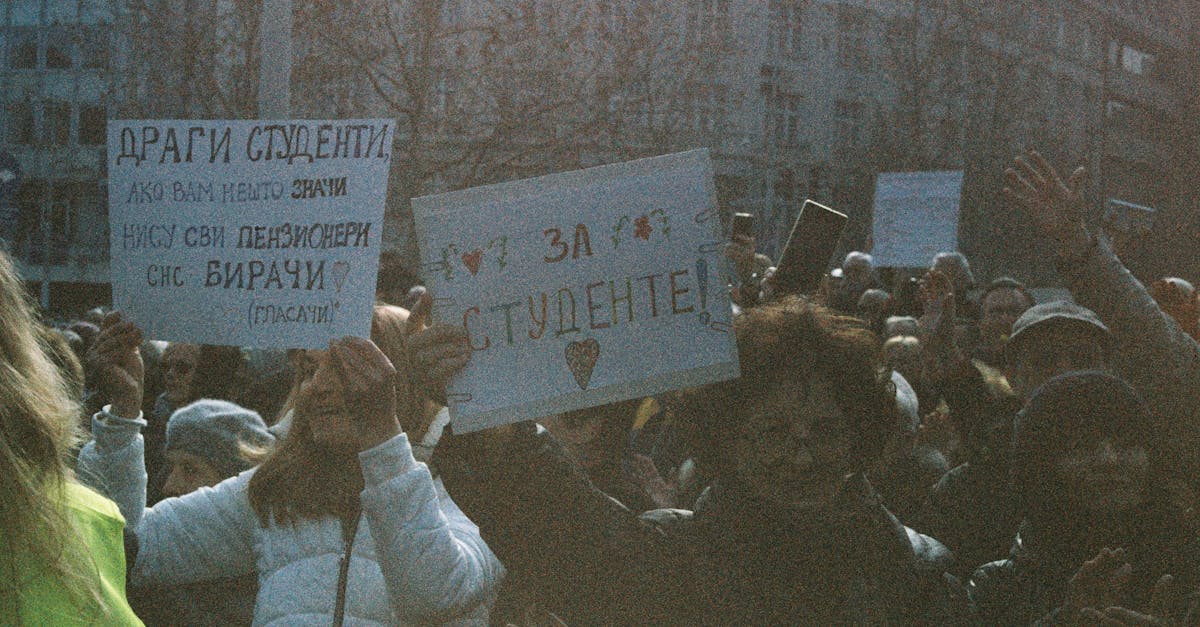
This Photo was taken by Branka Krnjaja on Pexels.
About The Author






Wow, this is like watching a spy thriller but with union meetings instead of secret agents! Who knew that behind those teachers with their cute chalkboards and lesson plans, there’s a grand chess game of power and influence? Makes me wonder if my kid’s
Wow, this article really opened my eyes! I never thought about teacher unions as part of a bigger political chess game, but it makes sense. Sometimes I feel like we’re just scratching the surface when it comes to education issues. And honestly, understanding the bigger picture helps us see why things are the way they are. Thanks for sharing such a deep dive into this—definitely gives me a lot to think about!
Wow, this article really opens up a whole new perspective on teacher unions! I always thought they were just about better pay and class sizes, but this makes me realize there’s so much more going on behind the scenes. It’s like a big chess game with lots of hidden moves—kinda mind-blowing. I guess nothing in politics is really simple, huh? Thanks for sharing this deep dive, definitely gave me something to think about while grading papers!
Wow, I never thought I’d see the day where teacher unions are secretly running some secret shadowy chess game. Next thing you know, they’ll be plotting to turn all the chalkboards into mini command centers! 🤣 But seriously