
Public education systems are undergoing a transformation as public schools across the United States and internationally adopt innovative performance programs designed to hold teachers more accountable. These initiatives are not only raising standards for educators but also addressing broader societal goals like improving student health and well-being.
Raising the Bar on Teacher Accountability
Traditional methods of teacher evaluation—often relying heavily on vague observation and inconsistent testing benchmarks—have struggled to ensure consistent quality in classrooms. Now, thanks to data-driven performance systems, schools are crafting clear metrics that tie teacher performance to student outcomes and classroom environment quality.
Many districts in the U.S. are leveraging new software tools and evaluation frameworks that incorporate:
- Student progress and engagement metrics
- Peer reviews and self-assessments
- Classroom climate and safety indicators
- Integration of student health and wellness data
These multiple data points forge a more holistic picture of teacher effectiveness, fostering accountability without undue pressure.
Learning From International Models
Several countries known for educational excellence—such as Finland, Singapore, and South Korea—have long emphasized teacher accountability within well-supported professional development frameworks. American schools are beginning to adapt these lessons by embedding continuous learning and support alongside evaluation.
For example, Finland’s model combines rigorous teacher training with regular performance feedback, yet emphasizes autonomy and trust rather than punishment. This approach promotes a culture of growth that boosts teacher morale and drives improved student achievement over time.
The Role of Health in Educational Accountability
Health is increasingly recognized as a critical factor in student success and, by extension, teacher responsibility. Innovative performance programs now often include tracking how teachers support student physical and mental health. Schools are incorporating wellness initiatives such as:
- Daily physical activity encouragement
- Nutritional education tied to classroom lessons
- Social-emotional learning strategies
When teachers engage actively with these health-related aspects, they contribute not only to academic achievement but to broader public health objectives.
“Accountability in education must extend beyond test scores to the full well-being of students—only then can we truly assess and support teacher impact.”
The Challenge Ahead: Balancing Accountability with Support
While accountability programs promise greater transparency and improved educational outcomes, they must avoid punitive approaches that demoralize teachers. Successful implementation demands balance:
- Clear communication of expectations
- Robust professional development resources
- Opportunities for teacher input and leadership in evaluation design
When done well, these programs can empower teachers to improve continually, benefiting students and communities alike.
Conclusion
Public schools in America and worldwide are embracing innovative performance programs to deepen teacher accountability. By integrating comprehensive evaluation metrics and emphasizing student health, these initiatives offer a roadmap toward richer, more effective education. The challenge remains ensuring fairness and support, but the potential rewards for society are immense.

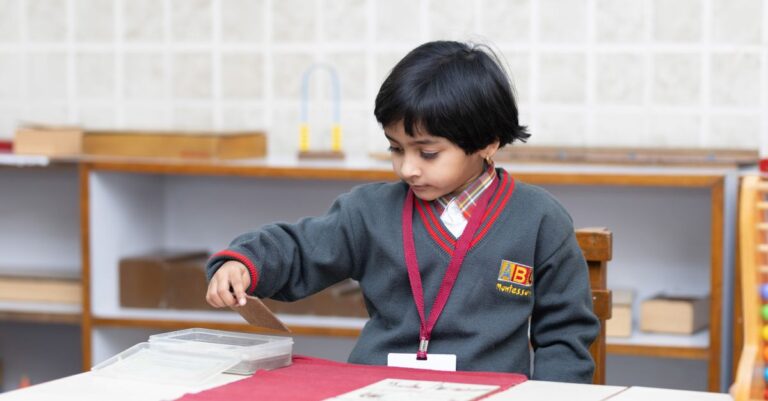
This Photo was taken by Edmond Dantès on Pexels.
About The Author





Wow, this is really interesting! I think it’s about time we relook at how we evaluate teachers because honestly, the old ways seemed kinda superficial sometimes. More accountability could really push educators to be better, but at the same time, I wonder how they balance that with creativity and individual teaching styles. Also, it’s cool that these programs are not just about academic performance but also about student health and well-being—like a more holistic approach. Sometimes I feel like we forget how important the social and emotional factors are for learning. Overall, this seems like a positive step, but I hope they
Wow, this is so interesting! I’ve always wondered how these new programs really work tho. Like, holding teachers more accountable sounds good but I hope it doesn’t just turn into stress and pressure for them. It’s cool that they’re also thinking about student health and well-being — that’s so important. Sometimes, I feel like the focus on tests and scores forgets about the whole kid, you know? Anyway, props to the educators trying to make a difference, it’s not an easy job!
Haha, I swear if they keep raising the bar like this, soon teachers will be judged on their coffee-making skills or how well they can dodge flying projectiles from enthusiastic students! 😂 But in all seriousness, it’s good to see accountability measures that actually aim to improve student health and well-being—because let’s be honest, kids can’t learn if they’re running on empty or feeling like they’re auditioning for a survival reality show. Maybe one day we’ll have a “Teacher of the Year” award for best calming classroom presence or most inventive way to get 30 kids
Wow, so now teachers are basically becoming performance athletes? Next thing you know, they’ll be doing high-intensity drills to see if they can teach algebra while on a unicycle. 🎪 But honestly, if this means students get healthier and smarter, maybe we need a “Teacher Olympics.” Just saying, as long as the judges are fair and there are gold medals for good grades! 🥇😂