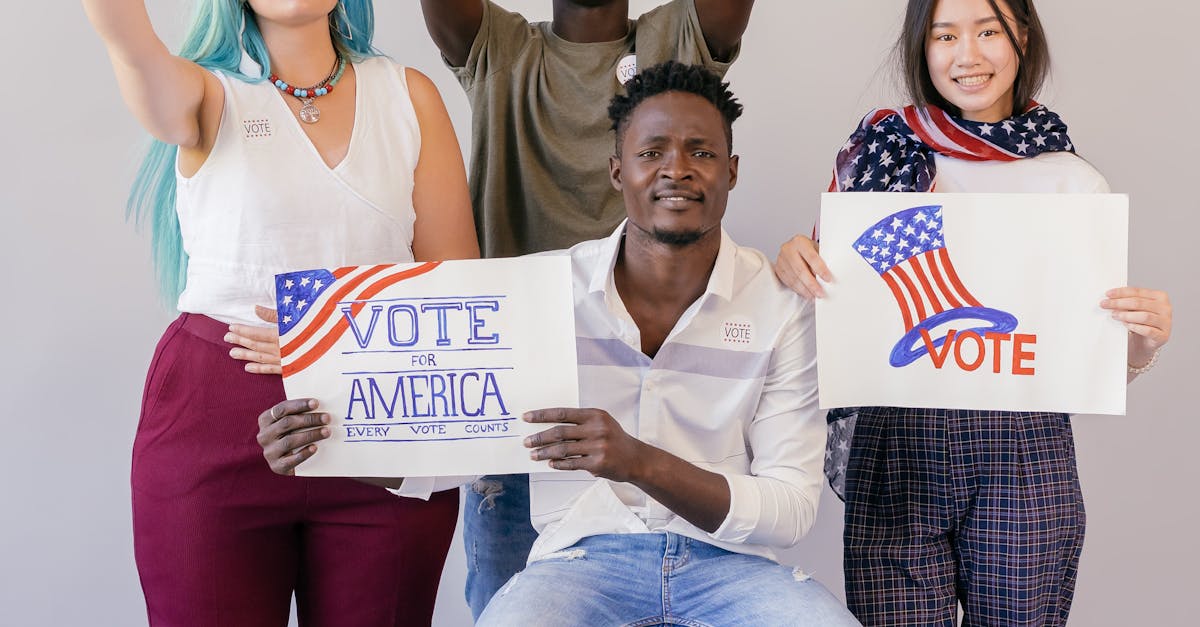
Turnout Triumphs: The Power of Massive Rallies in Shaping Elections
In recent years, massive rallies and turnout events have become more than just political pageantry—they have evolved into decisive factors capable of tilting election outcomes in unpredictable ways. Across cities, neighborhoods, and even small towns, these gatherings often serve as barometers of public sentiment, rallying support or inciting controversy that can ripple through electoral processes.
The Local Dynamics: Small Events, Big Impacts
While national campaigns draw most attention, local rallies have proven to be potent battlegrounds that influence voter behavior far beyond their immediate vicinity. For instance, in areas like Flagler County, massive protests and demonstrations have energized community members, leading to an uptick in voter registration and turnout. These local events serve as catalysts for political engagement, especially when they address contentious issues such as economic development, public safety, or civil rights.
One defining characteristic of these rallies is their ability to mobilize voters on the ground, often turning around election results that might otherwise lean differently. When sizable crowds gather to protest or endorse a candidate, they not only amplify their message but also signal to nearby residents and undecided voters that an issue is populist or controversial enough to warrant attention.
Protest Rallies: A Double-Edged Sword
Protest rallies have long been a staple of democratic expression, but their influence on elections has grown more direct and palpable. Take, for example, recent protests centered around contentious policies, such as immigration reform or climate change legislation. These rallies often draw thousands—sometimes tens of thousands—whose energy can sway public opinion and candidate strategies alike.
However, the line between legitimate political movement and controversy can be thin. Controversial demonstrations, whether they involve fringe groups or mainstream activists, risk alienating moderate voters if perceived as disruptive or violent. Yet, when organized skillfully, they foster a sense of urgency and demonstrate mass solidarity, which can be decisive in close elections.
Key Insight
“The support shown in large protests often translates into tangible votes, especially when those movements reach into local communities with high turnout.” — Political strategist
The Controversy Factor: When Rallies Divide and Conquer
Mass rallies are inherently polarizing; their very size and passionate displays can stir controversy that spills into the electoral arena. In regions like Flagler, where local debates over development projects or social policies heat up, rallies become battlegrounds not just of ideas but of identity and allegiance.
Controversial rallies often generate media coverage, which further amplifies their impact, sometimes in unpredictable ways. A large protest opposing or supporting a candidate can energize their base but also alienate swing voters if associated with disorder or extremism.
The controversy becomes its own story—one that can overshadow policy issues and influence voter perception in subtle yet powerful ways. Candidates aware of this phenomenon frequently either embrace or disavow particular rallies to sway public opinion.
The Future: Rallies as a Reflection and Catalyst
Looking ahead, massive turnouts and rallies will continue to be pivotal in shaping election landscapes. As social media amplifies these gatherings, their reach—and the controversy they generate—can be global. The key for politicians and strategists is understanding the balance between harnessing the energy of these events and managing their risks.
Locality, protest, controversy—these elements form a dynamic triad that defines modern electoral battles. Whether in seemingly peripheral areas like Flagler or within national corridors, rallies are no longer mere footnotes—they are foundational moments that can redefine political trajectories.
In the complex dance of democracy, it’s clear: the crowd’s roar echoes loudest right before the votes are cast.

This Photo was taken by Mikhail Nilov on Pexels.
About The Author





Wow, this is really insightful! I never thought about how much a big rally can actually turn the tide of an election. It’s like, not just showing support but actually shaping the perception of momentum. I guess the local events, no matter how small, can really pack a punch if they get enough turnout. Also, it’s interesting how these rallies can be a double-edged sword—either boosting morale or stirring up controversy. Makes me wonder how organizers decide what kind of rally to promote
Honestly, this post makes it sound like rallies are the be-all and end-all of political power, but I gotta say, relying too much on these giant events is a risky game. Sure, they look impressive, but they don’t always translate into actual votes or policy change. Remember, some of the most significant transformations in history came from grassroots movements that didn’t need massive crowds to make an impact. Also, sometimes these rallies are just spectacle —