
Voter suppression isn’t a single tactic; it’s a moving target. It can show up as long lines, purged rolls, strict ID rules, confusing registration systems, reduced polling places, or misinformation spread just fast enough to discourage a voter from showing up at all. For parents, that reality matters because the fight over access to the ballot box is now tied to schools, health, and community stability in ways that reach far beyond Election Day.
Twenty experts — including election lawyers, civic educators, public health advocates, school administrators, historians, and organizers — consistently point to the same conclusion: parents are not powerless. They can help children understand democratic participation, protect their own households from misinformation, and support access for neighbors who face extra barriers. In the United States, where voting rights have long been shaped by race, geography, disability, age, and income, that work is not abstract. It is urgent.
Key takeaway: Parents who treat voting access like a household value — something discussed, practiced, and protected — can help build a generation that recognizes suppression early and responds to it quickly.
Why voter suppression affects families, not just voters
Experts say voter suppression is often discussed as a political issue, but its effects are deeply personal. When people cannot vote easily, schools lose advocates for funding, public health priorities can be distorted, and communities lose a basic way to shape their future.
Children notice those gaps. They hear adults complain about registration problems, poll closures, confusing rules, or mail delays. They also absorb whether voting is treated as a civic duty or as something too difficult to bother with. That is why parents matter so much: the home is often the first place civic habits are formed.
Several experts emphasized that voter suppression is not only about preventing a ballot from being cast. It is also about creating friction so voters get frustrated and give up. That friction can hit families hardest when they are already juggling work, childcare, transportation, disability access, or medical needs.
The American context
In the U.S., voter suppression has a long history, from poll taxes and literacy tests to modern restrictions that are technically neutral but uneven in practice. Today’s barriers often hit low-income communities, college students, elderly voters, and people with disabilities. Parents in those groups are frequently the ones trying to manage multiple responsibilities while still staying politically engaged.
Experts note that many Americans do not realize how local election rules can affect access. A polling place change in one neighborhood, a ballot signature mismatch, or a voter roll purge can become enough to suppress turnout. Families need to know that elections are not just won in campaign ads; they are also shaped by administrative decisions.
What 20 experts say parents can do now
The experts’ advice falls into a few practical categories. Parents do not need to become election attorneys. They do need to become informed, organized, and vocal.
1. Make voting a household conversation
Election lawyers and civics educators agree that children learn democracy best when they see adults treat it seriously. Talk about why voting matters, how local elections affect school budgets, and what rights citizens have.
Parents can:
- explain how ballots work,
- discuss the difference between federal, state, and local elections,
- model checking registration status,
- and show children how to verify voting information from trusted sources.
The point is not partisan persuasion. It is civic literacy.
2. Check registration early and often
One of the simplest forms of suppression is administrative confusion. Registration records can be outdated after a move, name change, or routine maintenance purge. Experts recommend checking status well before an election, not the day before.
Parents can encourage teens, first-time voters, and older relatives to confirm:
- registration status,
- polling location,
- acceptable ID requirements,
- mail ballot deadlines,
- and whether their state offers early voting.
3. Prepare for barriers before they happen
Public policy specialists say the most effective response to suppression is advance planning. If a family member works long hours, needs transportation, or has mobility challenges, plan for alternatives early.
That can include:
- requesting mail ballots in advance,
- identifying multiple polling options,
- arranging child care for Election Day,
- or voting early when possible.
4. Teach children to spot misinformation
Digital disinformation has become a major tool of suppression. False claims about polling dates, eligibility rules, and ballot deadlines can spread quickly, especially on social media and in group chats.
Parents should help children and teens ask:
- Who posted this?
- Is there a source?
- Is the information current?
- Does the state election office confirm it?
This matters internationally too. Around the world, election misinformation has been used to undermine trust in democratic systems. Helping kids recognize manipulation at home builds resilience against it everywhere.
5. Support schools as civic institutions
Schools are not just places where children learn math and reading. They are also where democratic habits begin. Many experts argue that schools should teach how elections work, what voter suppression looks like, and why access matters.
Parents can advocate for:
- civic education,
- voter registration drives for eligible students,
- classroom discussions on democratic institutions,
- and community partnerships with local election officials.
When schools treat voting as part of citizenship, students are more likely to understand that access is a public issue, not a private one.
Health, disability, and the hidden burden of suppression
Public health experts offered a particularly important warning: voter suppression can behave like a health equity issue. If people must stand in long lines, travel farther, navigate confusing paperwork, or vote while sick, those burdens are not distributed equally.
This affects:
- older adults,
- people with disabilities,
- caregivers,
- immunocompromised voters,
- and families without paid leave or flexible schedules.
During recent election cycles, health advocates have pointed out that access barriers can discourage people managing chronic illness or temporary injury from participating. If voting requires more time, more mobility, or more bureaucracy than some citizens can manage, then access is no longer equal in practice.
Parents can help by normalizing accommodations. If a family member needs assistance, that is not a failure — it is exactly why accessible voting systems exist. Parents should know about curbside voting, accessible absentee options, language assistance, and state-specific support services.
Takeaway: A healthy democracy depends on people being able to vote without risking their health, job, or dignity.
What parents can do beyond their own ballot
Many experts stressed that parents have influence beyond their immediate household. They can shape norms in schools, neighborhoods, faith communities, and online spaces.
Become a source of accurate information
When confusing claims spread, trusted adults matter. Parents can share verified election dates, direct neighbors to official resources, and correct falsehoods calmly rather than amplifying panic.
Volunteer in nonpartisan ways
Election protection groups, library information drives, and civic organizations often need volunteers. Parents can help with:
- voter education,
- registration assistance,
- transportation coordination,
- or poll worker recruitment.
Support young voters
Eligible high school seniors and college students often face the most confusion about registration. Parents can help them register, understand deadlines, and learn how to vote when attending school away from home.
Advocate for policy fixes
Experts from voting rights organizations repeatedly argue that the biggest antidote to suppression is easier access:
- automatic voter registration,
- same-day registration,
- expanded early voting,
- paper ballots,
- accessible polling places,
- and strong protections against unlawful purges.
Parents do not need to draft legislation to support these ideas. They can contact local officials, vote in local elections, and push school boards and parent groups to discuss civic access.
The international lesson: democracy depends on participation
Although voter suppression is most often discussed in the American context, experts say the broader lesson is global. Democracies everywhere weaken when participation becomes harder for certain groups. Around the world, barriers to voting often target the poor, migrants, minorities, young people, or rural communities.
That means parents are raising children not just for one election, but for a lifetime of civic judgment. Teaching them to recognize exclusion, demand transparency, and value participation is part of building democratic resilience.
Children do not need to memorize constitutional law to understand the principle. They need to see adults insist that every eligible person deserves a fair chance to vote.
The bottom line for families
The experts agree on one thing: fighting voter suppression starts long before Election Day and long before children are old enough to vote themselves. It starts with habits — checking information, planning ahead, treating access as normal, and refusing to accept barriers as inevitable.
Parents are uniquely positioned to do that work because they shape what children believe is ordinary. If families treat voting as a routine responsibility and a protected right, they help create a culture that resists suppression more effectively than outrage alone ever could.
That may be the most powerful lesson of all: democracy survives when ordinary people refuse to let access be quietly taken away.

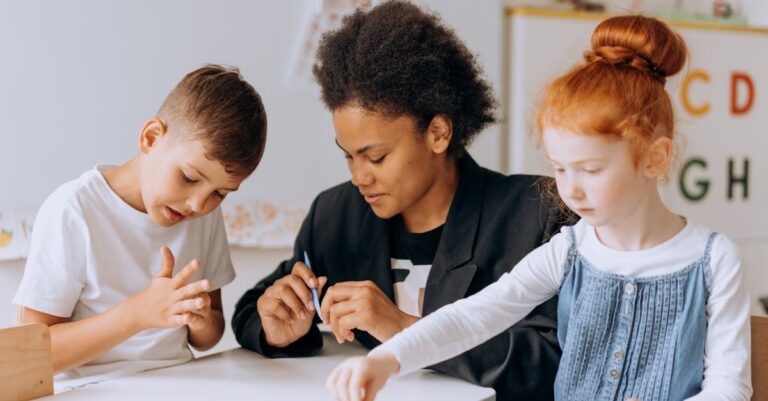
This Photo was taken by RDNE Stock project on Pexels.
About The Author





Wow, this article really hits the nail on the head! Voter suppression is like that sneaky junk drawer in the kitchen—just when you think you’ve sorted it out, something else pops up. I swear, next thing you know, they’ll be hiding the ballots in a escape room and calling it “fun.” 😂 But seriously, it’s wild how voting issues now tie into everything else—schools,
Absolutely, this article hits the nail on the head. Voter suppression isn’t just about one tactic—it’s a complex, adaptive challenge that can take many forms. The link between access to voting and broader community issues like schools and health really emphasizes that protecting voting rights isn’t just a political act, but a fundamental part of ensuring overall stability and equity. As parents, understanding how these tactics can impact our children’s futures and our communities is crucial. We must stay vigilant and push for reforms that make voting accessible and fair for everyone. It’s not just