Teacher strikes have surged into the spotlight over the past decade, not just in the United States but around the globe, sparking intense debates about education funding, working conditions, and student welfare. These work stoppages affect more than just classrooms; they ripple through communities, sporting events, and even the cultural fabric of schools internationally.
The American Landscape: A Struggle for Investment
In the U.S., recent teacher strikes have highlighted a chronic issue: underfunding and teacher pay disparities. Cities like Chicago, Los Angeles, and Seattle have witnessed large-scale strikes where educators demand fair wages and resources to support their classrooms. According to education expert Dr. Linda Harwell, “Teachers are fighting not just for themselves but for the future of America’s children, whose education quality hinges on these negotiations.”
Student experiences during these strikes vary widely. With schools shuttered, many students miss out on critical instruction time, but some districts turn this challenge into opportunity by hosting community events or supplemental learning sessions. Yet, the disruption can also create stress, particularly for students relying on school for meals or safe spaces.
International Echoes: Solidarity and Challenges
Teacher strikes are by no means confined to the U.S. Countries like France, Brazil, and South Africa have seen teacher walkouts that reflect broader socio-economic struggles. In many places, these strikes underscore systemic inequalities that affect students’ access to quality education. International education analyst Maria Nkosi points out, “Strikes emphasize the universal reality that education systems require sustainable investment. Without it, student outcomes inevitably suffer.”
Moreover, some nations have differing responses to strikes. While American districts often negotiate quickly, others face prolonged closures, further complicating student learning and community relations.
The Impact on School Sports and Extracurriculars
Sport plays a vital role in student life and community identity, but teacher strikes can throw a wrench into these activities. When schools close during strikes, sports seasons, practice schedules, and tournaments are often disrupted. This not only affects athletes’ development but also school spirit and community cohesion.
Coach Ricardo Mendez explains, “Our sports programs teach discipline and teamwork, but when the academic side is in limbo, it’s tough to keep momentum. Strikes ripple beyond the classroom—they impact the whole school ecosystem.”
Balancing Act: Experts Weigh In on the Path Forward
Navigating teacher strikes requires balancing urgent teacher demands with student needs. Experts agree that clear communication, contingency planning, and community engagement are key to minimizing negative effects on students. Education policy specialist Dr. Sarah Kim notes, “It’s critical that both sides recognize the shared goal: nurturing students. Strikes should open doors for dialogue, not deepen divides.”
Some districts are experimenting with remote instruction or partnering with local organizations to maintain enrichment activities during strikes. These approaches reflect innovative thinking aimed at protecting student experiences amid labor disputes.
“At the core, teacher strikes underscore a profound truth: investing in educators is investing in our children’s future.” – Dr. Linda Harwell
As teacher strikes continue to shape the education landscape, understanding their nuanced impact on students—whether inside classroom walls or on the sports field—is essential to crafting more resilient, equitable school systems both in America and worldwide.

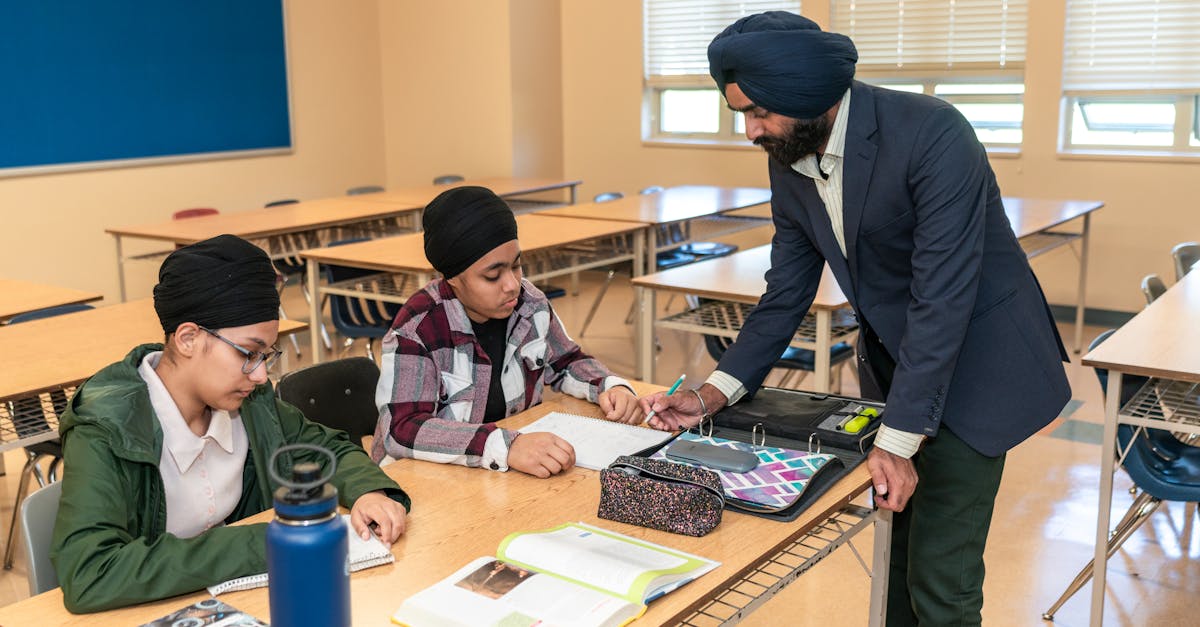
This Photo was taken by World Sikh Organization of Canada on Pexels.
About The Author





Wow, this blog really sheds light on something so important but often overlooked! Teacher strikes are like the canaries in the coal mine for society’s priorities. It’s crazy how something that impacts
Wow, this post really hits the nail on the head! Teacher strikes are such a complex issue, but it’s clear they’re about much more than just pay; they’re about respect, investment, and the future of education. I’ve been thinking, how can we expect students to thrive if their teachers aren’t supported? It’s like trying to run a marathon with one shoe — not gonna end well! And the ripple effects on communities are huge, affecting so much more than just learning. We really gotta rethink