
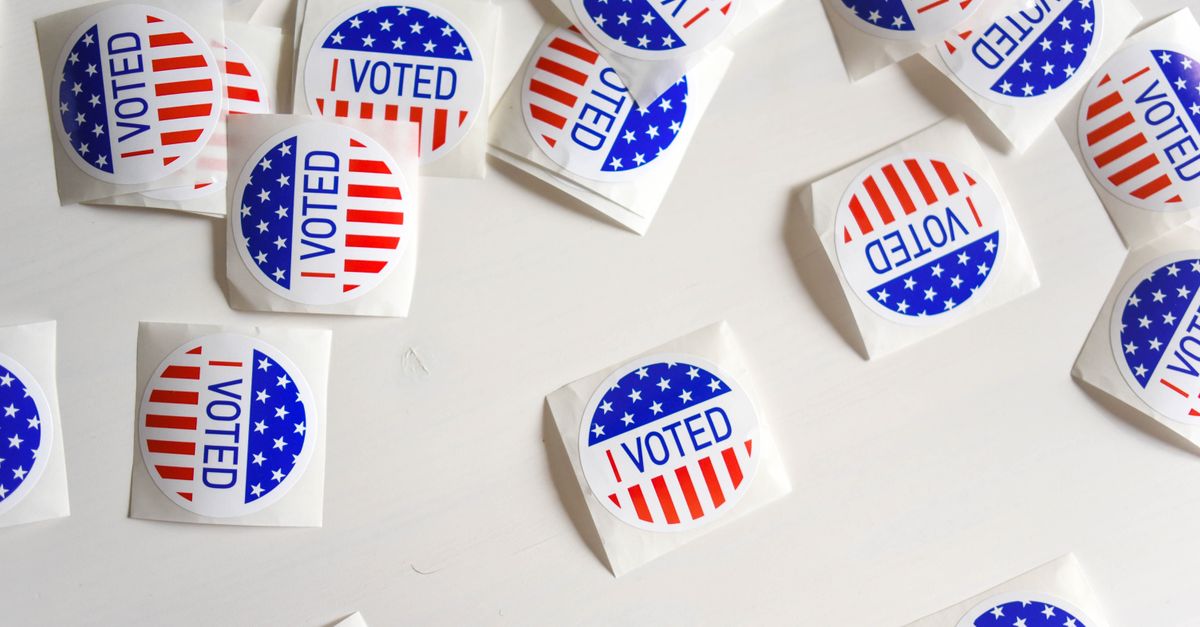
Photo by Edmond Dantès
County commissioner races rarely make headlines. Yet, this election cycle in Saint Johns County has revealed a cadre of candidates whose passion, principles, and policies deserve far more attention than they’ve received. These local leaders are not just politicians; they are the frontline defenders of community values amid a rising wave of protests, cultural clashes, and contentious debates like the controversial book bans that have gripped the area.
Why Local Elections Matter More Than Ever
County commissioners wield significant power in shaping the day-to-day lives of residents: from land use and public safety to education funding and library policies. In Saint Johns, where community identity intersects with evolving social debates, the stakes are particularly high. Yet, voter turnout for these races is notoriously low, and media coverage often sidelines these offices in favor of state or national contests.
It’s a critical oversight. The individuals running for commissioner in this cycle are not mere rubber stamps. Many are activists and reformers, propelled into the race by a desire to challenge the status quo—especially regarding efforts to impose protest restrictions or enforce highly polarizing book bans in public institutions.
Protest and Policy: The Unsung Champions of Civil Discourse
Saint Johns has seen a surge in public demonstrations over the past year. These protests, sparked by policies perceived as limiting free expression or targeting marginalized groups, placed county commissioners at the heart of the dialogue. Candidates have been forced to take clear stances on issues such as:
- The right to peaceful assembly
- How local law enforcement should respond to protests
- Balancing public safety with civil liberties
Many prospective commissioners have demonstrated a deep understanding of these nuances, advocating for policies that protect constitutional rights without condoning violence or disruption.
“Our community thrives when voices are heard, not silenced,” emphasized one candidate during a recent forum. “If we ignore local elections, we hand that power to those who prefer control over conversation.”
Book Bans: More Than Just a Local Battle
Perhaps the most fraught issue on the county commission’s agenda is the ongoing controversy over book bans. Under pressure from activist groups and some parents, the county has debated removing certain books from public libraries and schools—sparked by concerns over content perceived as inappropriate or divisive.
What is often lost in the noise is the critical role these commissioners play in safeguarding intellectual freedom. Some candidates have courageously opposed sweeping bans, arguing that:
- It’s a slippery slope toward censorship
- Diversifying perspectives in public materials enriches democratic engagement
- Community voices, not political agendas, should guide library policies
Their stance reflects a broader belief in treating local governance as a platform to defend informed debate and education, rather than restrict it.
Recognizing Everyday Heroes in the County Seats
The truth is, extraordinary passion and principle often burn brightest in these smaller-scale elections. These candidates may not grab national media attention, but their impact is immediate and personal. Here’s what voters need to remember:
- County commissioners control budgets and policies that affect schools, libraries, roads, and emergency services.
- They are often the points of contact for addressing local grievances and ensuring community safety.
- They hold the power to either embrace protest as a democratic right or repress it under the guise of order.
These candidates deserve more than the occasional passing glance. Their work shapes the very essence of civic life—how communities grow, learn, and express themselves.
Moving Beyond Apathy: A Call to Voters
Increasing awareness and turnout in county elections isn’t just about democracy; it’s about justice and community resilience. Recognizing the courageous candidates willing to stand against book bans and support constitutional protests is a first step toward reclaiming local governance.
If Saint Johns residents want their county to reflect diversity, freedom, and fairness, they must look beyond the usual election fray and give these committed individuals the recognition—and votes—they deserve.
When election day arrives, remember: respecting local leadership means respecting the everyday battles fought over your rights, your community’s values, and the future of your county.

Article orchestrated by Mobstacker’s WP Auto Muse Pro.

This Photo was taken by Edmond Dantès on Pexels.
About The Author




While I appreciate the emphasis on local elections and their importance, I wonder if the current focus on contentious issues like book bans might overshadow other pressing community needs. In my experience, effective leadership at the county level often involves balancing diverse perspectives to foster a truly inclusive environment. It would be interesting to see more discussion on how these candidates plan to address economic development, public safety, and infrastructure alongside cultural debates.
I’m honestly worried that people don’t pay enough attention to these races. It feels like most folks only get interested when it’s something big, but the local politicians really set the tone for what happens in our day-to-day lives. I mean, I’ve seen how policies at the local level can affect schools, parks, even small businesses, yet so many just ignore it until it’s too late. What if the wrong person gets in and suddenly everything shifts? I’m