
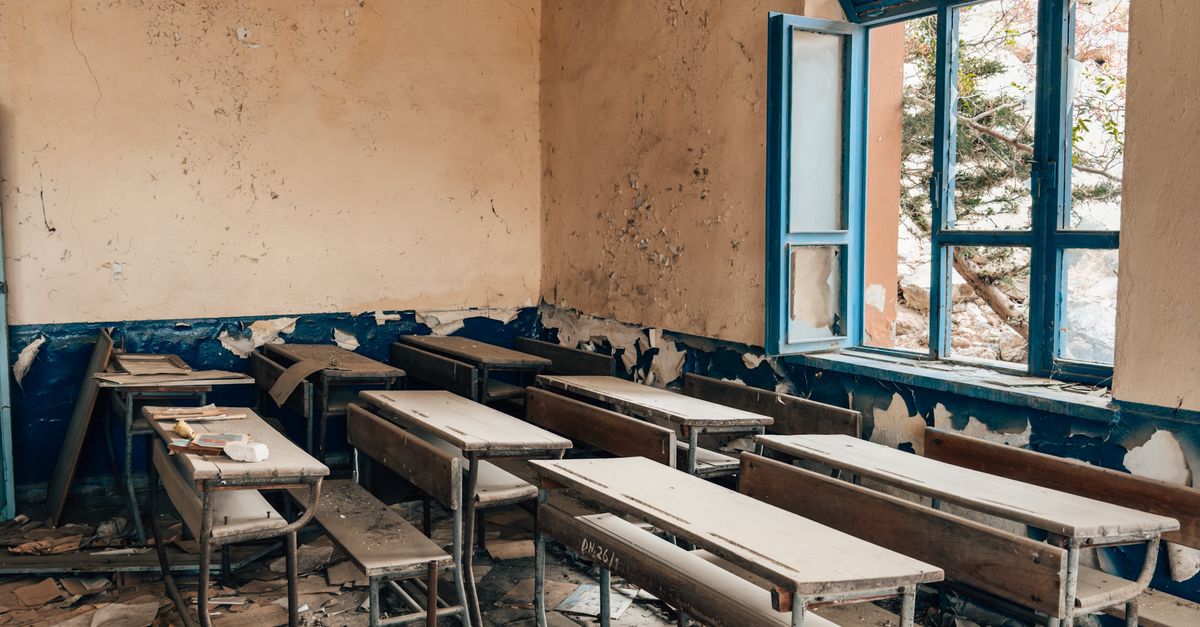
Photo by Pavel Danilyuk
Communities Torn Apart by School Board Decisions
In recent years, the ripple effects of local school board decisions have resonated far beyond their immediate districts, unraveling the fabric of communities and leaving students feeling more isolated than ever. What once seemed like routine policy debates have morphed into cultural battlegrounds that fragment neighborhoods, ignite divisions, and threaten to silence the voices of the very communities they are supposed to serve.
The International Lens: Eroding Global Perspectives at the Local Level
On the surface, decisions about curriculum, health protocols, and science education may seem purely domestic. However, these choices carry international implications, especially when it comes to fostering global awareness and understanding. Schools are often viewed as gateways to broader perspectives, but increasingly, partisan lines are influencing what students learn about international issues, such as climate change, global health crises, or international conflicts.
This narrowing of worldview impacts students’ ability to engage thoughtfully with the world beyond their borders. When school boards prioritize political agendas over comprehensive education, students risk becoming insular, ill-prepared to navigate the interconnected global community. It’s a disservice to their development—and it risks fueling mistrust and ignorance both locally and globally. For insights into effective community engagement during school board meetings, the School Board Meeting Best Practices | Community Engagement Guide offers valuable strategies for fostering meaningful participation and dialogue.
American Divisions Play Out in School Walls
The United States is experiencing a wider societal schism that is clearly reflected in school board decisions. Heated debates over mask mandates, COVID-19 vaccination policies, and the teaching of controversial histories—involving race, gender, or political ideologies—have transformed classrooms into battlegrounds.
This rift doesn’t just impact policy; it affects the mental health and sense of belonging of students. Many students report feeling anxious, alienated, or even threatened when their schools serve as venues for ideological conflicts. An illustrative example: a student who wears a mask might be ostracized for following health guidelines, while another who questions a politically charged lesson might be labeled as disruptive.
The divide extends beyond just disagreements. It erodes the trust students have in educational institutions—trust that should be rooted in shared goals of growth and knowledge, not political loyalty. As one anonymous student put it, “It feels like we’re being pulled in opposite directions, and I don’t know if I belong anywhere anymore.” For more in-depth analysis on school governance and political representation, visit Who’s on Board? School Boards and Political Representation in an Age of Conflict.
The Impact on Student Well-Being and Science Education
Science and health education, foundational to students’ understanding of the world and their potential career paths, are increasingly compromised. School boards, influenced by politicized narratives, often restrict or distort lessons about public health, climate science, or evolution—topics that are critical to addressing today’s challenges.
This fragmentation threatens to create a generation of students who are uninformed or misinformed about key scientific facts, making them less equipped to tackle pressing global issues, such as pandemics or climate change. For vulnerable students, especially those battling health issues or marginalized identities, these decisions can be particularly devastating. For further insights on improving school governance to prioritize student outcomes, see Rethinking School Governance 40 Years After ‘A Nation At Risk’.
“When science becomes a matter of debate, not fact, we risk losing the very foundation of progress,” a teacher in a divided district lamented.
The Path Forward: Rebuilding Community Trust and Support
Restoring the sense of unity and shared purpose in schools requires more than policy shifts; it demands empathetic dialogue and genuine community engagement. Educators, parents, and policymakers need to acknowledge the profound impact of their decisions on students’ mental health, identity, and future readiness.
Building bridges means recognizing the diversity of perspectives while fostering an environment where open discussion, respect, and scientific integrity remain paramount. Only then can schools serve as safe spaces—places where students feel seen, supported, and equipped to face the complex global challenges of tomorrow.
In the end, decisions made within school board chambers ripple outward—affecting individual lives and shaping the fabric of entire communities. If we value the future of our students and the health of our society, addressing these divisions with compassion and wisdom is not optional but essential.

Article orchestrated by Mobstacker’s WP Auto Muse Pro
.
This Photo was taken by Pavel Danilyuk on Pexels.
About The Author






Oh sure, because nothing says unity like turning school board meetings into full-blown wars, right? I mean, why focus on actual education when you can spend your time fighting over topics that probably won’t matter in a year anyway.