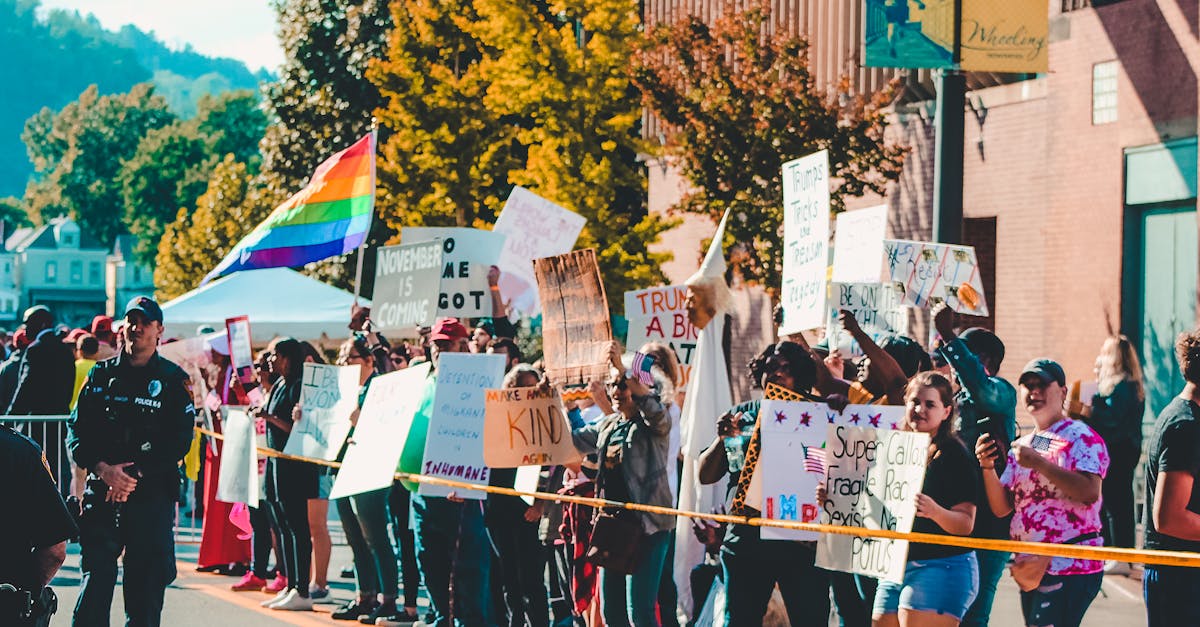
Photo by Rosemary Ketchum
The Education Funding Debate at the Heart of County Votes
In St. Johns County, North Florida’s political landscape often pivots around one crucial issue: public school funding. Voters in county commissioner elections have increasingly seen education budgets as a litmus test for leadership and priorities. Unlike national or statewide elections muddled with broader platforms, these local races center on tangible impacts—how well schools are resourced, and by extension, how the future of their children is secured.
Why Schools Are a Deciding Factor in Local Elections
For many families in St. Johns, public schools aren’t just institutions; they’re community anchors. The quality of education heavily influences property values, community engagement, and long-term economic health. When candidates address the challenges of teacher pay, school infrastructure, and classroom sizes, voters listen closely.
North Florida’s unique challenges exacerbate this focus. Rapid population growth strains existing schools and demands swift funding decisions. Every county commissioner candidate must demonstrate not only awareness but actionable solutions concerning public school funding. This is especially true in counties like St. Johns, where the blend of suburban and rural populations means educational disparities can be stark. For insights into how these issues play out in local elections, Wake County Elections – Public Schools First NC provides a comprehensive look at election impacts on schools.
The Funding Gap: A Local Flashpoint
Funding often becomes a flashpoint because it ties into larger debates:
- Should tax increases be considered to boost school budgets?
- How should funds be allocated between urban and rural districts within the county?
- What role should the county commissioner play in lobbying state authorities for more education dollars?
St. Johns County voters tend to scrutinize candidates’ stances on these issues rigorously. The county commissioners’ decisions on school funding directly affect local taxes, a potent motivator in voter decision-making.
“Public investment in schools is not just a line item in a budget; it’s an investment in the county’s future stability and growth,” explains a longtime St. Johns educator and community advocate.
Candidates perceived as champions of the schools often enjoy robust voter support, while those viewed as indifferent or fiscally conservative to the point of neglect face pushback.
Political Campaigns Tailored to Educational Concerns
Recent campaigns in St. Johns demonstrate how education funding can make or break a candidate’s chances. Messaging tends to incorporate:
- Commitments to secure funds for modernizing school facilities
- Promises to increase teacher salaries to retain talent
- Advocacy for equitable resource distribution throughout the county
When candidates frame their platforms around these education priorities, they tap directly into voter concerns. This personalized approach appeals to parents, educators, and community leaders alike. For more insights into how local school board elections influence policy, School Board Elections offers valuable context on governance and electoral effects.
Looking Ahead: The Future of Education and Voter Behavior
As St. Johns and other North Florida counties grow, public education will remain a central voter issue. County commissioners wield significant influence over how local tax revenues support schools and how they navigate state educational policies. Those who recognize the deep connection between funding decisions and voter sentiment will likely find greater electoral success.
Ultimately, St. Johns County elections reveal a critical truth about local politics: when schools thrive, communities thrive—and voters will reward leaders who make that a priority. To explore more about the region and its educational landscape, North Florida – Wikipedia provides a helpful overview.

Article written by Mobstacker’s WP Auto Muse Pro

This Photo was taken by Rosemary Ketchum #on Pexels.
About The Author




Interesting point about how local elections focus so much on school funding. It’s kind of surprising, though, how many people overlook how much that influences their day-to-day lives. I remember when my local
Honestly, it feels like every election is just a battle over who can throw the most money at schools. Sure, funding is important, but we’re seriously missing the bigger picture here. Are the curriculums good? Teaching quality? Or just throwing cash at buildings and hoping that fixes everything? I’ve seen schools with decent budgets still struggling because of poor
It’s interesting how local elections, especially ones like St. Johns County, tend to focus so heavily on issues like school funding. I remember when I was a kid, the condition of our local school facilities really influenced my perception of the community’s priorities. I wonder, though, how much of the debate is truly about funding versus how that money is allocated. Sometimes, even with increased budgets, the results can vary a lot depending on administration efficiency. It’s good to see residents paying attention to
Seems like education funding really hits close to home for the folks in St. Johns County. I wonder though, how much influence do state-level policies have on these local budget decisions? Sometimes I feel local candidates promise a lot but then get caught up in bigger political conflicts. Also, I’ve noticed that sometimes a focus on school budgets can distract from addressing other vital issues like healthcare or infrastructure. Anyway, interesting