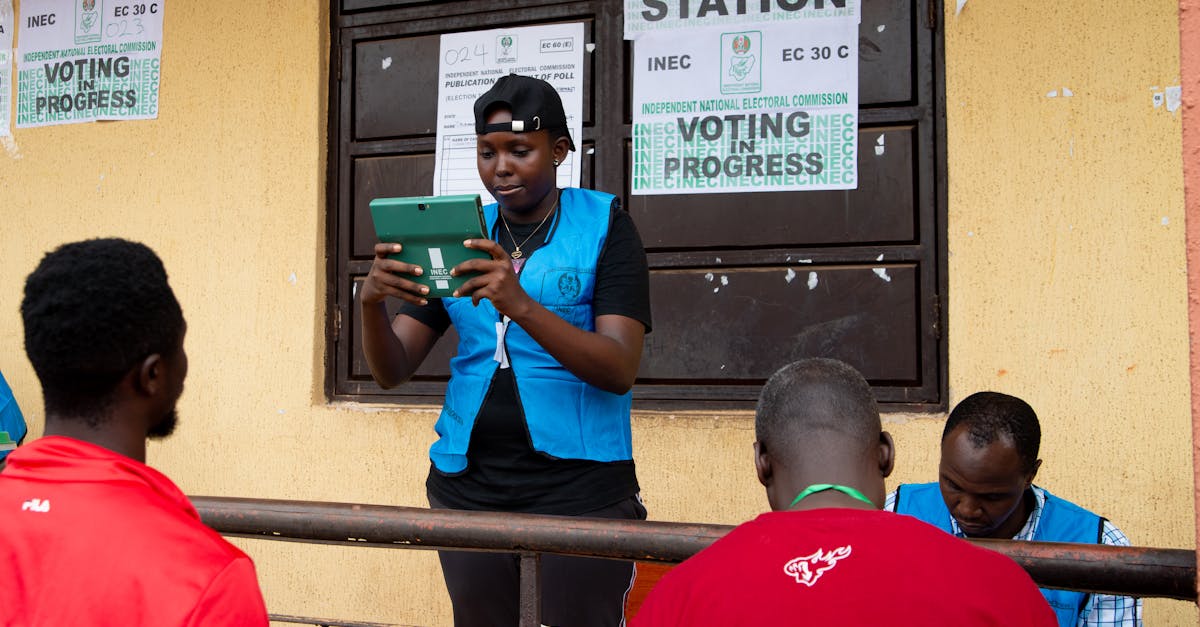
School Boards Are No Longer Quiet Local Offices
School board elections have become one of the most consequential battlegrounds in American politics, and North Florida is a clear example of why. What once looked like a low-profile race about budgets, bus routes, and curriculum now sits at the center of broader fights over culture, protest, parental rights, and public trust. In places like Duval County, voters are not just choosing administrators. They are choosing the direction of public education itself.
That shift matters because school boards sit closest to the decisions that affect families every day: what books are available, how discipline is handled, how teachers are supported, and how schools respond when political pressure lands at the front door. In North Florida, those questions have become more intense, more visible, and far more contested.
School board races are now proxy battles over who gets to define public education: educators, activists, parents, or politicians.
Why North Florida Has Become a Flashpoint
North Florida has a political culture that mixes suburban growth, rural conservatism, and urban tension. That combination makes education disputes especially combustible. When school issues break into public debate there, they often carry the weight of larger national arguments about ideology, race, history, and authority.
Duval County schools are especially important because the district is large, politically influential, and highly visible. Jacksonville’s size gives these elections real consequences. A school board fight there is not just a local skirmish; it can signal where voters are headed on education policy across the region.
Several factors have pushed these races into the spotlight:
- Parent activism has grown more organized and more aggressive.
- Culture-war politics have made curriculum a campaign issue.
- Public protests have turned school board meetings into arenas of confrontation.
- Social media now amplifies every dispute, turning local tensions into regional talking points.
The result is a political environment where school board candidates are expected to take clear positions on controversial issues, even when those positions have little to do with the practical management of schools.
Protest Has Changed the Tone of School Politics
The rise of protest around education policy has changed not just the topics under debate, but the style of politics itself. School board meetings in North Florida have increasingly featured public outcry, organized demonstrations, and heated exchanges between officials and residents. In Duval County, that pattern reflects a broader national trend: school governance is now public theater.
Protest can play a useful democratic role. It forces officials to listen. It highlights overlooked concerns. It gives frustrated parents and educators a voice. But it can also distort policymaking when the loudest voices drown out the most informed ones.
The challenge for school boards is to respond to public pressure without being captured by it. That balance is difficult under normal conditions. It becomes even harder when elections reward confrontation over competence.
What the protest dynamic changes
- Candidates run on conflict, not expertise
- Policy debates become identity battles
- Complex issues get reduced to slogans
- Moderate voices are often squeezed out
In practical terms, this means school board races increasingly reward candidates who know how to mobilize anger. That can produce energized turnout, but it can also make it harder to govern after the election is over.
Duval County Schools and the Politics of Everyday Decisions
The stakes in Duval County schools are not abstract. They show up in reading scores, teacher retention, school safety, and special education services. These are the issues families feel most directly. Yet elections often focus instead on symbolic fights that leave those everyday concerns in the background.
That is part of what makes school board politics so powerful. Voters may begin with a concern about curriculum or discipline, but the debate quickly widens to include who schools are for, who gets heard, and what values public education should reflect.
In Duval County, the pressure on school leaders is especially intense because the district serves a large and diverse population. Any major policy dispute has the potential to alienate one group while satisfying another. That’s why school board candidates increasingly campaign as if they are running for ideological control rather than administrative oversight.
The danger is obvious: when elections become more about symbolic victory than functional leadership, schools pay the price.
The Future of Education Debates Will Be Decided Locally
The national conversation about education often sounds as if it is being driven from Washington or Tallahassee. But the real decisions are still made locally, in school board meetings and county elections. That is why school board elections matter so much. They determine who holds power over the first and most immediate layer of public policy.
North Florida will remain an important testing ground. If Duval County voters continue to treat school board contests as high-stakes ideological battles, other counties are likely to follow the same pattern. If they reward candidates who focus on academic outcomes, transparency, and stability, that could pull the debate in a more practical direction.
What happens next will not just shape one district. It will help define the future of education politics more broadly.
The local school board may be the smallest elected body in politics, but it now has one of the biggest roles in the culture war over public education.
The lesson is simple: ignore school board elections at your own risk. They are no longer side stories. They are where the next phase of political debate over education policy is already being written.

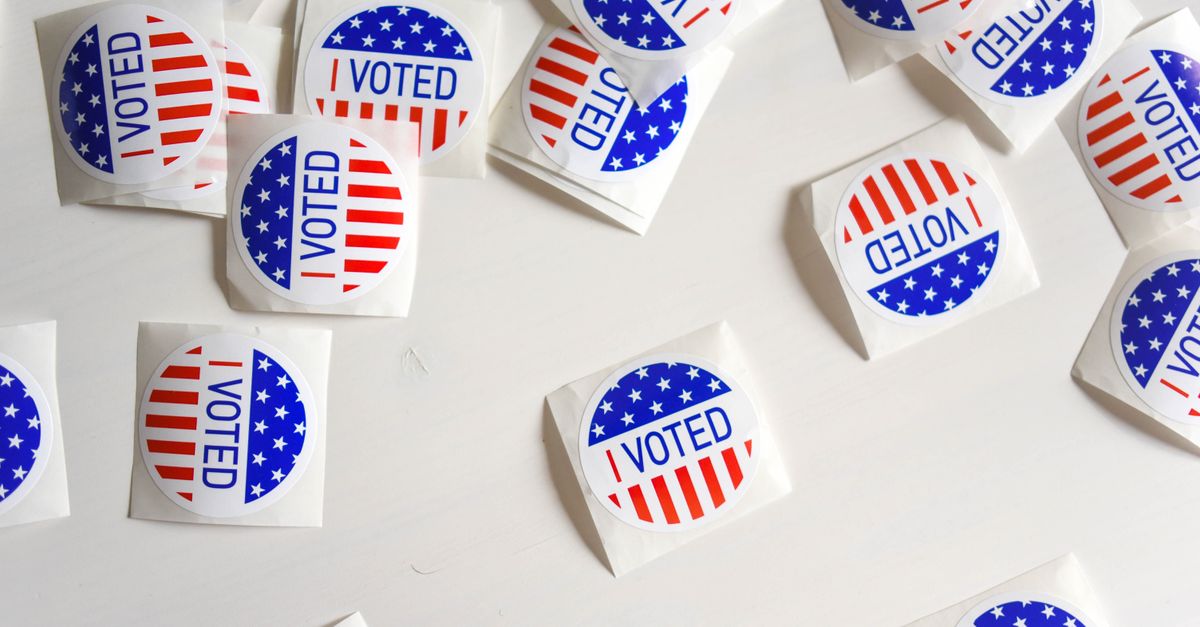
This Photo was taken by David Iloba on Pexels.
About The Author


Wow, this really puts things into perspective. It’s crazy how school board elections went from being about local school issues to a huge political battleground. I think it’s so important for parents and community members to stay engaged because these elections shape what kind of education our kids get and how much say we have. Sometimes it feels like the focus on culture wars distracts from the core goal of good education and safe schools. We should all try to be informed voters and remember that these decisions impact
Wow, I never really thought about school boards as being such a big deal in the bigger political picture but it makes sense. Seems like every little vote can have a huge impact on things like culture and what kids are learning. It’s kind of crazy how something that was once just about budgets and buses has turned into a bigger fight for community values. Makes you wonder how much of that stuff actually influences the classroom experience every day.