The democracy maze nobody asked for
Voter suppression is the sort of civic crime that never shows up wearing a ski mask. It arrives in a blazer, carrying a clipboard, and speaks in the soothing language of “administrative efficiency.” Then, right as you’re trying to vote, it quietly moves the polling place, shortens the hours, trims the ballot access, and acts surprised when people get frustrated.
In North Florida, the script has a distinctly local flavor. In places like Duval County and Flagler, the issue isn’t usually one giant dramatic barrier. It’s a stack of smaller ones: inconvenient locations, confusing rules, limited resources, and the familiar political habit of making participation just annoying enough to matter.
If voting feels like a scavenger hunt, that’s not an accident.
The local version of “everything’s fine”
At the national level, voter suppression often gets discussed like a grand constitutional chess match. But on the ground, it’s much more boring than that—and that’s part of the problem. Local election systems can be nudged, squeezed, and underfunded in ways that don’t look scandalous at first glance.
In Duval County, for example, voters may run into the classic obstacles: long lines in some areas, shifting polling logistics, and the occasional mystery of why one neighborhood seems to have three convenient options while another gets one place tucked behind a building with a parking lot shaped like a dare. The effect is not always a clean “you may not vote.” It’s more like: “You can vote, but only if you’re willing to audition for it.”
And in Flagler, the politics of access often feel even more intimate. Smaller communities can be especially vulnerable to limited polling infrastructure, reduced public transit options, and election changes that hit hard because there’s less slack in the system. If you’re a voter without easy transportation, flexible work hours, or a patient tolerance for bureaucracy, the math gets ugly fast.
North Florida’s favorite civic obstacle course
Let’s be honest: North Florida has never lacked for political drama. But voter suppression here often wears the plainest clothes imaginable. It’s not always a headline-grabbing law. Sometimes it’s a broken system that manages to inconvenience the same people over and over until they stop showing up.
Common tactics and effects include:
- Polling place consolidation, which can turn a five-minute trip into a cross-county expedition
- Confusing registration rules, especially for people who move often or have name changes
- Limited early voting access, which punishes anyone with a job, childcare duties, or a life
- Misinformation, spread just enough to make people doubt whether they’re allowed to vote at all
- Purges and paperwork problems, which can hit eligible voters right when they least need another surprise
The thing about these barriers is that they don’t need to block everyone. They only need to block enough people in the right neighborhoods. That’s the plot twist democracy keeps bumping into: the system doesn’t have to slam the door if it can just make the hallway absurdly long.
Duval County, Flagler, and the politics of inconvenience
A lot of people imagine voter suppression as something obvious and theatrical. But in practice, it often operates through inconvenience as strategy. That’s where local politics becomes so important. County election boards, local officials, school boards, and state-level decisions all shape whether voting feels accessible or like a test of endurance.
In Duval County, the stakes are especially high because of scale. Big counties need strong planning, clear communication, and enough infrastructure to serve a diverse electorate. When that doesn’t happen, the people with the least time and fewest resources pay the highest price.
In Flagler, the dynamics can be different but just as serious. Smaller counties can struggle with access issues that look modest on paper and major in real life. If a voter has to rely on someone else for a ride, or if public information isn’t clear, or if polling changes are announced with the enthusiasm of a tax audit, participation suffers.
And that’s the thing suppression often counts on: not outrage, but fatigue.
The silent cost
Voter suppression doesn’t just reduce turnout. It also teaches people a dangerous lesson: that politics is not for them. That the process is too complicated, too rigged, too tedious. Once that belief settles in, democracy loses something harder to measure than ballots.
It loses trust.
How people fight back when the maze gets weird
The good news is that local resistance matters. A lot. The bad news is that it usually requires people to do the kind of unglamorous civic labor that rarely gets a victory parade.
What actually helps:
- Check registration early
- Don’t wait until the week before the election to discover your information has wandered off.
- Use official election sources
- County election websites, official state portals, and verified local resources beat rumor every time.
- Know your polling place and backup plan
- Because democracy should not depend on surprise geography.
- Share information locally
- A neighbor in Duval or Flagler is more likely to trust a plain-language heads-up from someone they know than a viral post with dramatic caps lock.
- Support voting access groups
- Local civic organizations often do the uncelebrated work that keeps participation possible.
The most effective anti-suppression strategy is often embarrassingly simple: make voting easy, visible, and boring. No scavenger hunt. No secret code. No “gotcha” at the door.
The punchline nobody wants
Voter suppression is funny only in the way a cracked sidewalk is funny right before someone falls on it. The joke is really on democracy itself, which keeps pretending that access can be chipped away without consequences.
In North Florida, especially in Duval County and Flagler, the lesson is clear: local politics is where civic rights become real or unreal. Voting rights aren’t protected by slogans alone. They’re protected by details—where a polling place is, how information is shared, whether the system assumes voters have all day and a full tank of gas.
And that’s the “exciting” plot twist: democracy keeps finding the exit door, but only because somebody keeps moving the sign.

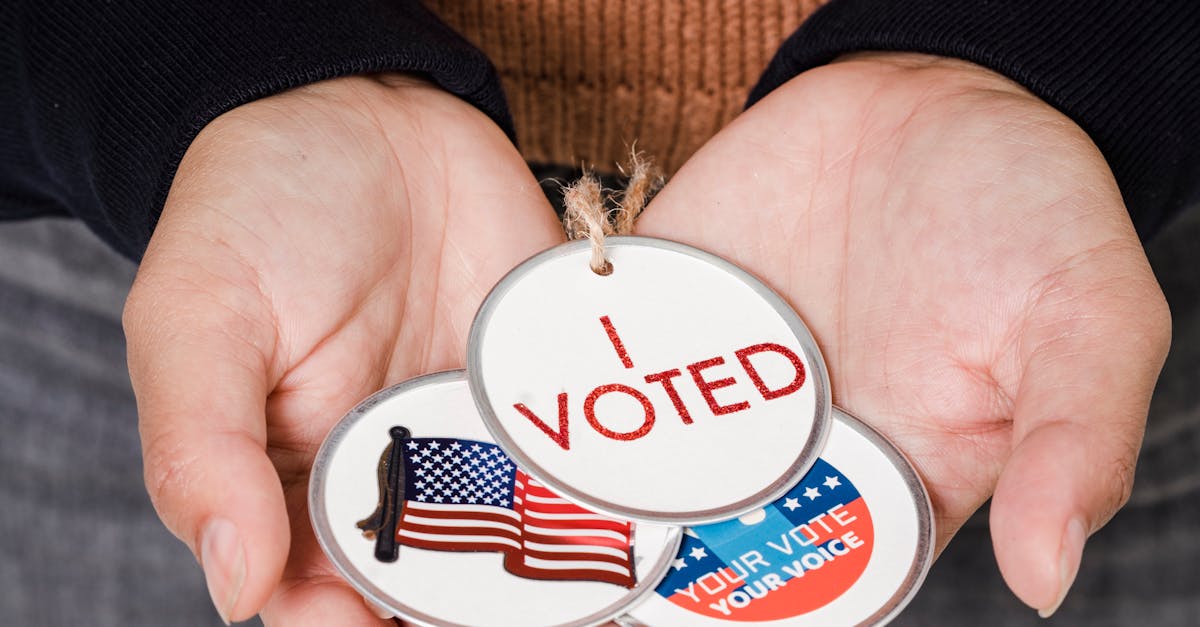
This Photo was taken by Sora Shimazaki on Pexels.
About The Author








Wow, this article really hits the nail on the head! The way voter suppression disguises itself as “administrative efficiency” is so sneaky. It’s crazy how these small changes—moving polling places, shortening hours—can make such a huge difference. It’s like they’re trying to make it as difficult as possible for people to exercise their right to vote. Glad you’re calling this out—more awareness is definitely needed. Voting should be simple and accessible, not a maze nobody asked for. Thanks for sharing!
Haha, this is so true! It’s like democracy is playing hide and seek, but instead of “ready or not,” it’s more like “surprise, we moved the polling station again!” Honestly, I half expect the voting booth to pop up behind a palm tree with a tiny sign saying “psych! try again tomorrow.” Maybe next time we should have a GPS for our votes — “turn left at the
Haha, this is so true! Voter suppression sneaks in like that one friend who says “let’s just briefly check out this new “administrative efficiency” thing” and then suddenly you’re locked out of the party. 😂 Next thing you know, the polling place is doing a disappearing act, like a magic trick you didn’t ask for. I swear, democracy needs an upgrade—maybe a “no cloak, no dagger” policy? Anyway, great post, made me think about
Honestly, reading this just makes me so mad. Why do they think it’s okay to mess with voting like this? It’s not about “efficiency” when it makes it harder for everyday people to vote. It’s sneaky and manipulative, and it undermines democracy. We shouldn’t let them keep pulling these tricks — it’s our right and duty to vote, no matter what their “administrative” games are