The Cost of Conflict: When School Boards Clash Over Student Health
Across the United States—and indeed, internationally—school boards have become battlegrounds for hotly contested debates over student health policies. These conflicts often pit science-backed strategies against political and ideological interests, raising a critical question: when the dust settles, who truly benefits?
It’s a paradox that in arenas designed to foster student well-being, discord distracts from proven health interventions. From mask mandates during pandemics to vaccination requirements, debates spiral, overshadowing efforts that could safeguard children’s welfare.
Science vs. Politics: The International Landscape
Globally, many countries have adopted evidence-based health measures within schools to reduce disease transmission and promote wellness. For instance, several European nations implement routine vaccinations and enforce hygiene protocols with minimal political intrusion. Contrast this with some American districts, where similar policies ignite fierce opposition, often grounded more in ideology than in public health science.
These differences raise profound questions about the influence of political polarization on science acceptance. Where international practices usually prioritize empirical evidence—supported by the World Health Organization and other bodies—some U.S. school boards become hotspots for misinformation campaigns, confusing stakeholders and eroding trust.
Legal Battles: When Policy Meets the Courtroom
The friction over health strategies is not confined to boardroom lessons; it often spills into courts. Legal challenges have emerged over issues like mask mandates, consent for vaccinations, and even mental health curriculum content. Courts become arenas where constitutional rights, parental authority, and public health priorities collide.
In many U.S. states, legislators have passed laws curbing school boards’ ability to impose certain health measures, further muddling an already complex landscape. This legal patchwork creates confusion for educators and families alike—undermining consistent application of strategies that science shows benefit students.
“When disputes over health measures become legal skirmishes, the immediate losers are the children who depend on these protections the most.”
The Real Victims: Students and Communities
Amid these conflicts, students often lose out. Delays in implementing health measures can lead to higher infection rates, increased absenteeism, and greater strain on mental health services. Moreover, fractious debates can alienate families and teachers who seek clear, honest communication.
Community cohesion suffers too. School boards are supposed to unify diverse voices toward common goals. Instead, they sometimes become dividing lines, eroding confidence in both educational and health institutions. This fracture could have lasting implications for public trust in science and governance.
Finding Common Ground: The Path Forward
Navigating these contentious waters requires a recommitment to science-based decision-making and transparent dialogue. School boards must engage health experts, listen empathetically to parents’ concerns, and communicate clearly about the evidence supporting their policies.
International examples reveal that when health strategies are depoliticized and framed around student welfare, outcomes improve significantly. American school boards—and their counterparts worldwide—would benefit from embracing this approach, ensuring that the well-being of students remains paramount.
Ultimately, the true victory lies not in winning political skirmishes, but in safeguarding the health and future of every child.

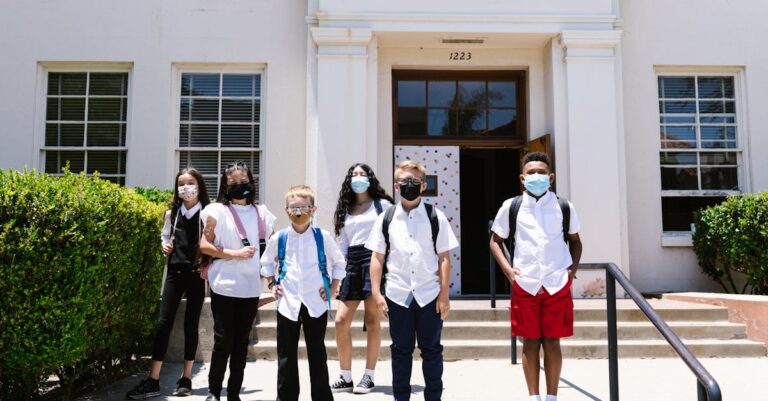
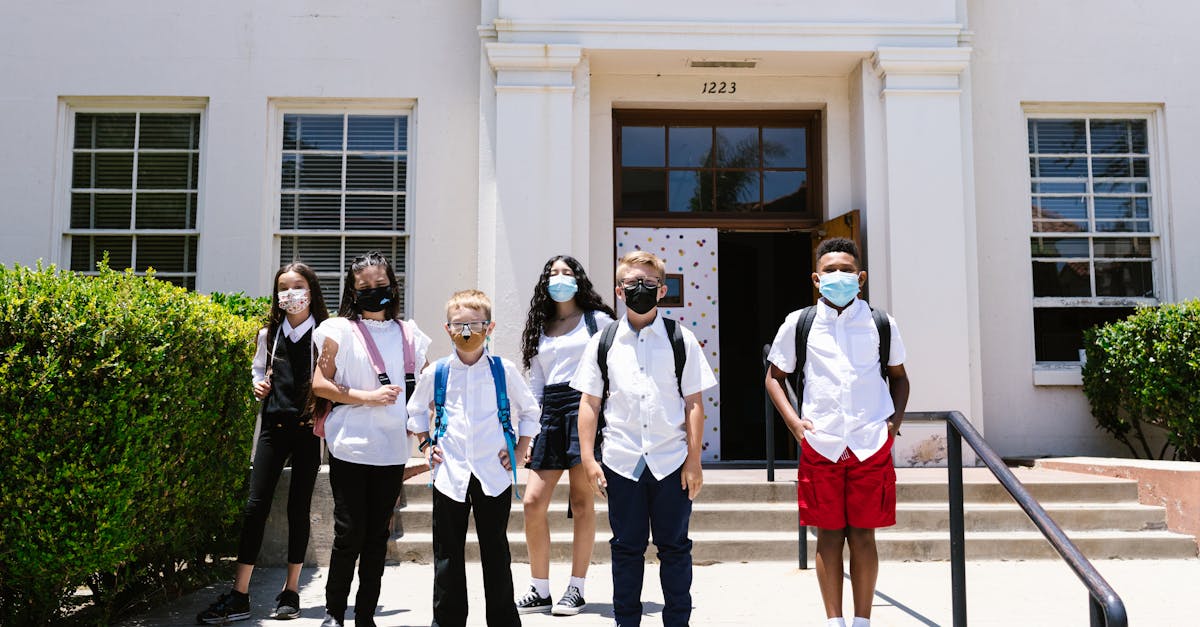
This Photo was taken by RDNE Stock project on Pexels.
About The Author