
If report cards came with a disclaimer, it might read: “Handle with care—results may spark unexpected parental theatrics.” It turns out that some parents treat their child’s grades like a heated reality TV finale—complete with plot twists, blame games, and dramatic declarations of “I did my best!” But before you reach for the popcorn (or the tissues), it’s worth unpacking why parents sometimes seem to take report cards so personally, especially in a climate thick with local activism, protest, and book bans in public schools.
When Report Cards Become a Reflection of Parental Ego
It’s easy to see a report card as a simple measure of student performance. But for some parents, it quickly morphs into a personal referendum on their own parenting skills, self-worth, or even intelligence. A C grade might feel less like a student’s academic achievement and more like a direct insult to family legacy. Oops.
Some parents secretly equate an A+ with validation of their life choices, while a B-minus triggers visions of “where did I go wrong?” The stakes in such internal dramas run high, especially in communities where education becomes a proxy battlefield for larger cultural conflicts.
Local Protest and Book Bans: The New Backdrop for Student Success
Throw into this cocktail a backdrop of local protests and book bans, and the pressure cooker boils over. When school boards decide to remove books—sometimes classics, sometimes contemporary works—parents who are already evaluating their children’s academic progress may see these acts as clues to a larger societal “conspiracy” against their values.
Meanwhile, teachers caught in the middle watch as students wrestle not just with math problems but with a curriculum shaped by political decisions swirling around them. The question naturally arises: How do these conflicts impact student success?
- Does banning a book stunt a student’s critical thinking or curiosity?
- Does protesting curriculums foster a climate of fear and silence?
- How much responsibility do parents bear when the school environment changes dramatically?
Blame Isn’t the Issue; Understanding Is
Before casting the first stone of blame—on kids, parents, or educators—it’s worth stepping back. Schools operate within complex ecosystems. Socioeconomic factors, community values, mental health support, funding, teacher morale, and yes, curriculum controversies all play a role.
Instead of finger-pointing when the report card arrives, consider these approaches:
- Open a dialogue with your child about their school experience.
- Collaborate with teachers to understand any academic or behavioral challenges.
- Stay informed on local school policies but also recognize what’s beyond your control.
- Advocate calmly, rather than in protest, for the kind of education that supports student growth.
“The best report card isn’t a set of grades but the resilience and curiosity that children carry forward.”
A Report Card can’t capture it all—nor should it try
Ultimately, student success isn’t a zero-sum game decided by letters or numbers stamped at the end of a semester. The joy of learning, the ability to question, and the capacity to persevere matter more than any grade’s weight on a report card.
So next time that envelope arrives, try to remember: the report card is not a public relations statement or a personal attack. It’s simply one snapshot on a much longer journey—and blaming parents (or anyone else) isn’t the side quest worth chasing.
Let’s trade blame for conversation, outrage for understanding, and conflict for community. Because when it comes to supporting kids, everyone wins.

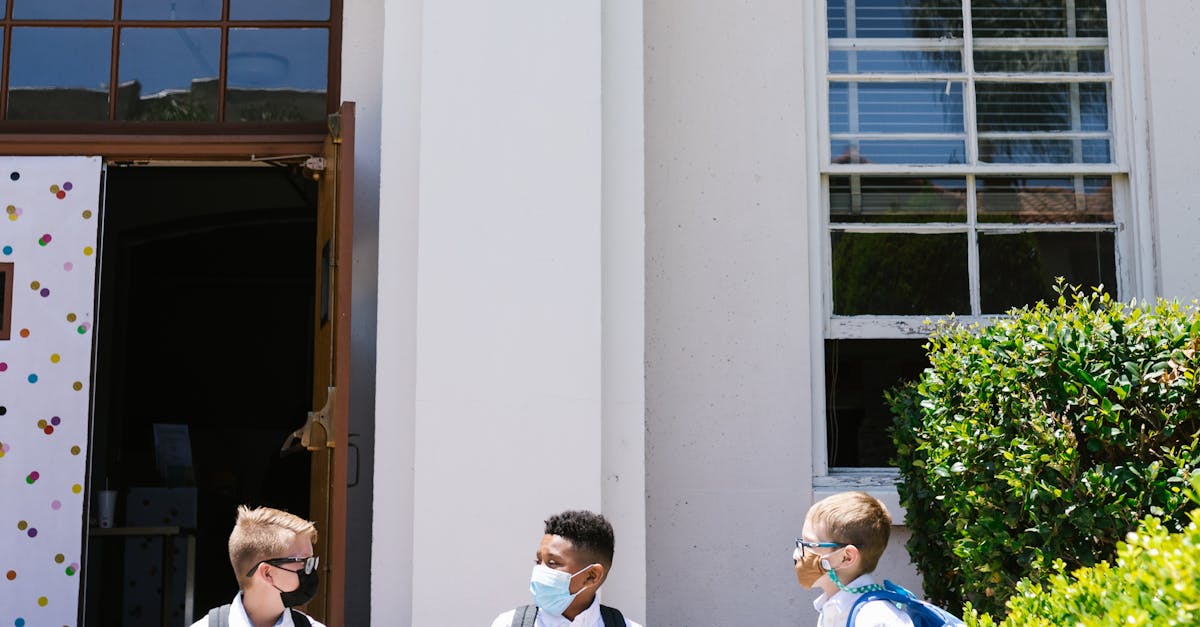
This Photo was taken by RDNE Stock project on Pexels.
About The Author


Haha, this is so true! Sometimes I think parents forget that grades are just one tiny part of a kid’s journey. It’s like we’re watching a suspense thriller instead of a report card! But honestly, I love the idea of handling with care — we all need a little reminder that kids are more than just numbers. Plus, it’s refreshing to see a humor-filled take on what can be a stressful time. Keep shining a light on these real and relatable topics!