
In a democracy, voting is the cornerstone of citizen participation in the political process. The ability to vote is a fundamental right that empowers individuals to have a voice in shaping the future of their communities. However, throughout history, the fight for voting rights has been a critical and ongoing struggle, with many life-altering events marking significant milestones in this journey towards equality and justice.
One such event is the Voting Rights Act of 1965, a landmark piece of legislation that aimed to overcome legal barriers at the state and local levels that prevented African Americans from exercising their right to vote. The Act was a response to the systemic disenfranchisement of Black voters, particularly in the South, where poll taxes, literacy tests, and other discriminatory practices were used to suppress minority voting.
The impact of the Voting Rights Act was profound, leading to a significant increase in voter registration and turnout among African Americans and other marginalized communities. The Act not only protected the right to vote but also laid the groundwork for greater political representation and participation at all levels of government.
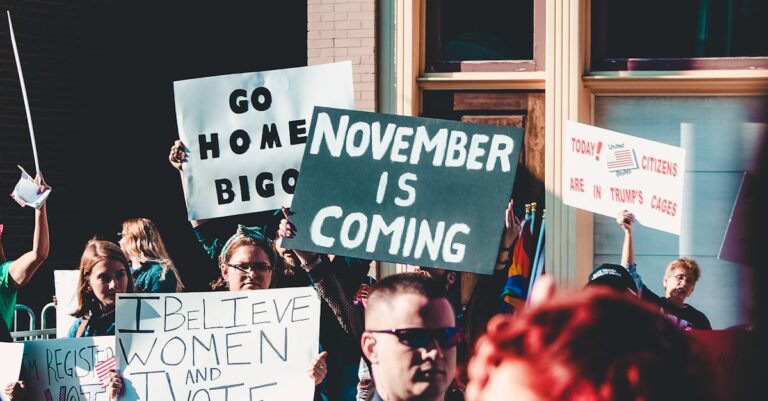
In recent years, the issue of voting rights has once again taken center stage, with new challenges emerging that threaten to undermine the progress made in ensuring access to the ballot box for all citizens. Voter suppression tactics, such as strict voter ID laws, gerrymandering, and purging of voter rolls, have disproportionately affected communities of color, young voters, and low-income individuals.
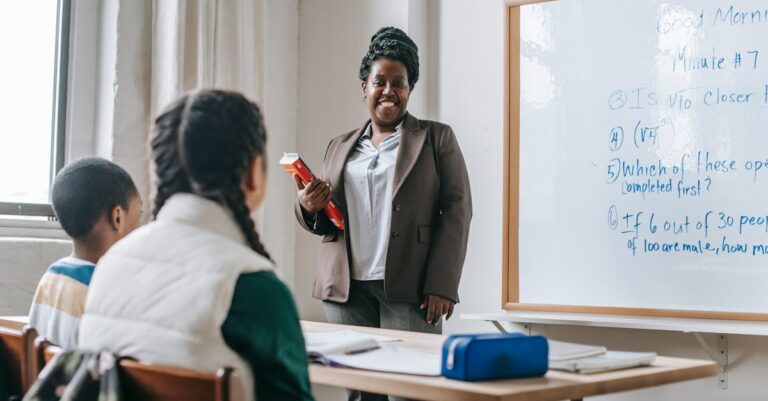
As we navigate the complex landscape of voting rights, it is crucial for individuals to stay informed and engaged in the political process. Local elections, in particular, have a direct impact on our daily lives, influencing issues such as education, infrastructure, and public safety. For residents of Saint Johns, schools are a key focus of local politics, with school board elections shaping the direction of education policy and funding in the community.
By participating in local elections and advocating for policies that promote equal access to the ballot, we can uphold the principles of democracy and ensure that every voice is heard. Empowering communities through voter education, registration drives, and grassroots organizing is essential in safeguarding our voting rights and building a more inclusive and representative political system.
In conclusion, understanding the impact of voting rights and learning from past life-altering events in the fight for equality can inspire us to take action and work towards a more just and equitable society. By standing up for our right to vote and amplifying the voices of those who have been marginalized, we can shape a brighter future for ourselves and future generations.

This Photo was taken by Sora Shimazaki on Pexels.
About The Author