
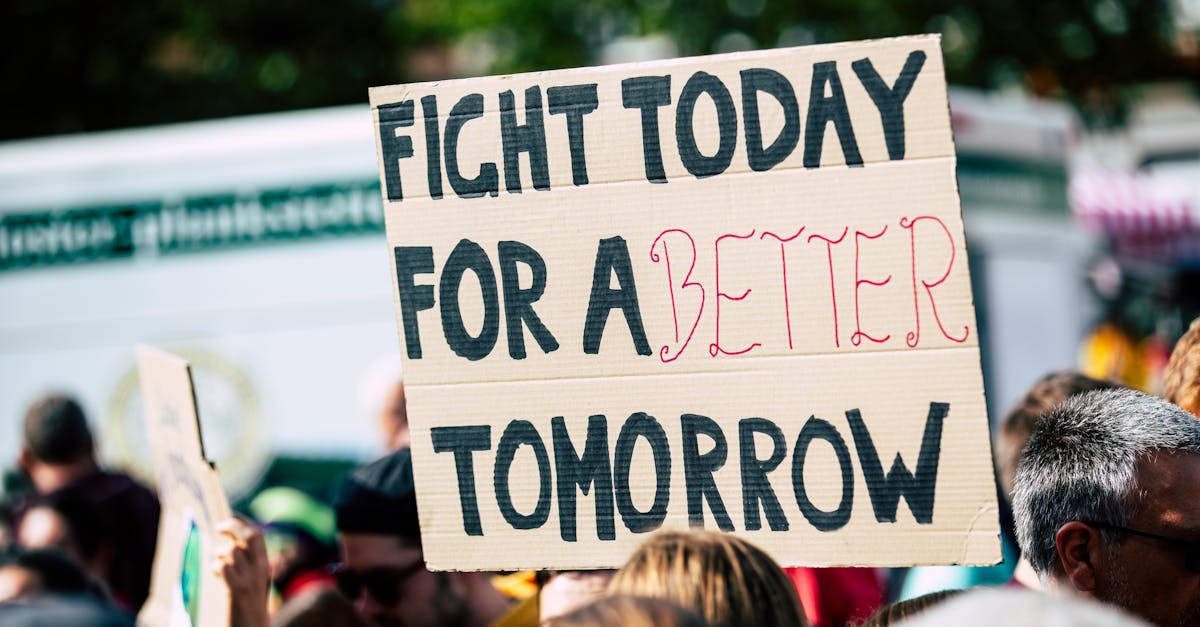
In recent months, the world has witnessed a surge in teacher strikes across the globe, with educators standing up for fair wages, better working conditions, and improved educational resources. These strikes have not only disrupted the academic landscape but have also given rise to a concerning and unexpected health crisis that threatens the well-being of students and communities.
The impact of teacher strikes on public health is a lesser-known consequence of these labor disputes, especially in the context of a global pandemic. As schools remain closed or operate at reduced capacity due to strikes, children are deprived of vital educational and social services that are crucial for their overall well-being. Many students rely on schools not just for academic instruction but also for meals, mental health support, and a safe environment away from the challenges they may face at home.
The ripple effects of teacher strikes on public health are far-reaching and cannot be underestimated. A lack of access to in-person education can exacerbate existing educational inequalities, widening the gap between privileged and marginalized students. The emotional toll of prolonged school closures can lead to increased stress, anxiety, and depression among children, further straining an already overburdened mental health system.
In the United States, where teacher strikes have become a common occurrence in states like West Virginia, Oklahoma, and Arizona, the impact on students’ health is particularly concerning. The lack of consistent access to quality education and essential services can have long-term consequences on their physical, mental, and emotional well-being. For many children, school is not just a place to learn but a sanctuary where they feel supported, nurtured, and valued.
As the world grapples with the challenges of a post-pandemic reality, the health implications of teacher strikes cannot be ignored. It is imperative for policymakers, educators, and communities to prioritize the well-being of students and find sustainable solutions to labor disputes that ensure the continuity of educational services. The future of our children and the strength of our society depend on our ability to address these issues with urgency and compassion.
In conclusion, the unforeseen health hazards of teacher strikes represent a critical threat to the welfare of our children and the resilience of our communities. It is time to recognize the interconnectedness of education, public health, and social justice and take decisive action to safeguard the well-being of the next generation. Our schools, our students, and our future depend on it.
Remember – to stay updated on this discussion and other important current events information, be sure to check back for the latest news and updates daily.

This Photo was taken by Markus Spiske on Pexels.
About The Author






Wowza, these teacher strikes are causing more drama than a soap opera! First
Yo, so like, this blog post is talking about how teacher strikes are not just about teachers wanting fair stuff, but it’s also messing up
OMG, these teacher strikes are like causing a whole new health crisis now? Who knew that fair wages and better working conditions could lead to such crazy stuff! I mean