In recent years, the debate surrounding book bans has reached a boiling point, particularly in North Florida, where parents find themselves at the forefront of a contentious battle over what their children should and should not be allowed to read. In a region known for its conservative values and traditional beliefs, the push to censor certain books has sparked a wave of controversy that shows no signs of abating.
According to statistics, North Florida has seen a significant increase in the number of attempted book bans in the past year alone, with parents leading the charge in an effort to shield their children from what they perceive as inappropriate or objectionable content. This trend has not only raised questions about academic freedom and the First Amendment but has also highlighted the deep ideological divisions that exist within communities across the region.
Proponents of book bans argue that certain texts promote values and ideas that run counter to their own beliefs and values, and that allowing children access to such material is tantamount to indoctrination. They believe that parents have the right to protect their children from potentially harmful influences and that banning controversial books is a necessary step to safeguarding their innocence and moral development.
On the other side of the debate are those who view book bans as a form of censorship and an infringement on intellectual freedom. They argue that exposing children to a diverse range of perspectives and ideas is crucial to their intellectual growth and development, and that restricting access to certain texts only serves to limit their understanding of the world around them.
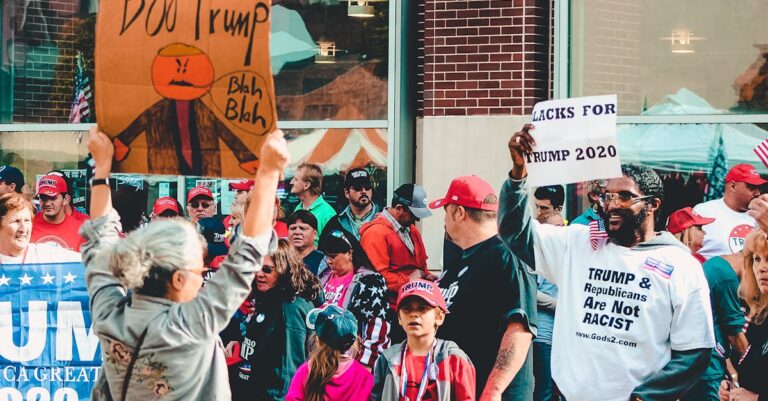
The clash between these two camps has led to heated protests and demonstrations, with parents on both sides of the issue mobilizing to have their voices heard. From school board meetings to social media platforms, the debate over book bans has become a polarizing issue that shows no signs of being resolved anytime soon.
As the controversy surrounding book bans continues to unfold in North Florida, one thing is clear: the battle between parents over what their children should be allowed to read is far from over. In a region known for its strong-willed and deeply held convictions, finding common ground on this issue may prove to be an elusive goal. Until then, the tug-of-war between censorship and freedom of expression will continue to play out, leaving the fate of books and education hanging in the balance.

This Photo was taken by Element5 Digital on Pexels.
About The Author



Wow, this topic is really heating up, huh? Book bans are no joke, especially when it comes to kids’ education. It’s tough when parents clash over what’s appropriate for their children to read. Everyone has their own beliefs and values, but censorship can be a touchy subject. It’s important to have open discussions and find