School Board Meetings Have Become the Front Lines of a Culture Fight
A single public comment can now determine whether a book stays on a library shelf, disappears from a classroom, or becomes the center of a months-long political storm. Across the United States, school boards are no longer just managing budgets, buses, and curriculum plans. They are becoming the main arena where arguments about book bans, parental rights, education, and identity collide.
What makes this fight especially intense is that it is no longer purely local. The same titles challenged in one American district are often discussed in school systems abroad, as educators in international settings watch how U.S. battles over reading lists, censorship, and student access ripple outward. This is not just a dispute over novels and memoirs. It is a larger struggle over who gets to decide what children should know, and what kind of society schools are supposed to build.
Book bans are never only about books. They are about power, belonging, and who gets to shape the next generation.
Why Book Bans Keep Hitting School Boards First
School boards sit at the intersection of politics, pedagogy, and public pressure. They approve materials, hear objections, and field emotional testimony from parents, teachers, and advocacy groups. That makes them the most visible target when a community wants to challenge a title.
In many districts, a book challenge begins with one complaint and grows quickly. A novel with LGBTQ+ themes, a history text discussing racism, or a memoir describing poverty or sexual assault can trigger calls for removal. Supporters of bans often say they are protecting children from inappropriate content. Opponents argue that these efforts sanitize reality and limit what students are allowed to understand about the world.
The effect on classrooms can be immediate:
- Teachers avoid assigning certain books out of fear of backlash.
- Librarians spend more time navigating complaint procedures.
- Students lose access to stories that reflect their own lives.
- Administrators face pressure to choose caution over curiosity.
The result is a chilling effect, even when the number of officially removed books is relatively small. Educators begin self-censoring, and that can reshape learning long before any formal ban is approved.
America’s Book Ban Battles Are About More Than Reading Lists
In the America of 2026, book banning has become a political shorthand for a deeper conflict over schools. Some communities see challenges to books as a defense of family values or local control. Others view them as a coordinated effort to narrow education and suppress difficult truths.
The books most often targeted tend to share a few traits:
- They include racial injustice or civil rights history.
- They feature LGBTQ+ characters or relationships.
- They discuss sexuality, trauma, or violence.
- They center voices that have often been excluded from mainstream curricula.
That pattern matters. It shows that the issue is not simply about explicit content. It is also about whose experiences are considered legitimate enough to belong in a classroom.
This is why school board elections, once ignored by many voters, have become fiercely contested. National organizations pour money into local races. Social media amplifies school meetings into viral spectacles. Campaigns that once focused on math scores or teacher pay now revolve around ideology, media coverage, and the definition of free speech.
And the consequences extend well beyond any one district. When one community bans a book, others notice. When a school board quietly reinstates a title after public outcry, that decision can become a model. Local choices are now feeding a national playbook.
International Echoes: How the U.S. Debate Travels
The American book-ban fight has become a kind of export. In countries with their own debates over education, free expression, and identity, policymakers and activists are watching what happens in U.S. school districts. Some are inspired by parents’ groups seeking greater oversight. Others are alarmed by the speed at which controversial materials can be removed.
That is why this issue has an international dimension. In Canada, the United Kingdom, parts of Europe, and elsewhere, educators are paying attention to whether the American model encourages more censorship or sparks a renewed defense of intellectual freedom.
The global stakes are significant:
- Education policy travels quickly. Arguments tested in one country often reappear in another.
- Digital media erases borders. A school board hearing in Florida can influence classroom debates in Australia or South Africa.
- Book bans signal broader cultural anxieties. They often reflect fears about changing demographics, gender roles, or historical accountability.
In that sense, the American battle over banned books is not isolated at all. It is part of a wider struggle over what democratic societies owe young readers: protection, honesty, or the chance to encounter hard ideas.
The Hidden Cost: Students, Teachers, and Local Budgets
The emotional toll of book bans is easy to see, but there is also a practical one. Districts spend staff hours reviewing complaints, updating policies, and responding to public records requests. Lawyers may be consulted. Meetings get longer. Trust between families and schools can erode.
That has a taxes angle too, even if it is not always obvious. When school boards get pulled into costly legal fights over challenged books, taxpayers often end up funding the process. Litigation, administrative reviews, special meetings, and policy revisions all carry real costs. In some districts, those expenses come on top of already strained education budgets.
The burden is not only financial. It is also civic. School boards that spend months fighting over library shelves may have less bandwidth for academic recovery, teacher retention, facility repairs, or student mental health services. A district can become trapped in a cycle where controversy consumes the same resources needed to solve everyday problems.
For teachers and librarians, the stakes are personal. Many entered education to broaden students’ horizons, not narrow them. When they are told to remove titles, they may feel they are being asked to compromise their professional judgment. That tension can drive talented educators out of the field, which only deepens staffing shortages.
What Communities Are Really Deciding
The fiercest book-ban fights are often framed as narrow disputes over one title. But the larger question is much bigger: what do communities want schools to do?
Do they want classrooms to reflect the complexity of real life, including pain, conflict, and difference? Or do they want schools to act as a shield, filtering out anything that might unsettle students or parents?
There is no simple answer, and that is why school board meetings are so combustible. They bring together people who disagree not only about books, but about the purpose of public education itself. Some see schools as guardians of community values. Others see them as engines of exposure, critical thinking, and democratic participation.
What is clear is that book bans are reshaping more than reading lists. They are changing hiring decisions, lesson planning, library use, and even how young people understand the freedom to explore ideas. In community after community, the classroom is becoming a place where the boundaries of public life are being redrawn.
And that makes school boards more important than ever. They are not simply voting on shelves and syllabi. They are deciding what kind of future a community is willing to finance, defend, and hand down to its children.

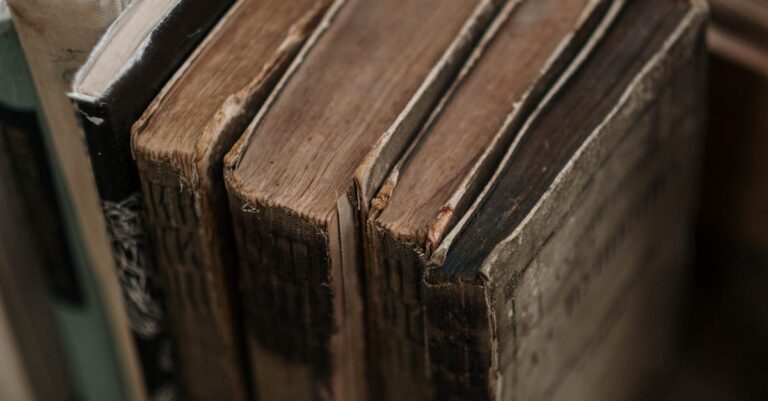
This Photo was taken by Edmond Dantès on Pexels.
About The Author


Wow, I totally get what you’re saying. It’s like the school board meetings have become this battleground where everything is so heated and emotional. Like, seriously, a single comment can make or break a book? That’s crazy! It’s