

In recent years, the public education system in counties like Flagler and Clay has been navigating a landscape of unwieldy events related to student behavior. The intersection of county, politics, and individual school administrations has brought this issue to the forefront, prompting discussions on how to address and mitigate disruptive behavior in educational settings.
The Importance of Addressing Student Behavior in Public Schools
Student behavior plays a crucial role in the overall learning environment of public schools. Disruptive behaviors not only interfere with the educational experience of well-behaved students but also place undue stress on educators and school administrators. Addressing and managing student behavior is pivotal in creating a safe, conducive learning environment for all students.
County Dynamics and the Influence of Politics
The dynamics of individual counties, such as Flagler and Clay, play a significant role in shaping the policies and approaches taken to address student behavior. Local politics and community values impact decision-making processes within the school system, leading to varying strategies to manage student conduct.
In Flagler County, recent debates on disciplining students have highlighted the importance of striking a balance between maintaining discipline and providing support for students who may be dealing with underlying issues. With a focus on restorative justice practices, Flagler County schools aim to address behavioral issues while also promoting empathy and understanding among students.
Clay County, on the other hand, has taken a more traditional approach to student discipline, emphasizing consequences for disruptive behavior. The county’s zero-tolerance policies have sparked conversations about equity and fairness in the disciplinary process, leading to calls for reforms that prioritize rehabilitation over punishment.
Navigating Complex Challenges
The complex challenges presented by student behavior in public schools require a multifaceted approach that considers the individual needs of students, the influence of county dynamics, and the role of politics in shaping policies. Collaboration between school administrators, educators, parents, and community stakeholders is essential in designing effective strategies to address disruptive behavior and create a positive school climate.
Moving Forward: Building a Culture of Respect and Responsibility
As Flagler and Clay Counties continue to navigate the complexities of student behavior in public schools, a collective effort is needed to promote a culture of respect and responsibility among students. By fostering positive relationships, providing support services for at-risk students, and implementing evidence-based interventions, schools can create an inclusive environment where every student has the opportunity to thrive.
In conclusion, the current events surrounding student behavior in Flagler and Clay County public schools underscore the need for thoughtful, collaborative approaches to address this issue. By recognizing the unique challenges posed by student behavior and working together to implement effective strategies, educators and administrators can create a safe and supportive learning environment for all students.

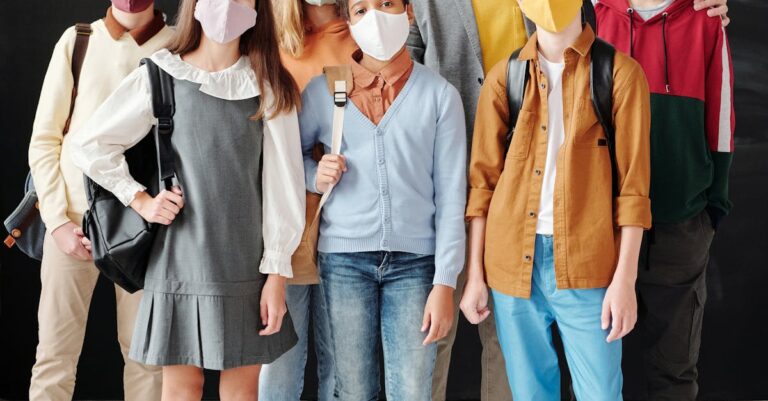
This Photo was taken by George Dolgikh on Pexels.
About The Author




why dosnt this blog talk about actual ways to help students instead of just talking about politiks and county dynamics? we need real solutions for dealing with bad behavior not just pretty words and politics. Maybe
I think it’s super important to talk about student behavior in schools, like in Flagler and Clay counties. You know, how students act can totally change the vibe of a school. It’s a big deal for both good students and teachers. It’s cool to see how different counties
wow this is really good to know like yeah they like really need to figure out how to make schools better for everyone like students and teachers and everybody in the clay and flagler counties i hope they