
In the ever-evolving landscape of education, the topic of school choice has emerged as a hot-button issue that ignites passions on both sides of the debate. From policymakers to parents, educators to students, the conversation around school choice is complex, multifaceted, and intensely divisive.
In the United States, the concept of school choice has been a focal point of educational reform efforts for decades. Advocates argue that allowing parents to select the best educational options for their children promotes competition, innovation, and personalized learning experiences. On the other hand, critics worry that school choice initiatives may exacerbate inequalities, drain resources from traditional public schools, and lack accountability measures.
Internationally, the discussion around school choice takes on a different hue, with countries like Sweden, the Netherlands, and Chile implementing varying degrees of choice-based educational systems. The experiences of these nations offer valuable insights into the potential benefits and drawbacks of school choice policies, shedding light on how different approaches impact student outcomes, equity, and societal well-being.
Amidst this global conversation, stories of individuals navigating the complexities of school choice provide a human touch to this often polarizing topic. From families grappling with the decision to enroll their children in a charter school or a traditional public school to educators innovating within the constraints of choice-based systems, these personal narratives underscore the real-world implications of policy decisions.
Moreover, the intersection of health and school choice has gained increasing attention in recent years. Research suggests that students’ access to quality education can have a profound impact on their physical and mental well-being, with disparities in educational opportunities contributing to health inequities. Understanding the links between education, health, and school choice is essential for crafting holistic policies that prioritize the needs of all students.
As we delve deeper into the complexities of school choice, it is crucial to approach this topic with open minds, critical thinking, and a commitment to seeking solutions that benefit students, families, and communities. By embracing diverse perspectives, engaging with evidence-based research, and centering stories of lived experiences, we can foster a more nuanced understanding of school choice and its implications for the future of education.
In an ever-changing world, the conversation around school choice remains dynamic, challenging, and ripe for transformation. Let us continue to explore, question, and innovate as we navigate the complexities of education in the 21st century.

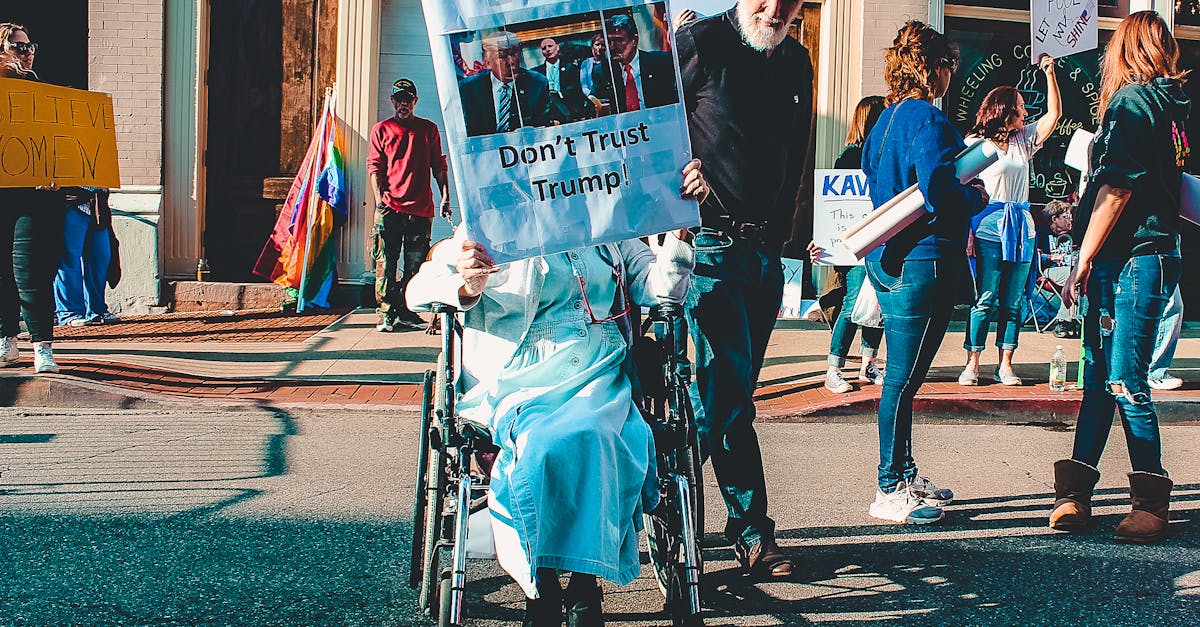
This Photo was taken by Rosemary Ketchum on Pexels.
About The Author