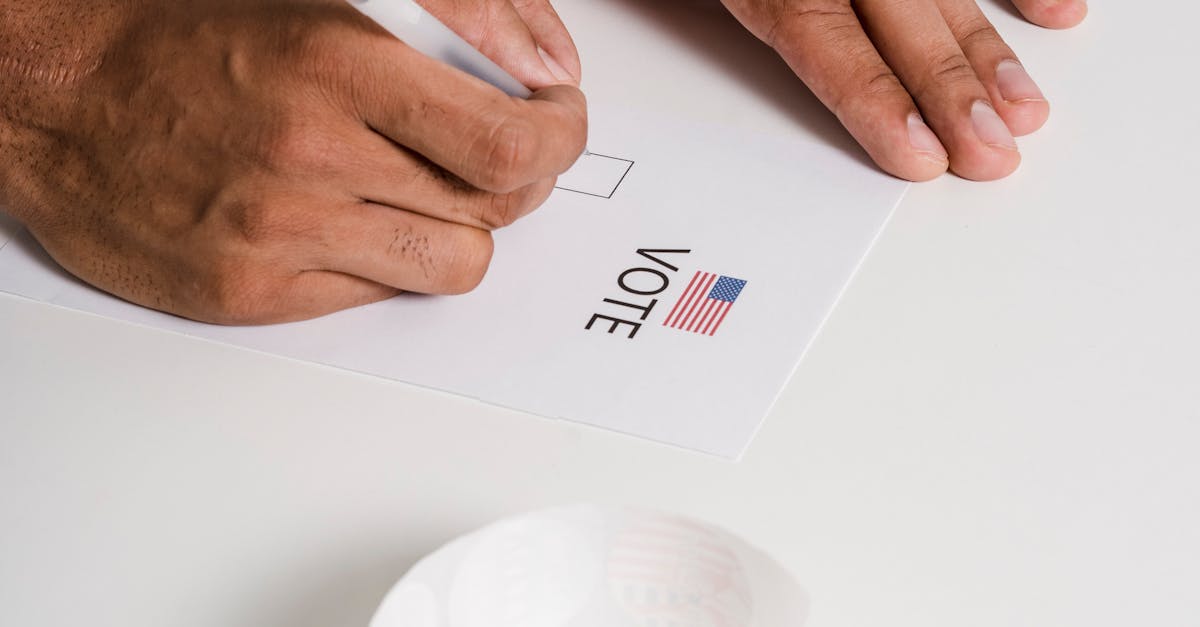
Elections Are Changing—And It’s Not Just About Who Wins
Something striking is happening in modern elections: voter technology and issue-focused campaigns are making it easier for people to participate—and harder for politics to stay stuck in noise. When systems work and candidates talk about real choices instead of culture-war fog, outcomes start reflecting voters’ lives rather than their rage.
That shift matters everywhere. But it’s especially clear in places where local politics meets intense national attention—like Duval County. And nowhere is that clearer than in the growing fight over book bans, where campaigns increasingly have to answer a blunt question: What kind of civic future do we want, and what role should public schools play in it?
From Lines to Votes: How Voter Technology Can Expand Trust
Democracy doesn’t collapse in a single dramatic moment. It erodes slowly—through confusing systems, long lines, slow updates, and lack of transparency. The best voter technology reforms chip away at all of that.
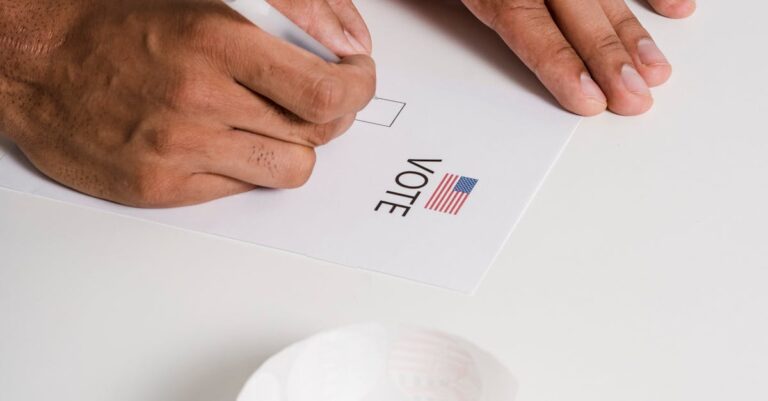
When counties modernize the basics, people notice. They experience voting as a process with fewer surprises and more clarity. In practice, “technology” doesn’t mean fancy gadgets—it usually means smarter, more reliable tools that reduce friction:
- Online voter registration and ballot status tracking
- Accessible early voting information
- Improved polling place logistics and real-time resource management
- Upgraded election administration systems that speed up results reporting
That’s not a partisan talking point. It’s a credibility issue. When voters can confirm details—like where to vote, what their ballot status is, and when results will be posted—trust rises. And trust is political oxygen.
“When voters can verify the process, they’re less vulnerable to misinformation—and more willing to show up again.”
Campaigns Are Moving From Slogans to Stakes—Especially at the Local Level
The other major change is cultural and strategic: campaigns are increasingly issue-focused, not just personality-driven.
Local races often hinge on practical decisions—budget priorities, school board governance, public safety planning, and community health. The more campaigns emphasize these specifics, the harder it becomes for abstract narratives to dominate.
In county-level politics, this matters even more. People are more likely to pay attention when the stakes are concrete and the solutions are explainable. Instead of broad promises, candidates can talk about:
- How schools are governed and funded
- What transparency looks like in curriculum and materials
- Whether policies are evidence-based or politically reactive
- How to protect student access to books and learning
In Duval County, that shift is particularly relevant as debates about book bans have become a defining political issue. Schools aren’t just institutions here—they’re community anchors, and disputes over reading materials quickly spill into broader questions about citizenship, learning, and who gets to decide.
Book Bans, Civic Values, and the Politics of Control
The politics around book bans can feel abstract until you zoom in on how policy actually works. Typically, these efforts involve challenges to books based on claims about age appropriateness, ideology, or “harm.” But the real political fight often centers on something deeper: who should control public knowledge.
Book bans are not merely administrative decisions. They’re a statement about what public institutions should prioritize. That’s why issue-focused campaigns are increasingly effective—they force candidates to defend their principles with specifics.
Key tensions voters are weighing include:
- Access vs. restriction: Should students be shielded from ideas, or taught to engage critically with them?
- Transparency vs. secrecy: Who gets to review materials, and are decisions explainable to families and educators?
- Rights vs. optics: Are changes driven by evidence and child development—or by headlines and pressure campaigns?
This is where issue-based campaigning becomes a hopeful counterweight. Voters can demand clarity rather than slogans. And when candidates respond with actual plans—process changes, review standards, appeals mechanisms, safeguards—elections become less about symbolic conflict and more about governance.
Duval County as a Test Case: What “Local” Looks Like When National Politics Lurks Nearby
Duval County sits at an intersection. National culture-war politics can flood local school debates, yet local voters still care about day-to-day realities: classroom quality, teacher support, student outcomes, and neighborhood stability.
The hopeful part is that local politics has room for nuance—and voters are increasingly asking for it.
When campaigns in and around Duval County emphasize:
- clear policy frameworks
- measurable commitments
- respectful engagement with parents, educators, and students
…elections start to function as they’re supposed to: a civic mechanism for setting priorities.
And technology helps too. When election administration is easier to navigate, voters are more likely to participate—meaning campaigns face accountability from real constituents, not just a loud subset of activists.
What This Means for a More Hopeful Political Future
Hopeful political change doesn’t usually arrive as a revolution. It arrives as a pattern: better voting access, better information, better debate, and fewer opportunities for fear to steer the process.
Voter technology can make participation more straightforward and more verifiable. Issue-focused campaigns can make governance more legible and more contestable. Put them together, and you get elections that reward problem-solving instead of performance.
Here’s the takeaway that matters most:
Democracy improves when people can vote easily and argue about real choices—especially when education and book access are on the line.
If Duval County and other counties keep building toward that model—where voters have tools to participate and candidates have reasons to explain themselves—then the future looks less like a fight over narratives and more like a practical competition over who can govern best.

This Photo was taken by Sora Shimazaki on Pexels.
About The Author