

The Spark of Civic Engagement in North Florida’s School Board Debates
School board debates in North Florida have become more than just a routine part of local elections—they’re charged arenas where community values, political ideologies, and educational futures collide. These discussions reveal the deep investment residents have in public schools, bringing passion and sometimes controversy to the forefront of local politics.
In recent years, these debates have driven voter turnout beyond typical school board election levels. A 2022 study by the Florida School Boards Association found that North Florida counties with more heated debates saw a 15% increase in voter participation compared to quieter districts. This surge reflects a growing awareness that decisions made in school board meetings affect everything from curriculum content to budget priorities.
Politics and Policy: More Than Just Educational Issues
The lines between education and politics blur sharply in many North Florida school board debates. Issues such as curriculum standards, mask mandates, and funding for charter schools no longer draw unanimous support but instead split communities along ideological lines. Candidates often bring divergent views influenced by broader national conversations around education policy.
For instance, discussions about teaching history and civics have become battlegrounds reflecting broader partisan divides. Some candidates advocate for an emphasis on traditional narratives and patriotic education, while others push for inclusive approaches addressing race, equity, and social justice.
“What happens in our school board meetings mirrors the larger political climate, but it also gives everyday residents an extraordinary opportunity to influence education at the grassroots level,” said Dr. Linda Harrell, a political science professor specializing in education governance.
Controversy as a Catalyst for Change
Controversy in school board debates is undeniably significant—and sometimes uncomfortable. Yet, it acts as a catalyst for community members to organize, demand transparency, and seek reforms. In cities like Jacksonville and Tallahassee, contentious debates over issues like school safety, teacher pay, and school closures have motivated parents and stakeholders to attend meetings, start petitions, and run for office themselves.
The presence of conflict ensures these boards are not simply rubber-stamp bodies but forums for substantive discussion—sometimes fractious, but ultimately necessary for democratic processes. The intense emotions expressed during these debates reveal how deeply personal education is for families and educators alike.
Data-Driven Voices Amid Passionate Arguments
Despite the often fiery nature of school board debates, many candidates and community members rely heavily on statistics and data to make their points. Enrollment trends, graduation rates, and budget allocations become essential tools to argue for or against policies.
In one recent North Florida debate, closing a struggling school was defended with statistics showing declining student numbers and rising maintenance costs. Opponents countered with data highlighting the potential negative impact on low-income communities and academic outcomes.
This interplay between numbers and emotions adds complexity to public discourse, demonstrating that passion for education is grounded in measurable realities as well as deeply held values.
The Road Ahead: Empowered Communities, Better Schools
School board debates in North Florida exemplify how local politics can ignite passion and drive meaningful change. These discussions elevate public awareness and compel elected officials to listen and respond authentically to their constituents’ needs.
As education continues to be a proxy for larger social issues, North Florida’s school boards will remain vital forums where communities clash, connect, and ultimately collaborate on the future of their schools.
Schools don’t just teach children; they teach us about civic engagement. When school board debates come alive, so does democracy.

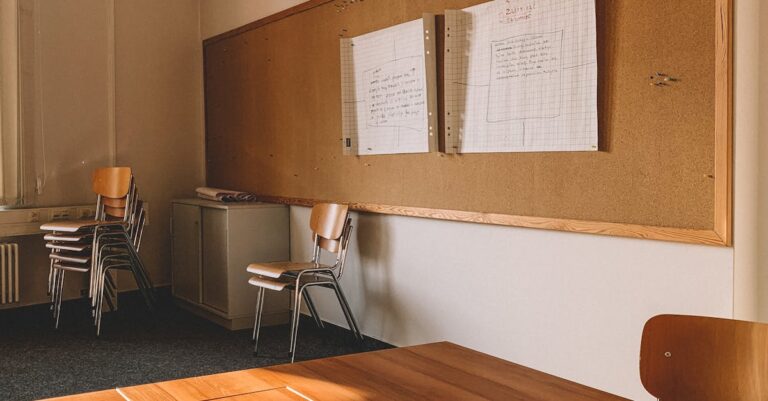
This Photo was taken by cottonbro studio on Pexels.
About The Author



Wow, this really hits home. I think sometimes people forget that school board debates are more than just politics — they’re about our kids’ futures and community values. But I also wonder if we’re really engaging in these conversations or just arguing past each other. It’s interesting how passionate folks get, but I hope it leads to meaningful change rather than just loud disagreements. Also, I