
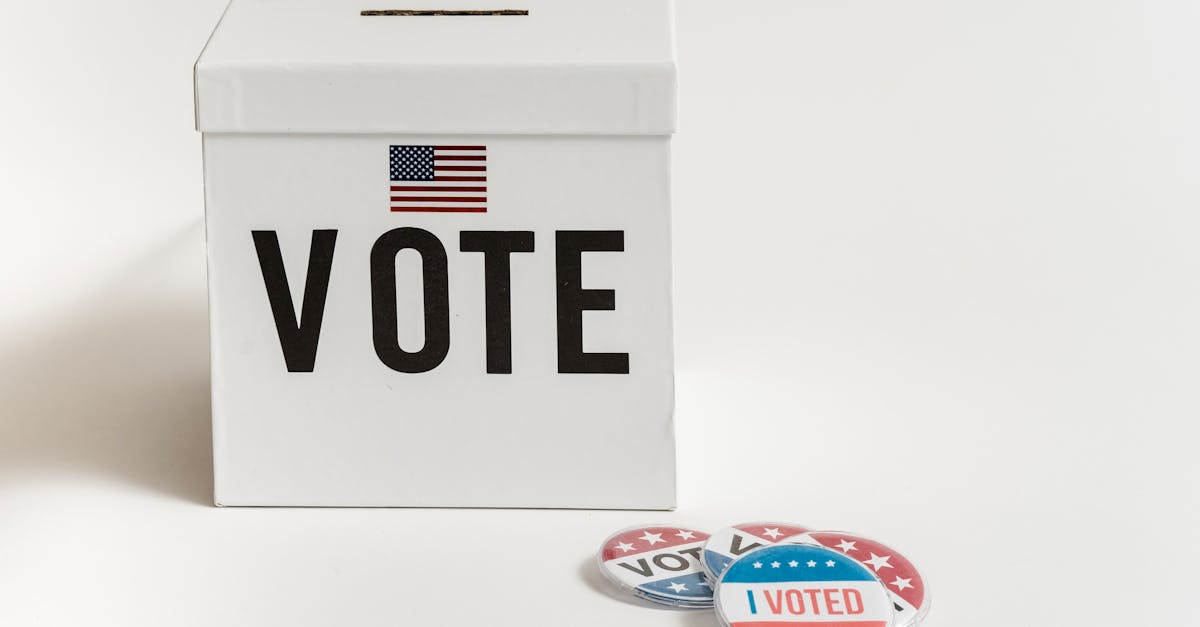
A single election night headline can now cascade into everything from new campaign scripts to school-board debates. That’s the punchy reality political strategists and organizers are grappling with as election storytelling evolves—especially in places where local conflict turns into national lessons. From AI-tailored messaging to community-led voting reforms, today’s campaigns are being reshaped by the kinds of ground-level stories that don’t just mobilize voters; they also redefine what candidates are willing to say out loud.
And nowhere is that more visible than in election narratives tied to protest movements, book bans, and the pushback that follows.
Protest as campaign fuel: when outrage becomes turnout
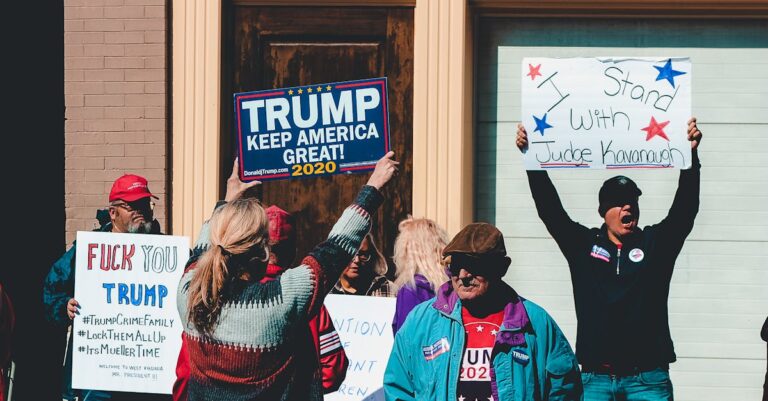
Political campaigns used to treat protest as background noise—something to manage, not something to learn from. That assumption is cracking. In many communities, protest is no longer a side story; it’s the organizing engine that determines how people show up, where they volunteer, and what issues they demand be answered on the record.
In North Florida, for example, election stories increasingly highlight the lived experience behind civic anger: students facing restrictions, parents fighting back, and local activists building coalitions that look less like traditional campaign structures and more like neighborhood networks. When protesters frame voting as a moral choice—rather than a bureaucratic step—the emotional narrative travels faster than any paid ad.
Campaigns are now responding in real time. Candidates who dismiss protest as “divisive” can quickly lose credibility to voters who see protest as a form of guardianship. Meanwhile, candidates who engage the underlying concerns—transparency, access to information, and community control over education—often find that voters translate those answers into trust.
The strategic takeaway is blunt: protest narratives aren’t just about opposition. They’re also about legitimacy. If you can’t explain what you’ll do about the problem protesters are naming, voters assume you won’t listen after election day.
AI-tailored messaging meets local reality
AI has made political messaging more precise, but precision doesn’t automatically mean understanding. Election storytelling is increasingly splitting into two tracks: one driven by algorithmic targeting, and another driven by community-authored narratives that don’t fit neatly into demographic buckets.
AI-tailored messaging can identify likely supporters and tailor messages down to the level of tone—more reassuring, more urgent, more patriotic, more skeptical. Yet when the election story revolves around book bans and education access, tone alone isn’t enough. Voters want specificity: what books, what policies, which committees, what safeguards, and what enforcement looks like in practice.
That’s why AI-driven campaigns are being forced to incorporate local reporting and community testimony into their strategies. Otherwise, their messages sound generic—like they were assembled without ever hearing the rooms where the arguments are actually happening.
In Nassau, for instance, the local texture of the conversation about books and school governance matters. The same issue won’t land the same way across every classroom or school board meeting, and voters can tell when a campaign is “playing the issue” rather than confronting it. AI can help campaigns find the right audience, but it can’t replace the credibility earned through consistent engagement.
So the best-performing campaigns are blending technologies with human storytelling. They use data to reach people and community sources to speak to them honestly. That combination is what makes election narratives feel less like marketing and more like accountability.
Book bans as a referendum on power
Book bans aren’t simply about reading material; they’re about governance and control. Election narratives that highlight book bans often frame the issue as a referendum on who gets to decide what children learn and how families participate in that decision-making process.
What makes these stories politically potent is their dual focus. One side presents bans as protection or moral clarity. The other side treats bans as censorship and a warning sign about broader restrictions. The result is that campaigns can’t reduce the issue to a single slogan without triggering backlash from voters who perceive that as evasion.
Protest movements around book bans often follow a familiar pattern: an initial policy action, a wave of public testimony, and then a shift from school meetings to community-wide political organizing. Once that shift happens, elections become the next battlefield—not just because people want to elect officials, but because they want a structure that can’t easily repeat the same decision in private.
The most compelling election stories are the ones that show this progression. They connect a ban in a school library to a meeting where residents demand due process. They connect a student’s question about what they’re allowed to read to a broader fight about transparency and rights. They show that voters aren’t arguing in the abstract; they’re arguing about daily access to information.
Community-led voting reforms: the story that builds capacity
Campaigns may be dominated by messaging, but election outcomes often hinge on turnout mechanics. Community-led voting reforms are becoming a major narrative centerpiece precisely because they shift attention from speeches to systems.
Instead of treating voting access as an afterthought, organizers are using election stories to explain the practical steps: how to register, how to request ballots, where to find reliable information, what barriers exist, and how communities can reduce confusion and intimidation.
In North Florida and across the region, these reform efforts often grow out of protest networks. People who show up when they’re angry also show up when they’re building. That’s where the storytelling becomes unusually persuasive: it doesn’t just argue that something is wrong; it maps out how to fix the process.
This is also where the influence of Nassau becomes important in the broader narrative. Local election reform stories tend to highlight the gap between state-level rhetoric and what people experience at the ground level. When community groups document problems and propose solutions—like improved voter education, clearer timelines, and better support for first-time voters—the election becomes less about partisan performance and more about service.
Candidates who understand this shift treat voting reform as a governance priority rather than a campaign tactic. They align their messaging with the reforms people are actually implementing. That alignment can reshape who they attract and how quickly they earn trust.
Why these election stories are “rewriting campaigns”
The phrase “rewriting campaigns” sounds dramatic, but the changes are concrete:
- Messaging moves from slogans to evidence
When book ban controversies and protest demands are part of the local narrative, voters expect specific commitments. Campaigns that rely purely on broad themes struggle to maintain credibility.
- Protest becomes part of the strategy equation
Instead of avoiding contentious issues, candidates are learning to engage with the reasons people are protesting—otherwise their attempts at outreach can read as dismissal.
- AI becomes a tool, not a storyteller
AI can help target and optimize messages. But in high-emotion, high-stakes local fights—especially those tied to school governance—credibility comes from human voices, firsthand reporting, and consistent engagement.
- Organizing shifts from digital attention to civic infrastructure
Community-led voting reforms turn online momentum into real-world action. That changes the timeline of campaigns: the question becomes not only “Who watched the ad?” but “Who got help to vote?”
- Local identity becomes political substance
North Florida and Nassau aren’t just locations in these narratives. They’re part of the argument. Voters see themselves reflected in stories that match their experiences, their institutions, and their daily stakes.
The optimism underneath the conflict
It’s easy to focus only on the anger in election storytelling around protest and book bans. But there’s also an optimism that comes from civic participation—messy, stubborn, and deeply human. The people driving these stories are not merely trying to win arguments. They’re trying to build guardrails: fair processes, accessible information, and community influence that doesn’t vanish after Election Day.
Campaigns that take these stories seriously don’t simply chase votes. They adapt to a new standard for legitimacy—one that demands responsiveness, transparency, and respect for the communities shaping the narrative.
That’s why election stories today matter more than ever. They don’t just reflect politics. They reorganize it. And in places like North Florida and Nassau, where protests and book bans collide with the mechanics of representation, those stories are rewriting what voters expect from everyone on the ballot.

This Photo was taken by Sora Shimazaki on Pexels.
About The Author



This is such a fascinating insight into the evolving landscape of election storytelling. It really underscores how deeply interconnected local issues are with national narratives, and how technology like AI is transforming campaign strategies. I think it’s especially important to recognize the power of ground-level stories—they have the potential to energize communities and bring about meaningful reforms