When Fringe Voices Drive Mainstream Voting Rights Narratives
In Clay County, North Florida, a political storm is quietly brewing. What began as peripheral grumblings from fringe activists has now seeped deeply into the broader conversation about voting rights—reshaping debates in ways few anticipated. While many view the voting rights discussion as centered on clear-cut policies and bipartisan compromise, fringe groups here are forcing a more contentious, polarizing narrative onto the local and state stages.
The Clay County Controversy: More Than Local Noise
Clay County might seem insignificant on a national map, but it’s become a battleground where voting rights tensions crystallize. Fringe activists—often dismissed as the loudest minority—have managed to sway public opinion and complicate efforts to create coherent voting policies. Their demands often include:
- Claims of widespread election fraud despite scant evidence
- Calls for restrictive voting measures under the guise of election integrity
- Vocal opposition to expansion of early voting or mail-in ballots
These voices have gained traction not because of broad public support but through strategic engagement with local government officials and media. This has amplified division within the community and complicated the task of lawmakers who seek straightforward election reforms.
North Florida as a Microcosm of a National Phenomenon
What plays out in Clay County isn’t isolated. North Florida reflects a larger national trend where fringe activists—both on the far right and left—are challenging the established norms of voting access. They weaponize misinformation and emotional appeals, making consensus nearly impossible. Politicians wary of backlash from these groups often veer away from moderate positions, pushing policies that either restrict or radically expand voting access depending on their alliances.
It’s a problematic landscape:
- Legitimate concerns about election security get co-opted by alarmist rhetoric.
- Efforts to promote inclusivity are painted as partisan overreach.
- Communities splinter, with voting becoming a tool of political theater rather than democratic practice.
Beyond the Fringe: What This Means for Voting Rights Debate
The influence of fringe activists is destabilizing conventional voting rights discourse. As these groups shape public attitudes and legislative agendas, important policy decisions risk being hijacked by ideology rather than evidence or equity. North Florida’s experience suggests several sobering realities:
- The perception of legitimacy in elections can be undermined by persistent conspiracy narratives.
- Electoral reforms may become hostage to factional interests rather than common good.
- The basic right to vote becomes a weaponized issue, fueling cultural divides instead of healing them.
“When fringe voices control the conversation, voting rights debates stop being about democracy and start being about winning—at any cost.”
The Road Ahead: Navigating a Fractured Dialogue
Addressing this challenge requires more than dismissing fringe activists as extremists. Lawmakers, media, and civic organizations in North Florida and beyond must engage with the root causes fueling these movements: distrust, misinformation, and political disenfranchisement. Only by fostering transparency and open, fact-based dialogues can the voting rights debate escape the shadow of fringe manipulations.
If Clay County’s controversy teaches us anything, it’s that the future of voting rights isn’t decided by mainstream politicians alone. It is increasingly shaped by those who demand the spotlight, no matter how divisive their message. Confronting this reality head-on is crucial for preserving democracy’s most fundamental right.

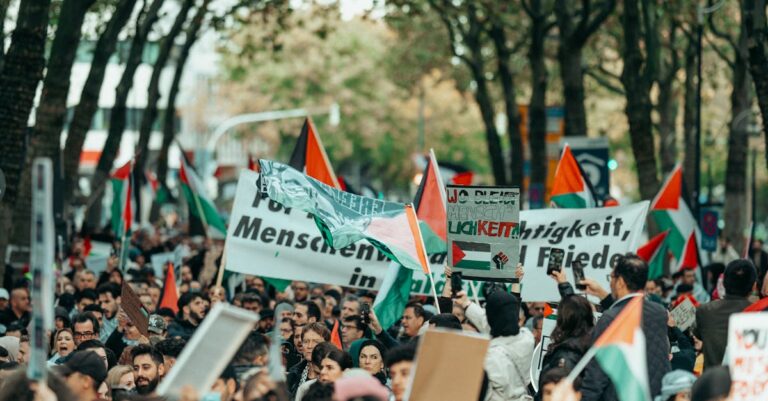
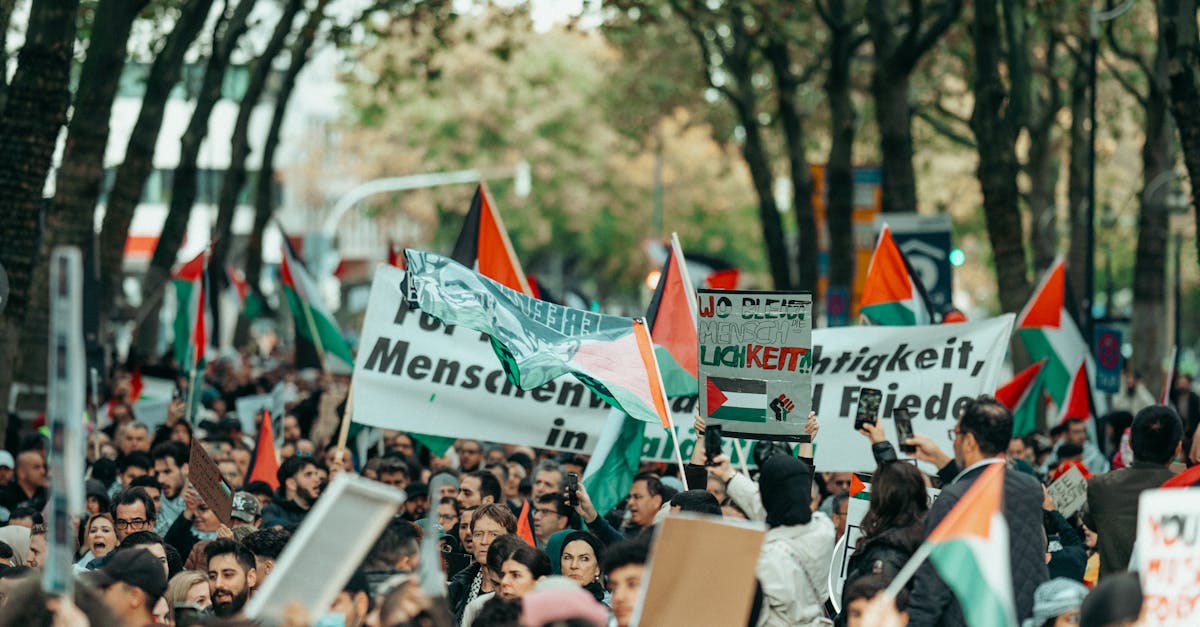
This Photo was taken by Omar Ramadan on Pexels.
About The Author