
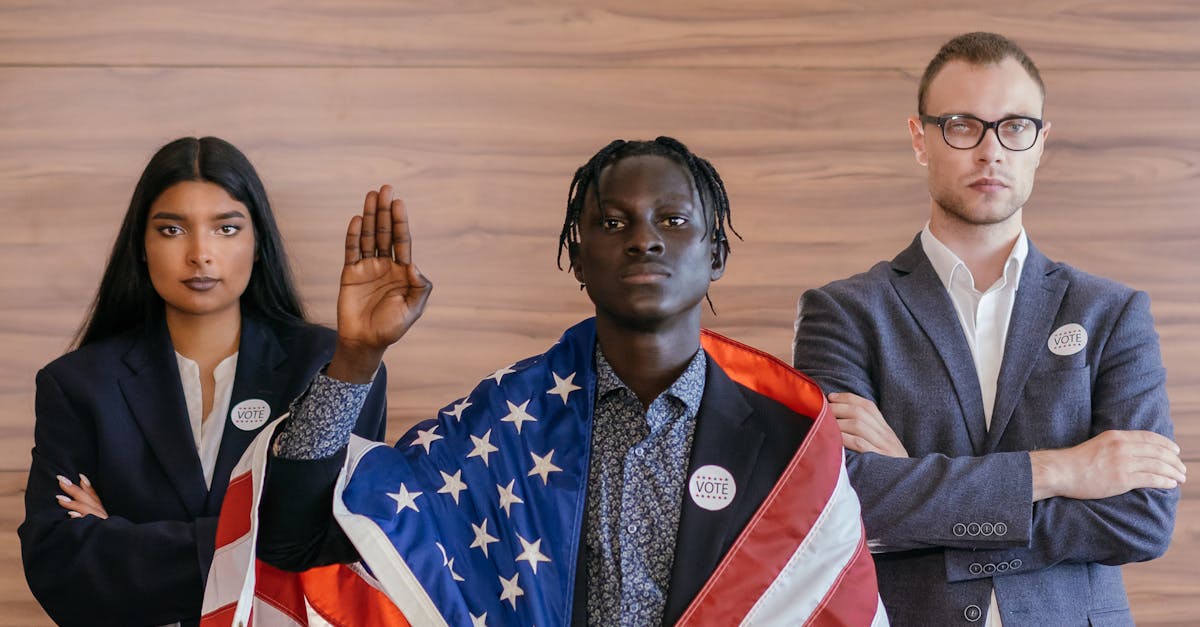
What better way to celebrate democracy than to hold debates that seemingly design new hurdles for the very people democracy is supposed to serve? Welcome to the grand spectacle of voter suppression, where creativity meets bureaucracy in county halls and local government offices — and nowhere is this more apparent than in Flagler County, the poster child for controversy.
The Artful Dodging of Voter Access
Flagler County recently made headlines not for lining up voter-friendly policies, but for rolling out a series of measures that critics say are nothing short of a masterclass in modern voter suppression. From reducing early voting locations to imposing cumbersome ID requirements, the county officials appear to be testing just how tangled they can make the voting process before citizens throw in the towel.
It’s almost as if the debates—ostensibly designed to engage and inform voters—are covertly functioning as a blueprint for making it harder to cast a ballot. Because if democracy depended on ease and accessibility, where would the fun be for those engineering these roadblocks?
Local Controversy or Tactical Innovation?
County-level decisions in places like Flagler provide fertile ground for controversy, often veiled under the benign title of “election integrity.” However, a closer look reveals these are less about safeguarding the vote and more about controlling who even gets to participate. The multiple debates held to discuss election rules often end with promises of transparency and fairness — words that ring hollow when accompanied by policies that disproportionately affect marginalized communities.
“It’s not about preventing fraud,” one local activist noted, “it’s about controlling the outcome.”
By sowing confusion and increasing barriers, local debates become less about voter education and more about voter limitation. The irony is palpable: forums meant to amplify voices often drown out the very people who might disagree with the prevailing power structure.
When Debate Becomes the Deliberate Strategy
What is truly fascinating is how these debates have morphed into platforms for legitimizing suppression under the guise of democratic discourse. Officials and pundits spar over seemingly technical issues like precinct closures or ID laws, while the real discussion — the democratic right of every citizen to vote freely — is sidelined.
Flagler County’s recent presentations on changes in polling locations shine a light on how debate formats can be weaponized. Not addressed: the long lines that result, the lost votes of elderly or disabled citizens, and the confusion sown among communities with limited access to transportation.
Democracy’s Greatest Irony: Debates Creating Barriers
It might seem counterintuitive, but these debates about voting rules could turn out to be one of the greatest ironies of modern democracy. Instead of empowering voters, they become platforms where individual rights are debated, questioned, and quietly diminished — all under the banner of fairness.
The next time a local election debate promises transparency and engagement, remember Flagler County. Because sometimes, nothing says “fair democracy” quite like debates designing the new age of voter suppression.

This Photo was taken by Mikhail Nilov on Pexels.
About The Author



Wow, this article really hits hard. It’s frustrating how sometimes it feels like democracy is being turned into a game where only some players get the rules to work in their favor. The part about Flagler County is a perfect example of how bureaucratic hurdles can really suppress voter turnout. It’s almost like they’re intentionally making it difficult for regular folks to have their