
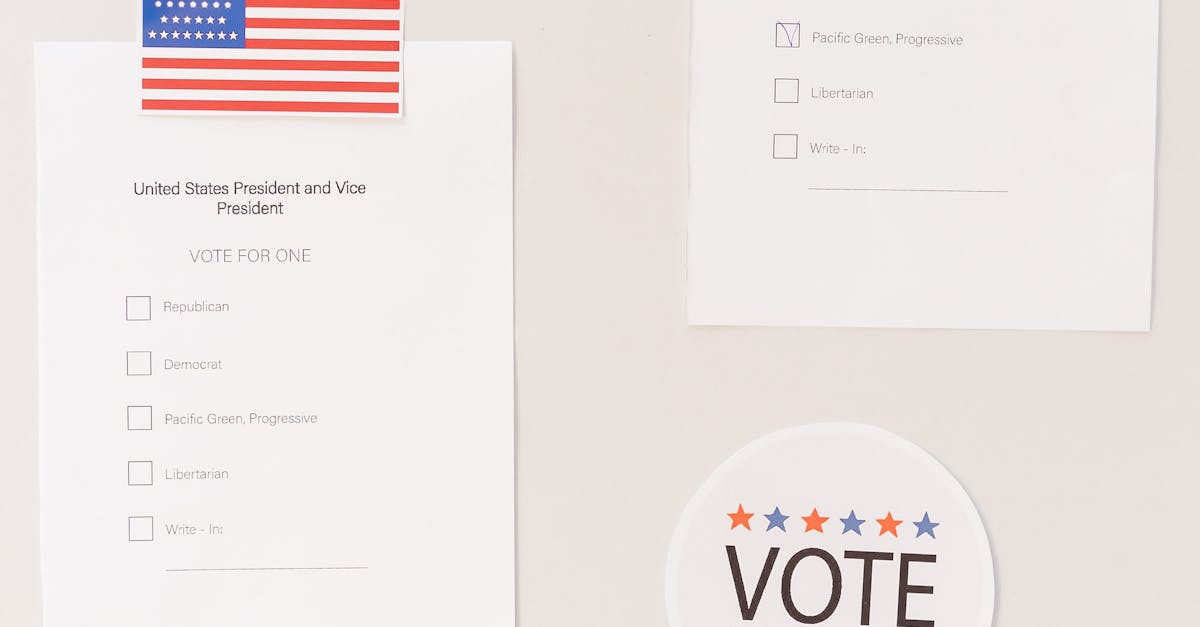
Voter suppression arguments have a way of turning into courtroom rhetoric—even when what voters actually need is honesty. The problem isn’t that we want to be persuasive. It’s that too many of us (including me, at times) get overconfident: we make sweeping claims, we treat complex local decisions like they’re automatic villains or automatic victims, and we forget that elections happen in real communities with real institutions—like schools—and real county-level politics.
This is an apology for the way I’ve framed certain discussions in the past. Not an apology for caring. An apology for sounding certain when certainty wasn’t earned.
Why my takes came out too hard—and why that matters
Let’s name the failure mode. In politics writing, it’s tempting to follow a familiar arc:
- identify a policy issue,
- connect it to a known pattern of voter suppression,
- conclude intent before the full evidence is on the table,
- move quickly to outrage.
That approach can be emotionally satisfying. It’s also how we end up talking past voters rather than to them.
Here’s the uncomfortable truth: many voters don’t experience election policy as a theory. They experience it through neighbors, schedules, school board meetings, commute times, and the way county services actually work. When we write as though every procedural change is self-evidently malicious, we make it harder—not easier—to build trust.
“Persuasion without humility becomes performance.”
I don’t want our coverage to be performance.
What “protest” changes—and what it can’t
Protest is necessary. It has historically expanded voting access, forced attention on obstruction, and created pressure when institutions ignore grievances. But protest also has limits: it can spotlight harm while still missing the nuance of how rules are implemented.
When we talk about voter suppression, we often focus on dramatic moments—laws, injunctions, emergency rulings, last-minute rule changes. Those can matter enormously. Still, there’s a second layer that deserves equal scrutiny: day-to-day barriers.
Sometimes the barrier isn’t a single headline policy. It’s the combined effect of:
- confusing signage and timelines,
- inconsistent staffing at local offices,
- mail and ID requirements that punish people without reliable transportation,
- reduction or restructuring of help at the community level,
- confusion that spreads faster than clarifying information.
The lesson isn’t “don’t protest.” The lesson is don’t reduce everything to one storyline. Protest should sharpen investigation, not replace it.
County realities: where voter access meets administrative power
The word county matters because elections are, in practice, local logistics. Even when state or federal decisions shape the rules, implementation often lives in county systems: voter registration processing, ballot management, polling location coordination, and public-facing communications.
It’s easy—especially from a distance—to assume that local officials are simply executing a national script. But county politics can be messier than that. There can be:
- genuine bureaucratic mistakes,
- underfunded election operations,
- administrative bottlenecks,
- partisan motivations,
- and sometimes combinations of all of the above.
If we’re serious about speaking honestly, we have to ask better questions. Instead of jumping straight to “suppression,” we should document what actually happened:
- Were deadlines changed and how clearly was that communicated?
- Did drop-off options shift, and what alternatives were offered?
- Did staffing changes coincide with increased voter demand?
- Were eligibility criteria applied consistently, or were there uneven interpretations?
None of this excuses bad faith. It does, however, make our claims sturdier.
Nassau and education: the overlooked link to civic participation
I keep coming back to Nassau and schools because civic culture is built where people gather and where young people learn how institutions work. When we discuss voter access only as an adult credential problem—ID, paperwork, registration—we miss the pipeline that forms democratic behavior long before Election Day.
Schools influence voting indirectly but powerfully:
- They shape civic education and public understanding of government.
- They determine the trust families place in public administration.
- They set norms about participation: whether politics feels like something that belongs to you or something done to you.
So here’s where I owe an apology to readers: I’ve sometimes treated election policy debates as if they float above the community. But voter suppression discourse lands differently when people feel their public institutions—especially schools—are being neglected, politicized, or undermined.
If you want voters to listen, you can’t pretend that administration and education are separate worlds. They aren’t.
Re-centering the argument: speaking to voters, not at them
So what does it mean to rethink our voter suppression arguments?
It means trading certainty for verification, and performance for connection. It means acknowledging that some claims will land as exaggerations even if they come from a real concern. It means building a framework that respects both facts and lived experience.
Here’s a more honest way to argue—one I’m committing to going forward:
- Separate impact from intent.
A policy can suppress votes in practice without proving a specific internal motive—while still being actionable and unacceptable.
- Use local evidence, not only national templates.
County processes and community conditions often explain outcomes better than generic assumptions.
- Talk about participation, not just restriction.
Link election access to schools, community trust, and real-life obstacles people face.
- Name uncertainty plainly.
If we don’t yet know how something was designed, say what we do know: what changed, who was affected, and what remains unclear.
- Keep protest anchored to follow-through.
Protests can demand accountability, but our reporting should also demand documentation.
“If our case depends on exaggeration, it’s not a case—it’s a pitch.”
That’s the standard I want to hold myself to.
Final note: accountability includes the messenger
This apology isn’t meant to weaken the fight against voter suppression. It’s meant to improve it. When we speak with overconfidence, we risk alienating the very people we’re trying to protect—people who already have reasons to distrust political messaging, especially when they feel their community institutions, from county services to schools, aren’t being treated with seriousness.
If we want voters to take suppression claims seriously, we have to earn credibility: by being precise, by being humble, and by treating local realities in places like Nassau and across the county landscape as more than background scenery.
I can’t undo the tone of past arguments. But I can change the way I make them—and I hope this piece does the same for you.

This Photo was taken by Mikhail Nilov on Pexels.
About The Author






This is an insightful observation. Sometimes in the fight for voting rights, we get caught up in rhetoric that oversimplifies complex issues. It’s true that genuine understanding and honest dialogue are more effective than sweeping claims or overly emotional arguments. Local communities
Wow, this really hits home. Sometimes I think we get caught up in the political rhetoric and forget that behind every election there are real communities, with their own stories and challenges. It’s so important to remember that these issues aren’t just black and white. Honesty and understanding go a long way in making voting meaningful. Thanks for sharing this thoughtful perspective.