

In recent months, the debate over public schools and the allocation of tax dollars has reached a fever pitch across the United States. As school boards grapple with budgetary constraints, curriculum decisions, and the ever-evolving landscape of education in a globalized world, tensions have mounted in communities from coast to coast.
The clash between proponents of traditional educational practices and those advocating for innovative approaches has come to a head in school board meetings nationwide. At the heart of these arguments lie crucial questions about the future of public education, the role of tax dollars in funding schools, and the impact of these decisions on students in an increasingly interconnected world.
One of the primary points of contention is the issue of international education. As globalization continues to shape the workforce of the future, many educators and parents are calling for a more comprehensive approach to teaching students about the world beyond America’s borders. However, traditionalists argue that a focus on international education detracts from teaching core American values and history.
At the core of these debates is the question of how tax dollars should be allocated within the education system. With limited resources and competing priorities, school boards are faced with tough decisions about where to invest taxpayer funds. Should schools prioritize updating technology, improving facilities, or expanding international programs? These are the questions that often spark heated arguments and impassioned pleas from all sides.
Moreover, the stakes are high for students whose futures hang in the balance. A quality education is often seen as a ticket to success in America, and the decisions made by school boards can have profound effects on the opportunities available to young people. As the world becomes increasingly interconnected, the need for a well-rounded education that prepares students for an ever-changing global landscape has never been more pressing.
In the coming months, as school boards continue to debate these critical issues, it is clear that the future of public education in America hangs in the balance. Whether schools will embrace international education, how tax dollars will be allocated, and what the ultimate impact will be on students remain to be seen. One thing is certain: the battle for public schools is far from over, and the decisions made today will reverberate for generations to come.

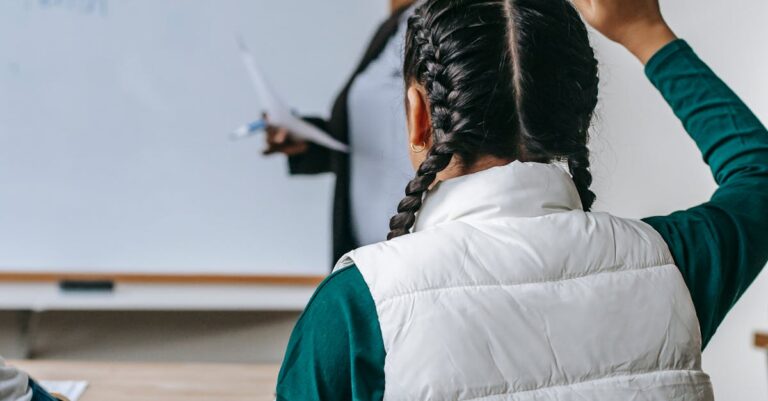
This Photo was taken by Katerina Holmes on Pexels.
About The Author





Oh joy, another riveting debate over school budgets! Can’t wait to see parents duking it out over whether to spend more on math textbooks or arts programs. I’m sure that’ll solve all the world’s problems! Maybe they should just flip a coin and call it a day. Who needs reasoned arguments when you have good old-fashioned yelling matches, am I right?
Oh man, it’s just really tough to see how divided we’ve become over something as important as education, y’know? We should all be in this together, trying to give our kids the best shot at a bright future. But instead, we’re arguing and fighting over budgets and curriculum like it’s a zero-sum game