

In the realm of public education, parents play a crucial role in supporting their children’s academic journey. However, what happens when parental involvement takes a negative turn, causing disruptions and controversies within the school community? From debates over dress codes to contentious book bans, navigating the challenges posed by unwelcome parents is a delicate balance that public schools must tackle to ensure student performance remains paramount.
In recent years, public schools across the country have faced an increasing number of challenges from parents who push back against school policies, creating friction in the educational environment. When it comes to student performance, these controversies can have a significant impact, both academically and emotionally.
One common source of conflict arises from disagreements over dress codes. While dress codes are designed to create a safe and focused learning environment, some parents may challenge these rules, arguing that they restrict students’ self-expression. This tension can divert attention away from academic pursuits and instead lead to debates that disrupt the educational process.
Similarly, the issue of book bans can also spark controversy within public schools. Parents may object to certain books being included in the curriculum or school library, citing concerns over sensitive content or differing ideological viewpoints. These disputes can escalate into larger debates over censorship, potentially limiting students’ exposure to diverse perspectives and hindering their ability to think critically and engage with complex ideas.
County-level policies and regulations can further complicate matters when unwelcome parents clash with school administrations. Disagreements over governance, funding, or administrative decisions can divert attention and resources away from supporting student success, creating a challenging environment for educators and learners alike.
In navigating these controversies, public schools must strike a delicate balance between respecting parental concerns and upholding the educational mission. Encouraging open communication, fostering mutual understanding, and seeking common ground can help address conflicts constructively and prioritize student performance above all else.
Ultimately, unwelcome parents can present significant challenges for public schools seeking to uphold high standards of academic achievement and provide a positive learning environment for all students. By addressing controversies surrounding dress codes, book bans, county governance, and other contentious issues head-on, schools can promote a culture of collaboration and support that ultimately benefits student success.
In conclusion, while conflicts with unwelcome parents may arise, public schools must remain steadfast in their commitment to fostering student performance and prioritizing the educational needs of all learners. By navigating controversies with professionalism, empathy, and a focus on academic excellence, schools can weather these challenges and continue to provide a quality education for all students.

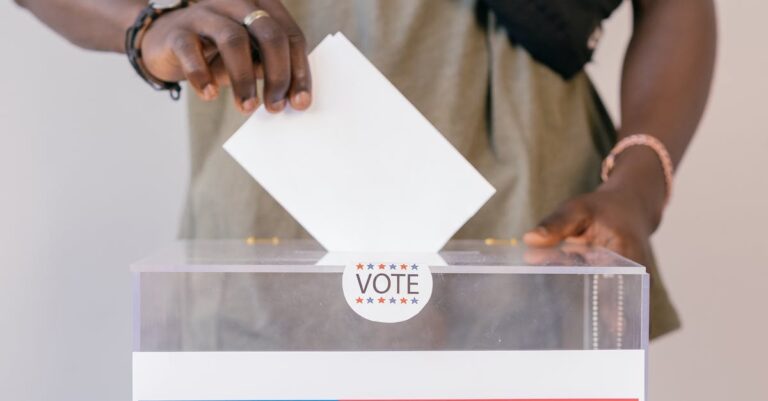
This Photo was taken by cottonbro studio on Pexels.
About The Author




Parental involvement in public education is so important, but sometimes it can go sideways, ya know? If parents start causing drama over things like dress codes or book bans, it