

In Nassau County, the battleground over book bans in schools has reached a fever pitch, igniting a fierce debate that goes beyond the confines of educational policy and delves deep into the heart of political discourse. As policymakers clash with educators and parents over which books should be allowed in the curriculum, a monumental struggle for the control of knowledge is unfolding before our eyes.
The Trend of Book Bans: A Growing Concern
The controversial practice of banning books in schools is not a new phenomenon, but its recent resurgence has raised significant alarm among those who value intellectual freedom and diversity of thought. In Nassau County, like in many parts of the country, certain groups have increasingly pushed for the removal of books they deem inappropriate or offensive from school libraries and reading lists.
This trend poses a grave threat to the integrity of education and the principles of academic freedom. By restricting access to certain materials based on subjective viewpoints or ideological agendas, book bans not only stifle intellectual curiosity but also undermine the very essence of democratic society.
Political Contention and the Power of Protest
The issue of book bans has transcended the realm of education and seeped into the heart of political discourse. Politicians and advocacy groups have seized upon this divisive issue to rally their supporters and advance their respective agendas. Voices on both sides of the debate have grown increasingly vocal, turning what was once a local concern into a national flashpoint.
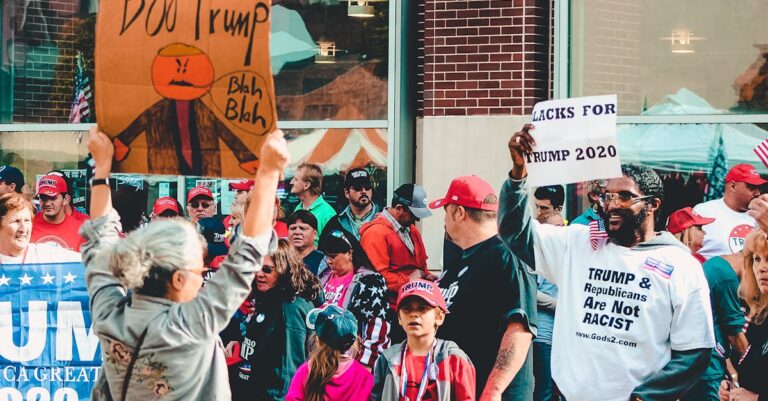
In Nassau County, as in many other areas grappling with book bans, protests have erupted outside school board meetings and public libraries, with citizens standing up to defend their right to access a diverse range of ideas and perspectives. The power of protest, emblematic of a healthy democracy, is on full display as individuals come together to push back against censorship and authoritarian overreach.
The Role of Schools in Shaping Minds
At the center of the debate over book bans lies the fundamental question of what role schools should play in shaping the minds of the next generation. Should educators expose students to a wide array of viewpoints, even those that some may find uncomfortable or challenging? Or should certain ideas be shielded from young minds in the name of protection or moral values?
The answer to this question is far from simple and defies easy categorization. However, one thing remains clear: schools have a responsibility to foster critical thinking, intellectual curiosity, and a respect for differing opinions. By censoring books and limiting access to diverse perspectives, we risk depriving students of the tools they need to navigate an increasingly complex and interconnected world.
Moving Forward: A Call to Action
As the battle over book bans rages on in Nassau County and beyond, it is incumbent upon all individuals who value knowledge, freedom, and democracy to rise up and speak out against censorship. We must demand that our schools remain bastions of open inquiry and intellectual exploration, free from the shackles of ideological conformity and narrow-mindedness.
In the face of unprecedented health, we have a choice: to stand idly by as our freedoms erode, or to take a stand for the principles that define us as a society. Let us choose the latter, let us raise our voices in unison, and let us forge a path forward that honors the sanctity of knowledge and the power of education. The future of our children, our democracy, and our collective humanity depends on it.

This Photo was taken by Edmond Dantès on Pexels.
About The Author




Ya know, all this talk about book bans has got me thinking – if they start banning books, what’s next? Banning dictionaries ’cause they got too many words? It’s like, come on, let the kids read and learn stuff, ya know? Knowledge
The issue of book bans in Nassau County is a reflection of a broader societal struggle for intellectual freedom and diversity of thought. It is essential to protect the integrity of education by fostering critical thinking and a respect for differing opinions. The power of protest in defending access to a diverse range of ideas
lol so like banning books is like saying we ain’t smart enough to handle different opinions and ideas? like come on people, let