In recent years, the issue of book bans in educational institutions has ignited contentious debates across the United States. Among the epicenters of this heated discussion is Flagler County, where local politics and education collide in a battle over the right to decide what young minds are exposed to. As censorship attempts to creep into school curricula under the guise of protecting children, the fundamental values of education and freedom of expression are put under threat.
Flagler County, a scenic area in Florida known for its pristine beaches and tight-knit community, has found itself embroiled in a controversy that transcends its idyllic facade. At the heart of the storm lie attempts to ban books deemed controversial or inappropriate by a vocal minority, triggering a wave of resistance from educators, students, and advocates of intellectual freedom.
Local politics, often reflective of broader societal tensions, have played a significant role in shaping the discourse surrounding book bans in Flagler County schools. With school board members and community leaders at odds over what constitutes acceptable content for young readers, the very essence of education as a tool for critical thinking and exploration is called into question. By allowing personal beliefs and agendas to dictate the literary diet of students, the integrity of the educational system is compromised.
The specter of censorship looming over Flagler County schools not only stifles intellectual growth but also raises concerns about the erosion of democratic values. In a diverse society where differing viewpoints coexist, exposure to a range of ideas – even those that may be uncomfortable or controversial – is essential for fostering tolerance, empathy, and informed citizenship. By succumbing to the pressures of book bans, Flagler risks breeding a culture of ignorance and narrow-mindedness among its youth.
As the battle over book bans rages on in Flagler County and beyond, it is imperative for stakeholders to consider the implications of their actions beyond mere protectionism. While the intention to shield students from perceived harm may be well-meaning, the suppression of challenging ideas and provocative narratives ultimately does a disservice to the very individuals it seeks to protect. Education, at its core, is about equipping students with the skills to navigate a complex world, not shielding them from it.
In the face of unsettling debates about book bans, Flagler County stands at a crossroads where the principles of education, democracy, and freedom intersect. The outcome of this struggle will not only shape the literary landscape of schools but also determine the intellectual legacy passed down to future generations. As the community grapples with competing interests and values, one thing remains clear – the right to learn, to question, and to explore should never be compromised in the name of censorship.

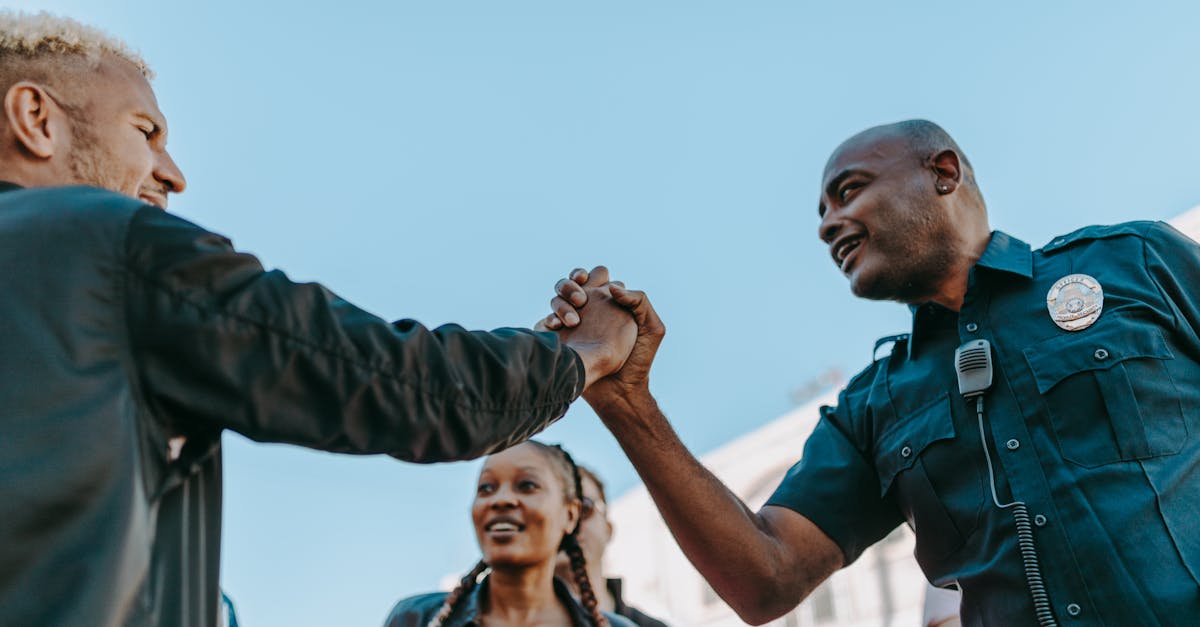
This Photo was taken by RDNE Stock project on Pexels.
About The Author


LOL, book bans in Flagler County? What’s next, banning the dictionary for having too many
Yo, this whole book banning thing in Flagler County is wild, man. Like, why you tryna control what kids read, you know? They gotta learn and explore different ideas to grow and
Wow, all this drama over books in Flagler County! Can’t they just settle it with a good old-fashioned book club meeting on the beach? Maybe some sunscreen and a copy of “To Kill a Mockingbird” will solve everything! 🏖📚
LOL, so they wanna ban books in Flagler County now? What’s next, banning beach days and sunshine? Can’t be having those controversial rays of light, right? But seriously, let the kids read and learn – knowledge is power, people! 💪📚 #BooksNotBans #SunshineNotCensor
yeah i think people should be able to read whatevr they want. book bans are bad cuz they stop us from learning and thinking. we need to be open to ideas even if they make us uncomfartable. freedom and education are important. let the kids decide what they want to read. no to censorship!